5 Vagus Nerve Exercises to Instantly Calm Your Nervous System
Meta Description: Discover 5 powerful vagus nerve exercises from UVA Health experts that activate your body's natural relaxation response. Use these techniques for instant stress relief and anxiety management.
The Power of the Vagus Nerve
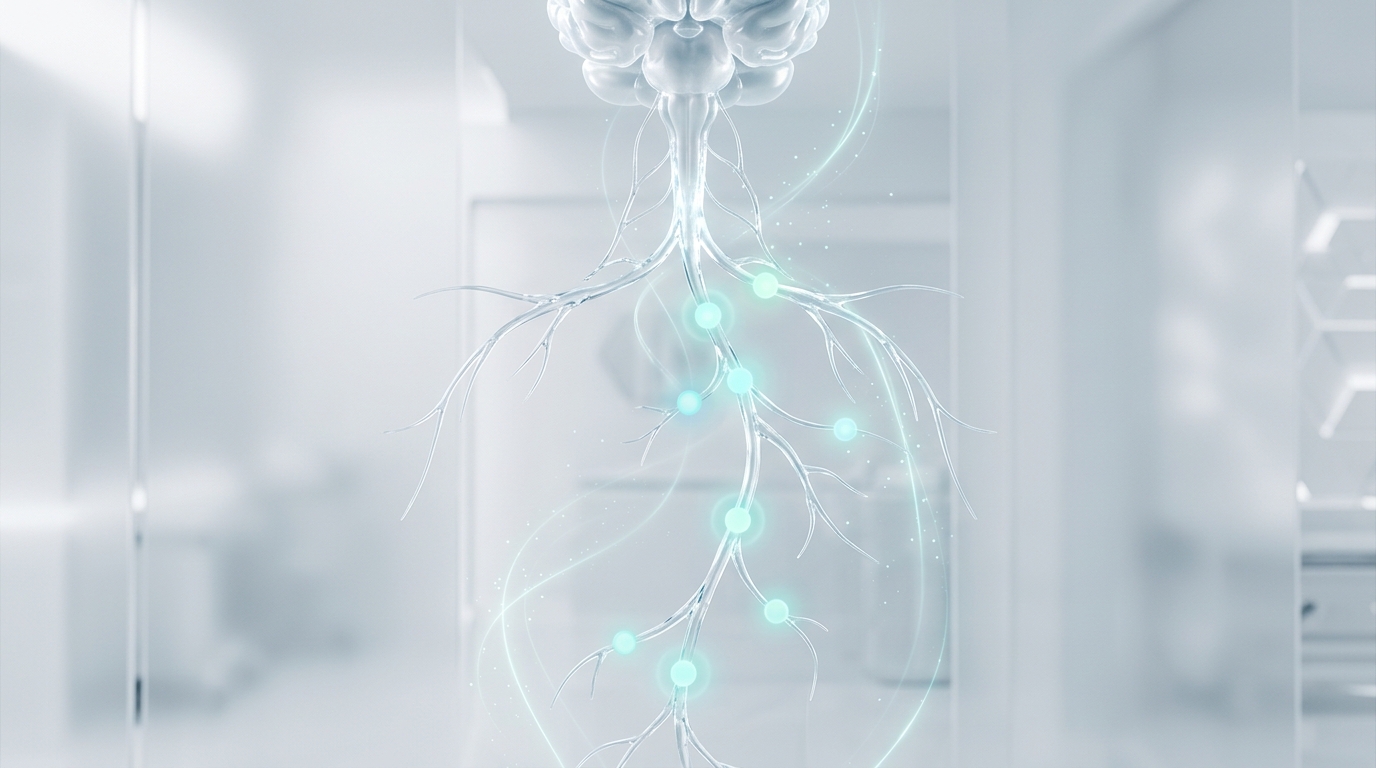
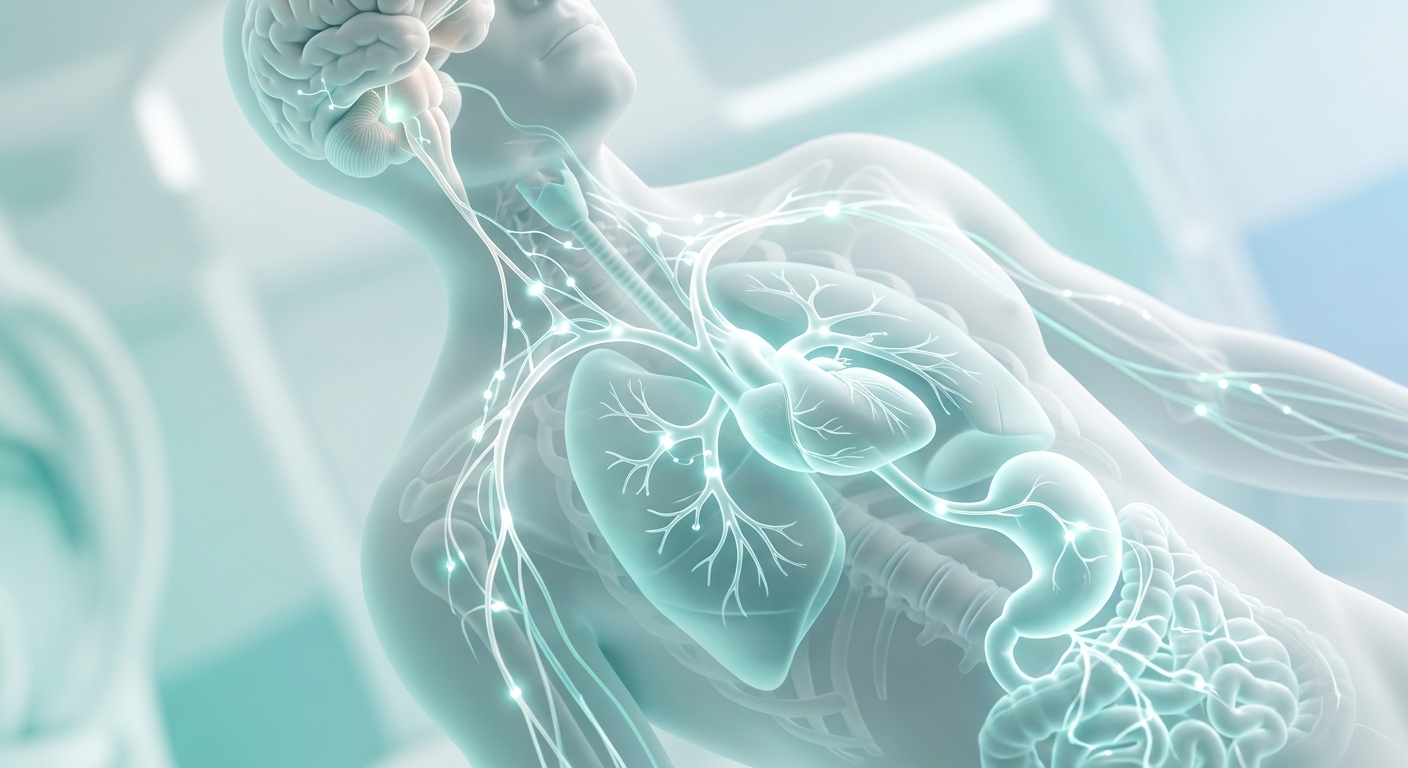
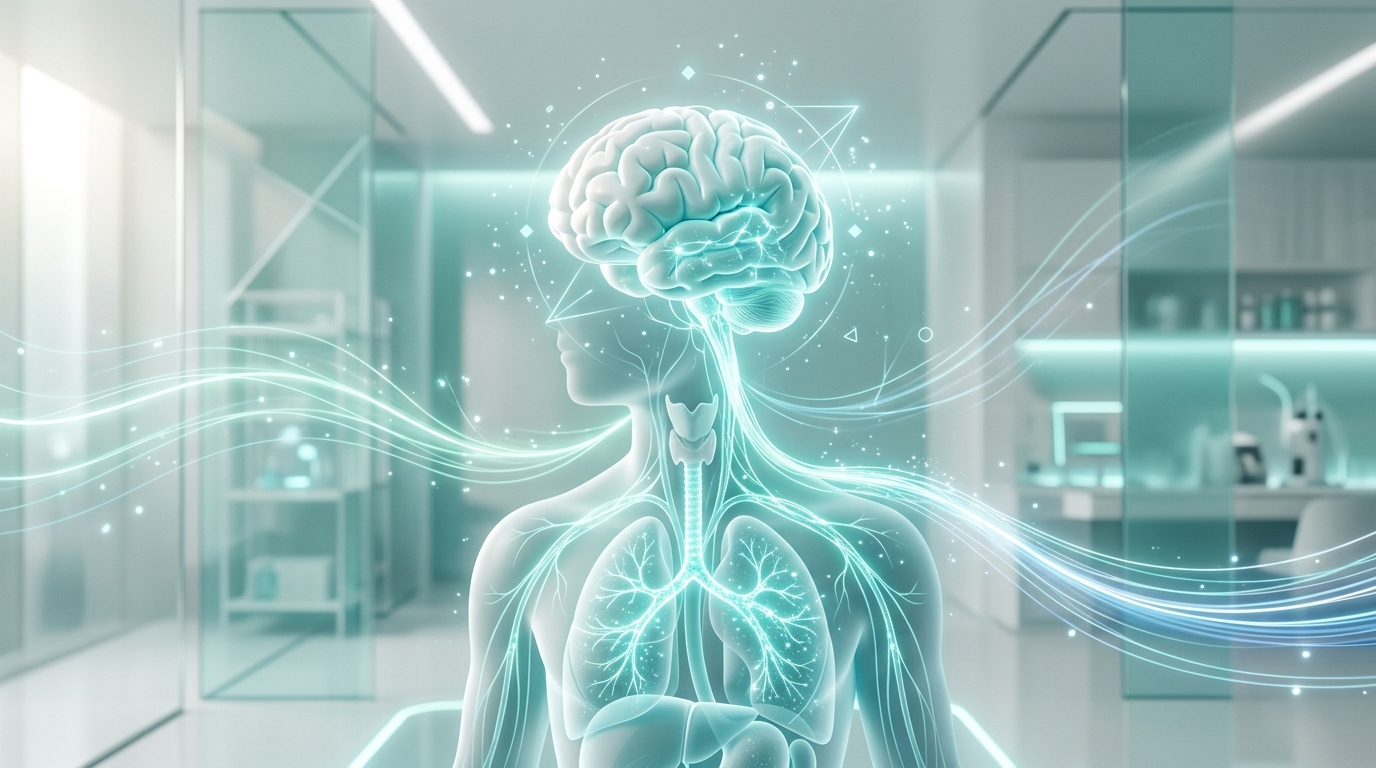
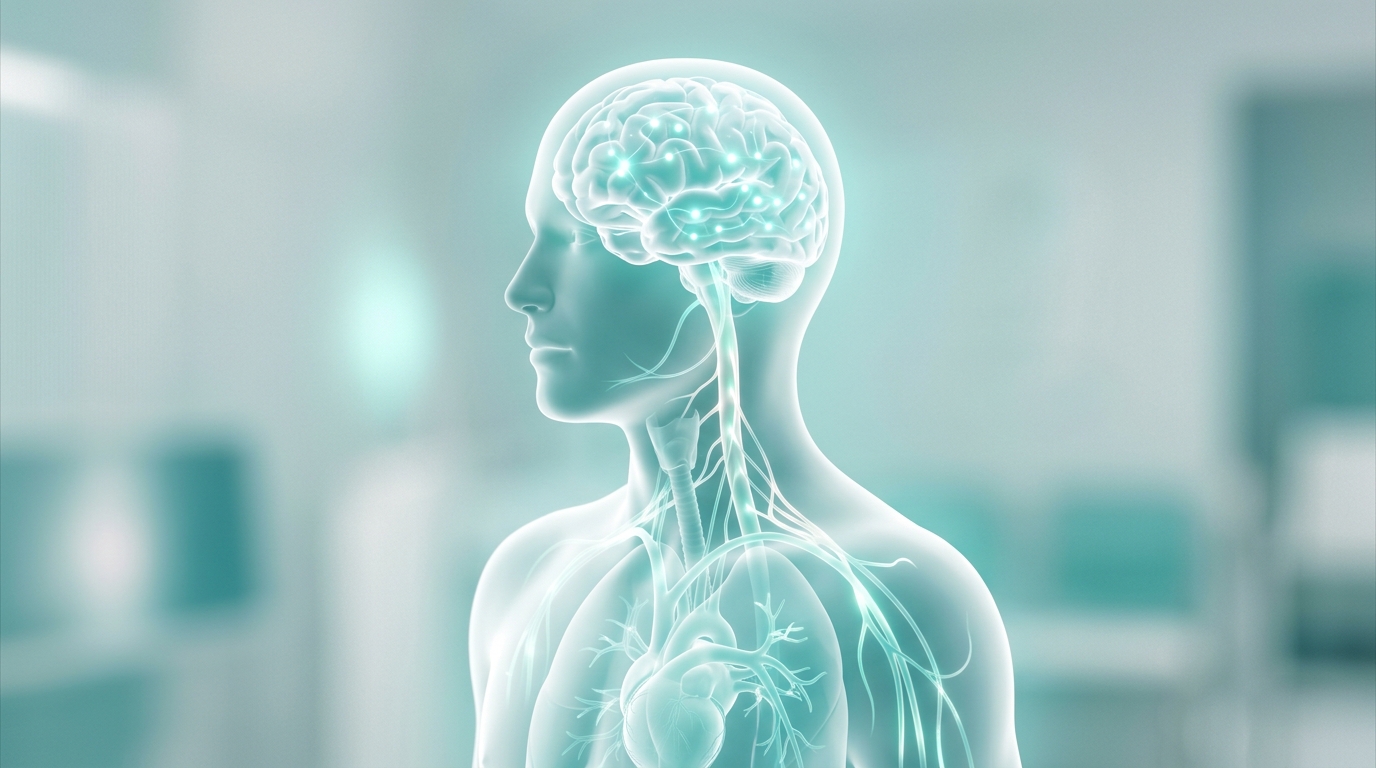
When anxiety spikes or stress overwhelms you, your body needs a fast-acting solution. That's where your vagus nerve comes in. This remarkable nerve runs from your brain through your face and throat down to your abdomen, controlling your body's relaxation response.
The vagus nerve acts as the brake pedal on your nervous system. When activated, it slows your racing heart, deepens your breathing, and sends calming signals throughout your body. Best of all? You can trigger this response intentionally using specific exercises.
Researchers at the University of Virginia Health System have identified five particularly effective techniques for activating the vagus nerve. Practice them regularly, and you'll build a toolkit for instant calm that's always available.
1. The Physiological Sigh
The physiological sigh is a breathing pattern discovered by scientists studying how humans naturally release stress. It's so effective that you'll notice results within seconds.
How It Works
When you're stressed, tiny air sacs in your lungs collapse, reducing oxygen exchange. A double inhale followed by an extended exhale re-inflates these sacs and activates the vagus nerve through pressure changes in the chest and diaphragm.
The Technique
- Take a normal breath in through your nose
- Without exhaling, take a second, deeper breath in—filling your lungs completely
- Exhale slowly and fully through your mouth for 6-8 seconds
- Repeat 1-3 times
When to use: Before stressful meetings, during panic attacks, when you can't fall asleep, or anytime you feel overwhelmed
Why it works: The double inhale maximizes lung inflation. The slow exhale activates the vagus nerve, which controls the parasympathetic "rest and digest" response. Studies show just 1-3 physiological sighs significantly reduce physiological stress markers.
2. The Valsalva Maneuver
This technique, used by fighter pilots and free divers, activates the vagus nerve through controlled pressure changes.
How It Works
By gently bearing down while holding your breath, you create pressure changes that stimulate the vagus nerve as it passes through your chest. This triggers an immediate slowing of heart rate.
The Technique
- Take a deep breath and hold it
- Close your mouth and pinch your nose
- Gently bear down as if having a bowel movement (about 15-20% of maximum effort)
- Hold for 10-15 seconds
- Release and breathe normally
- Repeat up to 3 times
When to use: To stop a racing heart, during moments of acute anxiety, or when you feel physically revved up
Why it works: The pressure change triggers the baroreceptor reflex, causing the vagus nerve to slow heart rate. This is the same reflex that makes you feel lightheaded when straining.
Caution: Don't use full force—gentle pressure is sufficient. Stop if you feel dizzy or unwell.
3. Vocal Vibration Techniques
The vagus nerve has branches in your throat and inner ear. Creating vibration in these areas stimulates the nerve directly.
How It Works
Vocalization creates mechanical vibrations that travel through the throat, activating vagus nerve branches. The inner ear connection means even the sound of your own voice can stimulate the nerve.
The Techniques
Humming
- Close your eyes and take a few deep breaths
- Choose a comfortable note (no need to be musical)
- Inhale, then hum on the exhale for as long as comfortable
- Feel the vibration in your throat, chest, and face
- Continue for 2-5 minutes
Voo Breathing
- Inhale deeply through your nose
- On the exhale, make a "voo" sound (like "voo" in "voodoo")
- Sustain the sound as long as possible, feeling vibration in your throat
- Repeat 5-10 times
Gargling
- Take a mouthful of warm water
- Gargle vigorously for 30-60 seconds
- The throat muscle activation stimulates vagus nerve branches
When to use: During anxious moments, before bed, or as a daily maintenance practice
Why it works: The vibrations activate mechanoreceptors connected to the vagus nerve. Research shows chanting and humming increase heart rate variability—a marker of vagal tone.
4. Cold Water Face Immersion
This technique triggers a powerful biological reflex that instantly calms your nervous system.
How It Works
Cold water on your face activates the mammalian dive reflex—an ancient survival mechanism that slows heart rate and conserves oxygen. This reflex is mediated almost entirely by the vagus nerve.
The Technique
- Fill a sink, bowl, or bathtub with cold water (add ice for stronger effect)
- Take a deep breath and hold it
- Immerse your face in the water for 15-30 seconds
- Come up for air, then repeat if desired
- You can also splash cold water on your face 10-15 times
When to use: During panic attacks, extreme stress, when feeling emotionally overwhelmed, or for morning energy regulation
Why it works: Cold receptors in your face trigger the dive reflex, which immediately slows heart rate and activates the parasympathetic nervous system. Studies show this can reduce anxiety symptoms within 30 seconds.
Tip: If full immersion feels too intense, start with cold water splashes on your face and work up to immersion.
5. Laughter and Social Connection
Never underestimate the power of a good laugh—neuroscience backs up this ancient wisdom.
How It Works
Laughter creates a unique combination of deep breathing, vocalization, and positive emotion—all of which stimulate the vagus nerve. Social connection amplifies these effects through the vagus nerve's social engagement system.
The Techniques
Intentional Laughter
- Set a timer for 2-3 minutes
- Even if you don't feel like it, start laughing—fake it until it becomes real
- Use "ha ha ha" or "ho ho ho" sounds
- Notice how your mood shifts even if you started faking
Laughter Yoga
- Combine laughter with breathing exercises
- Inhale deeply, then laugh on the exhale
- Clap your hands while saying "ho ho, ha ha ha"
- Find a laughter yoga group for amplified effects
Social Connection
- Call a friend who makes you laugh
- Watch a funny video or comedy special
- Share funny stories with family
- Remember: social laughter is more effective than laughing alone
When to use: Daily for maintenance, during stressful periods, when feeling down or isolated
Why it works: Laughter increases heart rate variability and reduces cortisol. The social component activates the ventral vagal complex—the branch of the vagus nerve associated with safety and connection.
Building Your Personal Calming Protocol
Everyone responds differently to these techniques. Experiment to find what works best for you:
Quick Reference Guide
- Physiological Sigh: 30 seconds — Immediate stress relief
- Valsalva Maneuver: 1 minute — Racing heart
- Vocal Vibration: 2-5 minutes — General anxiety
- Cold Water Immersion: 2 minutes — Panic attacks
- Laughter: 5+ minutes — Mood enhancement
Creating Your Routine
- Morning: Start with cold water splashes to set your nervous system for the day
- Work breaks: Use physiological sighs between meetings or tasks
- Anxiety moments: Try the Valsalva maneuver when you feel panic rising
- Evening: Practice vocal vibrations or laughter for relaxation
- Before bed: Use any technique to wind down
When to Seek Professional Help
While these exercises are powerful tools, they complement rather than replace professional care. Consider consulting a healthcare provider if you experience:
- Persistent anxiety that interferes with daily life
- Panic attacks that don't respond to self-help techniques
- Physical symptoms like chest pain or severe shortness of breath
- Depression or thoughts of self-harm
Key Takeaways
- The physiological sigh uses a double inhale and extended exhale to re-inflate lung air sacs and activate the vagus nerve
- The Valsalva maneuver uses gentle bearing down to trigger the baroreceptor reflex and slow heart rate
- Vocal vibration techniques (humming, "voo" breathing, gargling) stimulate vagus nerve branches in the throat and ear
- Cold water face immersion triggers the mammalian dive reflex, instantly activating the parasympathetic nervous system
- Laughter and social connection activate the ventral vagal complex associated with safety and calm
- Experiment to find which techniques work best for your unique nervous system
- Use these exercises as part of a comprehensive approach that includes professional care when needed
Source: Adapted from research and clinical guidance by UVA Health