6 Science-Backed Ways to Stimulate Your Vagus Nerve for Better Brain Health
Protect your brain from cognitive decline with simple, accessible vagus nerve practices
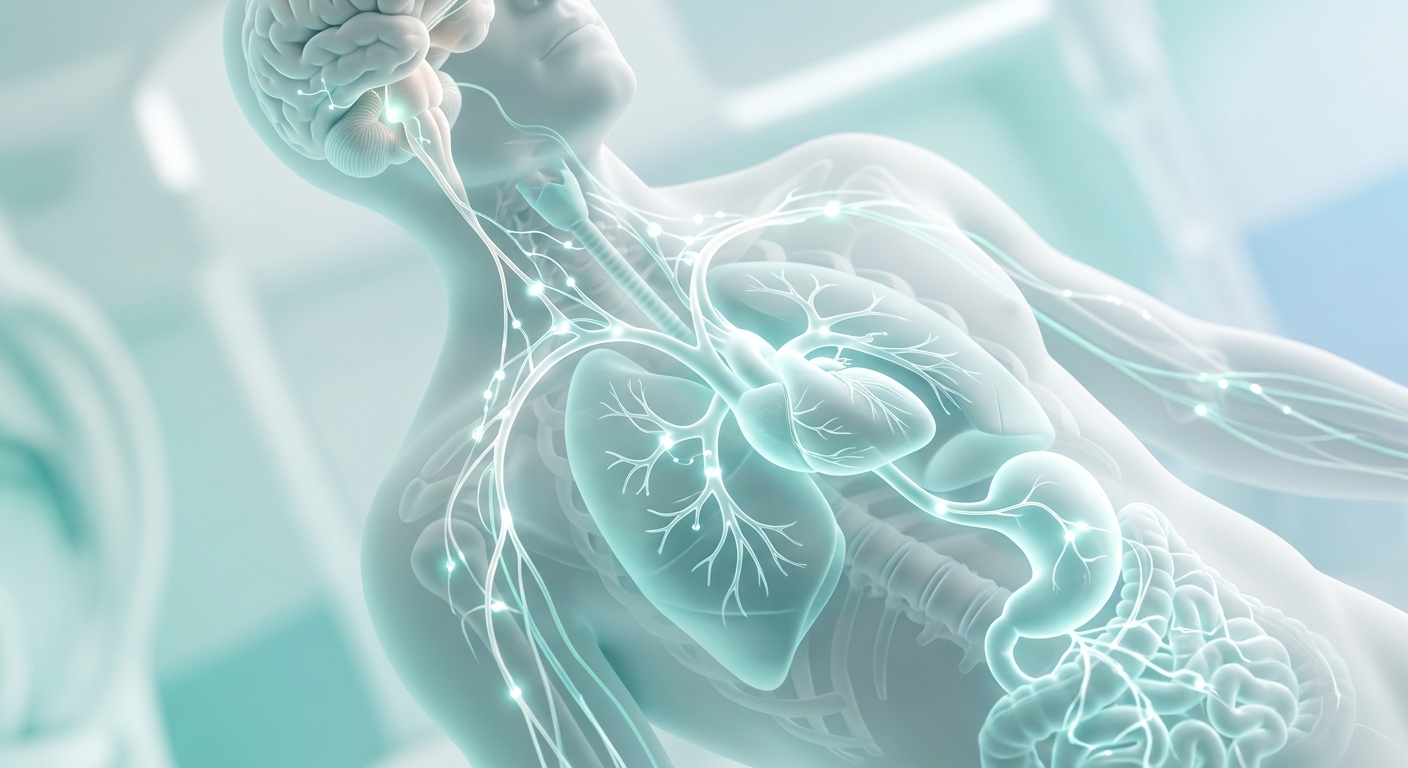
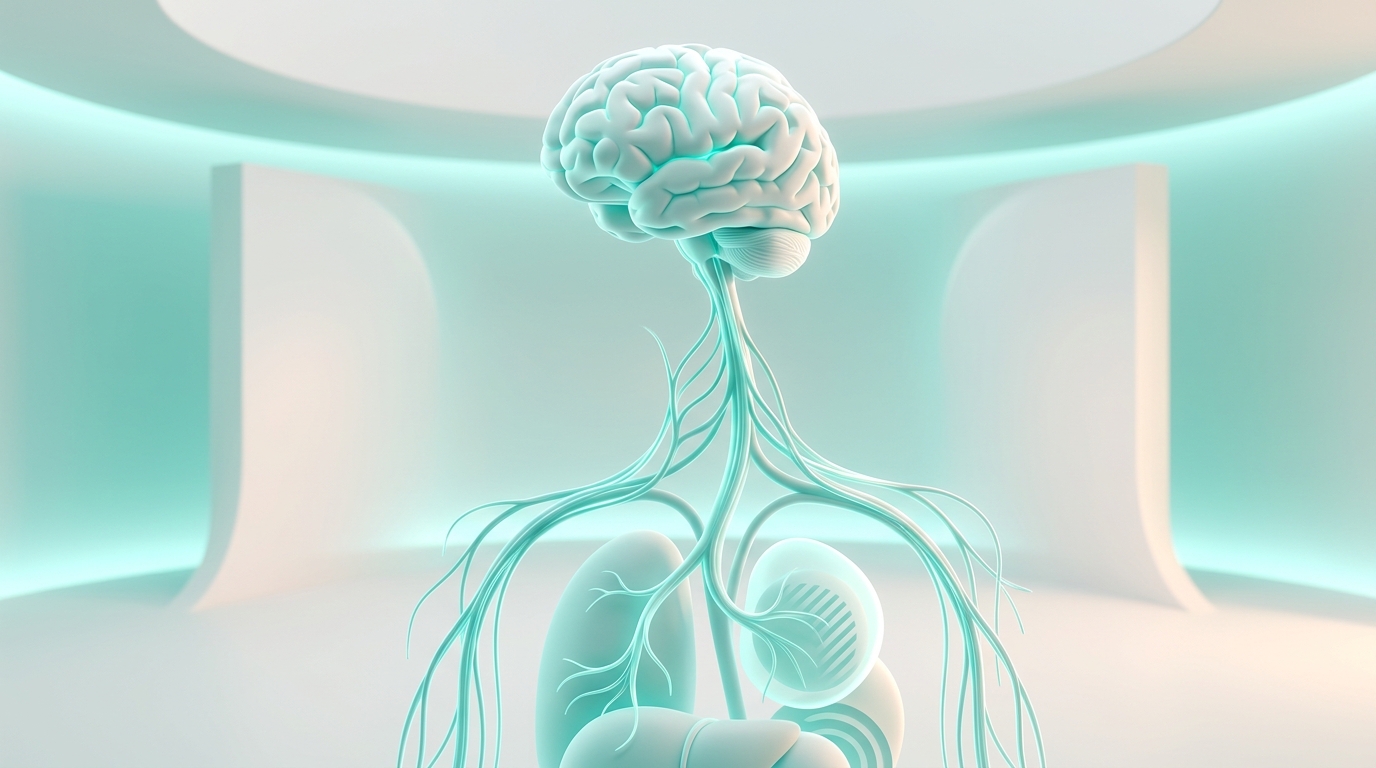
Your brain doesn't exist in isolation. Through the vagus nerve—the longest cranial nerve in your body—your brain maintains constant communication with your heart, lungs, gut, and immune system. This neural superhighway doesn't just carry information; it actively shapes your cognitive function, emotional regulation, and even your risk of neurodegenerative disease.
The Vagus Nerve: Your Brain's Information Superhighway
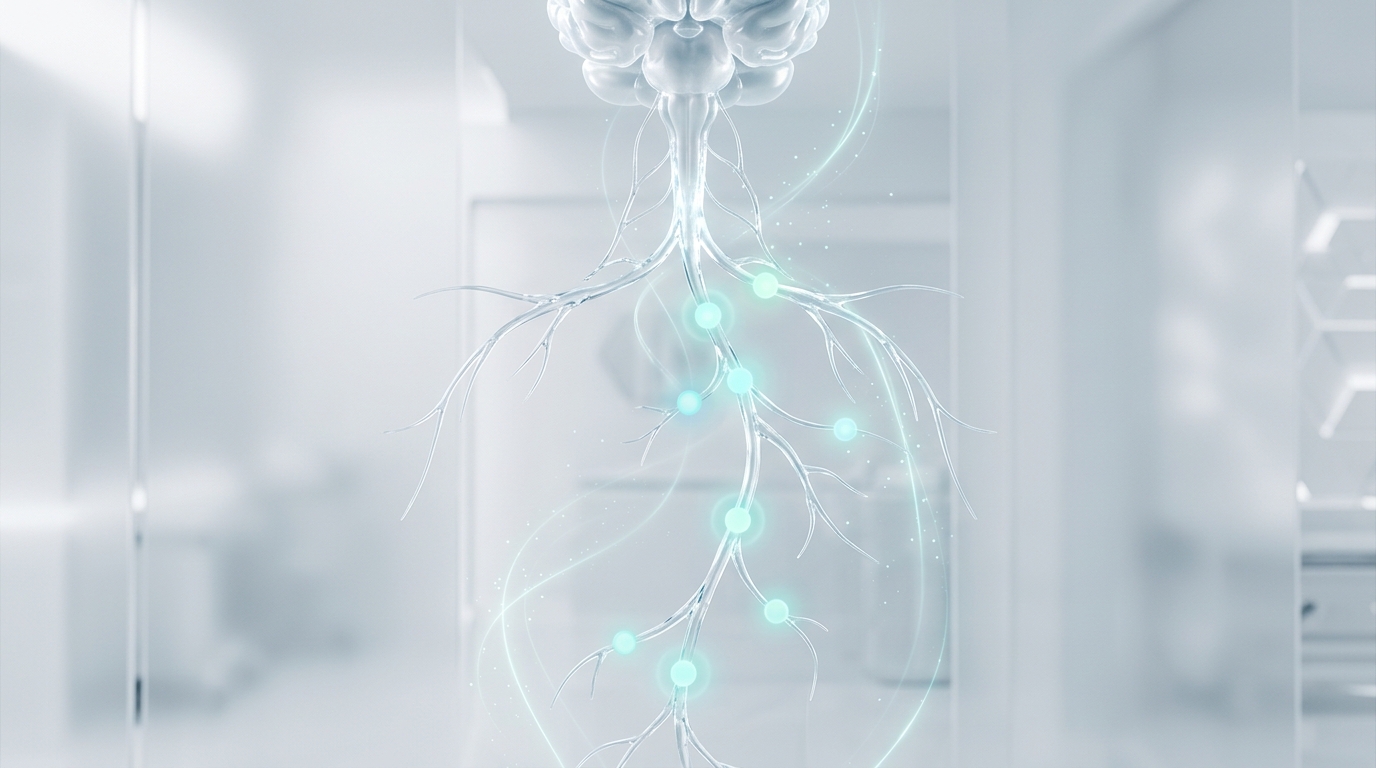
The vagus nerve originates in the brainstem's medulla oblongata and extends down through the neck, chest, and abdomen, creating branches that connect to major organs along the way. Its name comes from the Latin vagus, meaning "wandering"—an apt description for a nerve that travels so extensively through the body.
As a major component of the parasympathetic nervous system, the vagus nerve controls the "rest and digest" functions that oppose the "fight or flight" activation of the sympathetic system. But its role extends far beyond simple relaxation.
- Digestion and nutrient absorption
- Heart rate and blood pressure regulation
- Mood and emotional processing
- Inflammatory responses throughout the body
- Communication between gut and brain
Dr. Vernon B. Williams, director of the Center for Sports Neurology and Pain Medicine at Cedars-Sinai, explains: "It turns out that many of the activities that we associate with calmness—things like deep breathing, meditation, massage and even the experience of awe—effect changes in the brain, in part, through increasing vagus nerve activity."
The Inflammation-Brain Connection
One of the most significant discoveries in neuroscience is the relationship between inflammation and brain health. Chronic inflammation is now recognized as a contributing factor to:
- Depression and anxiety disorders
- Cognitive decline and dementia
- Alzheimer's disease
- Parkinson's disease
- Multiple sclerosis
The vagus nerve plays a crucial role in regulating inflammation through what's called the inflammatory reflex. When the vagus nerve detects rising inflammation, it signals the spleen to release neurotransmitters that suppress pro-inflammatory cytokines. This neural braking system prevents the runaway inflammation that damages brain tissue.
Method 1: Deep Belly Breathing
The simplest, most accessible way to stimulate your vagus nerve is also one of the most effective: changing how you breathe.
- Inhale slowly through your nose for 6 counts
- Exhale slowly through your nose or mouth for 8 counts
- Focus on expanding your belly rather than your chest
- Continue for 5-10 minutes
Why It Works: Deep diaphragmatic breathing stimulates baroreceptors—pressure sensors in your blood vessels and lungs that send signals up the vagus nerve to the brainstem. The extended exhalation is particularly important, as the vagus nerve activates more strongly during the out-breath.
Research at Cedars-Sinai and other institutions confirms that slow breathing protocols increase heart rate variability (a marker of vagal tone) and reduce stress hormones. Regular practice creates lasting changes in autonomic nervous system balance.
Method 2: Meditation and Mindfulness
Meditation has been practiced for thousands of years, but modern neuroscience has revealed the biological mechanisms behind its benefits—and the vagus nerve is central to the story.
What Research Shows: Multiple studies demonstrate that regular meditation practice increases vagal tone, as measured by heart rate variability. Different meditation types activate the vagus through different pathways:
- Focused attention meditation works through breath control and present-moment awareness
- Loving-kindness meditation activates through positive emotional states
- Open monitoring meditation increases interoceptive awareness—the perception of internal body states
- Increase gray matter density in brain regions associated with learning and memory
- Reduce activity in the amygdala (the brain's fear center)
- Improve attention and cognitive flexibility
- Reduce symptoms of anxiety and depression
- Protect against age-related cognitive decline
Method 3: Exercise—Especially Endurance Activities
Physical movement is one of the most powerful brain enhancers available, and its benefits work partly through vagal activation.
The Vagus-Exercise Connection: Aerobic exercise increases vagal tone by:
- Requiring coordinated breathing that stimulates baroreceptors
- Increasing heart rate variability during recovery
- Reducing inflammation throughout the body
- Promoting the release of brain-derived neurotrophic factor (BDNF), which supports neuroplasticity
Best Vagus-Activating Exercises:
- Swimming: Combines rhythmic breathing with full-body movement
- Cycling: Allows sustained aerobic effort with controlled breathing
- Running/Jogging: Creates natural rhythmic breathing patterns
- Yoga and Tai Chi: Combine movement with breath control and mindfulness
Method 4: Massage and Gentle Touch
The skin is richly innervated with sensory receptors that communicate directly with the nervous system. Strategic touch can activate vagal pathways and shift the body into relaxation mode.
Gentle Massage: Soft pressure on the neck, shoulders, and feet activates mechanoreceptors that send calming signals through the vagus nerve. The key word is gentle—deep tissue massage actually triggers the fight-or-flight response and should be avoided when seeking vagal activation.
- Gently massage the sides of your neck where the vagus nerve is accessible
- Apply soft pressure to the area behind your ears
- Massage your feet, particularly the arch and ball
- Use a gentle touch on your abdomen in circular motions
Method 5: Cold Exposure
Cold might seem like a stressor, but controlled cold exposure actually trains your nervous system to handle stress better while providing immediate vagal activation.
- Slows heart rate through vagus nerve activation
- Redirects blood flow to vital organs
- Activates the parasympathetic nervous system
- Reduces sympathetic (stress) activation
Methods to Try:
- Cold Water Face Immersion: Fill a bowl with cold water and ice. Hold your breath and submerge your face for 15-30 seconds.
- Cold Shower Finish: At the end of your regular shower, turn the water to cold for 30 seconds to 2 minutes.
- Cold Water Splash: Splash cold water on your face 5-10 times, or hold a cold, wet washcloth over your eyes and upper cheeks for 30 seconds.
Method 6: Experience Awe
It might sound esoteric, but research confirms that experiencing awe—the emotion triggered by vastness, beauty, or profound experiences—directly activates the vagus nerve.
Practical Ways to Cultivate Awe:
- Nature Immersion: Standing before a vast landscape, watching a sunset, or gazing at the stars triggers awe through perceptual vastness.
- Music: Listening to music that moves you—particularly orchestral or choral works that build to crescendos—can create powerful awe experiences.
- Art and Architecture: Standing before masterworks of art, visiting cathedrals or monuments, or witnessing exceptional human achievement can trigger the sense of vastness that characterizes awe.
Tracking Your Progress: Heart Rate Variability
The best biomarker for vagal tone improvement is heart rate variability (HRV)—the variation in time between heartbeats.
- High HRV indicates strong vagal tone and better autonomic nervous system balance
- Low HRV suggests low vagal tone and higher stress burden
Many wearable devices now track HRV, including Apple Watch, Garmin devices, Whoop strap, Oura ring, and various chest strap monitors.
Bottom Line
Your vagus nerve is more than a relaxation pathway—it's a fundamental regulator of brain health, cognitive function, and emotional wellbeing. The practices that activate it aren't exotic or expensive; they're simple, accessible, and supported by robust scientific evidence.
Deep breathing, meditation, regular movement, gentle touch, cold exposure, and awe experiences aren't just wellness trends. They're physiological tools that activate specific neural pathways, reduce inflammation, and protect your brain from the damage that leads to cognitive decline.