7 Science-Backed Ways to Stimulate Your Vagus Nerve at Home
Meta Description: Learn 7 proven techniques to activate your vagus nerve naturally. From deep breathing to cold exposure, these science-backed methods reduce stress, improve digestion, and boost overall health.
Why Stimulate Your Vagus Nerve?
Your vagus nerve is like a master control switch for your nervous system. When you activate it, you shift your body from "fight or flight" stress mode into "rest and digest" healing mode. The result? Lower stress hormones, reduced inflammation, better digestion, improved mood, and enhanced overall wellbeing.
The best part? You don't need expensive equipment or medical procedures. Research has identified several simple techniques you can do at home to stimulate your vagus nerve and improve your vagal tone—your nervous system's resilience.
1. Deep, Slow Breathing
Of all the vagus nerve stimulation techniques, breathing exercises are the most accessible and well-researched. The vagus nerve connects to your diaphragm, and slow, deep breathing creates gentle pressure changes that activate the nerve.
The Science
Research published in Frontiers in Psychology shows that slow breathing at 5-6 breaths per minute (about one breath every 10-12 seconds) optimally stimulates the vagus nerve. This rate is called resonant breathing because it creates resonance between your heart rate, blood pressure, and breathing.
How to Practice
- Box Breathing: Inhale for 4 counts, hold for 4 counts, exhale for 4 counts, hold for 4 counts. Repeat for 5 minutes.
- 4-7-8 Breathing: Inhale through your nose for 4 counts, hold for 7 counts, exhale through your mouth for 8 counts. This extended exhale particularly activates the vagus nerve.
- Resonant Breathing: Breathe in for 5 seconds, out for 5 seconds. Use a timer or app to maintain the rhythm.
Best for: Immediate stress relief, preparing for sleep, reducing anxiety before important events
2. Cold Water Exposure
Cold exposure has gained popularity through practices like ice baths and cold showers—and science supports its vagus nerve benefits.
The Science
When cold water hits your skin, especially your face, it triggers the mammalian dive reflex. This ancient survival mechanism immediately slows your heart rate and activates the parasympathetic nervous system through the vagus nerve. Research shows that regular cold exposure improves vagal tone and reduces inflammatory markers.
How to Practice
- Face immersion: Fill a bowl with cold water and ice. Take a deep breath, then submerge your face for 15-30 seconds. Repeat 3-5 times.
- Cold shower finish: End your regular shower with 30-60 seconds of cold water, gradually increasing duration over weeks.
- Start gradually: Begin with lukewarm water and slowly decrease temperature over time as you adapt.
Best for: Morning energy boost, reducing inflammation, building stress resilience
3. Humming, Chanting, and Singing
The vagus nerve passes through your throat and inner ear. Vibrations from vocalization stimulate these branches directly.
The Science
Studies on chanting and singing show increased heart rate variability (a marker of vagal tone) during and after practice. The vibrations from humming and chanting specifically stimulate the vagus nerve branches in the throat and ear. Research on "Om" chanting found it produced greater HRV improvement than silent breathing exercises.
How to Practice
- Humming: Simply hum your favorite tune for 5-10 minutes. Feel the vibration in your throat and chest.
- Chanting: Try chanting "Om" or any resonant sound. The vibration in your skull stimulates the vagus nerve through inner ear connections.
- Singing: Sing along to music, especially songs that require extended exhalation.
- Gargling: Gargle with water for 30-60 seconds. The throat muscles activate vagus nerve branches.
Best for: Mood improvement, social connection (group singing), accessible daily practice
4. Probiotics and Gut Health
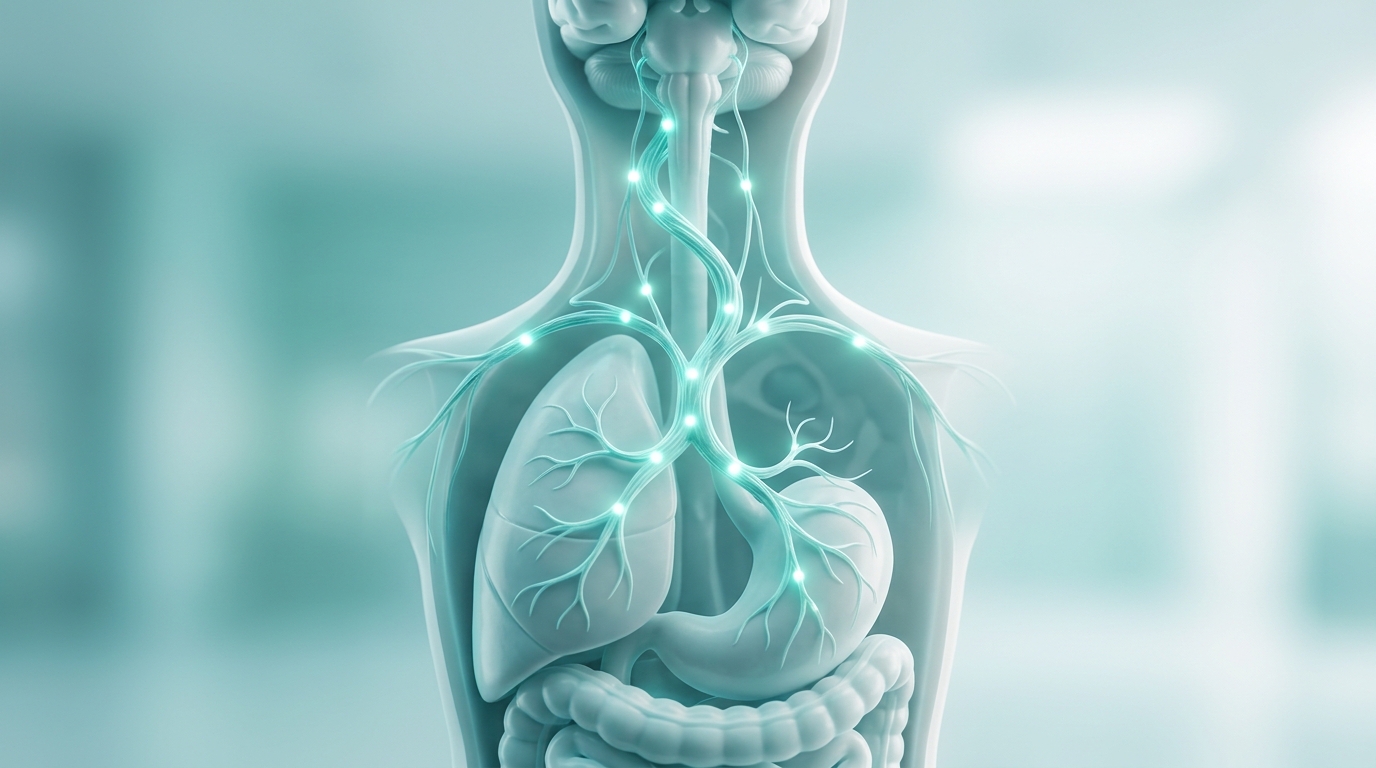
Remember that 90% of your vagus nerve fibers carry information FROM your gut TO your brain. A healthy gut microbiome sends positive signals up the vagus nerve.
The Science
Research published in Psychopharmacology found that probiotic supplementation reduced cortisol levels and improved stress response—effects mediated through the gut-brain axis and vagus nerve. Specific strains like Lactobacillus and Bifidobacterium show particular promise for vagus nerve health.
How to Practice
- Fermented foods: Include yogurt, kefir, sauerkraut, kimchi, and kombucha in your diet
- Probiotic supplements: Look for multi-strain products with at least 10 billion CFU
- Prebiotic fiber: Feed good bacteria with garlic, onions, bananas, oats, and asparagus
- Reduce gut irritants: Limit processed foods, excessive alcohol, and unnecessary antibiotics
Best for: Long-term vagal tone improvement, digestive health, mood support
5. Meditation and Mindfulness
Meditation practices have been shown to increase vagal tone and improve autonomic balance.
The Science
A meta-analysis in Psychosomatic Medicine found that meditation increases heart rate variability and vagal tone. Loving-kindness meditation specifically showed strong effects on vagal tone, possibly because positive emotions activate the vagus nerve more effectively than neutral states.
How to Practice
- Loving-kindness meditation: Sit comfortably, breathe deeply, and silently repeat phrases like "May I be happy, may I be healthy" while generating feelings of warmth and compassion.
- Body scan: Systematically bring attention to each part of your body, noticing sensations without judgment.
- Mindful breathing: Simply observe your breath without trying to change it, noticing the pause between inhale and exhale.
- Start small: Even 5-10 minutes daily provides benefits. Consistency matters more than duration.
Best for: Emotional regulation, stress resilience, long-term brain health
6. Social Connection and Physical Touch
Human connection activates the vagus nerve through multiple pathways, which may explain why social isolation is so harmful to health.
The Science
Research by Dr. Stephen Porges, developer of the Polyvagal Theory, shows that social engagement systems are intimately connected with the vagus nerve. Facial expressions, vocal tone, and physical touch all stimulate vagus nerve branches. Studies show that people with strong social connections have higher vagal tone.
How to Practice
- Hugging: A 20-second hug stimulates oxytocin release and vagus nerve activation
- Hand-holding: Holding hands with a partner reduces stress response
- Massage: Even brief massage stimulates pressure receptors that activate the vagus nerve
- Social activities: Engage in group singing, team sports, or shared meals
- Eye contact: Warm eye contact during conversation stimulates social engagement systems
Best for: Emotional wellbeing, relationship building, combating loneliness
7. Exercise and Movement
Regular physical activity improves vagal tone through multiple mechanisms, including increased heart rate variability and reduced inflammation.
The Science
A systematic review in Frontiers in Physiology found that both aerobic exercise and yoga increase vagal tone. The mechanisms include improved cardiovascular fitness, reduced baseline stress hormones, and enhanced autonomic flexibility. Interestingly, moderate exercise appears more beneficial than extreme endurance training for vagal tone.
How to Practice
- Aerobic exercise: 30 minutes of moderate activity (walking, cycling, swimming) most days
- Yoga: Combines movement, breathing, and meditation—all vagus-friendly practices
- Tai chi: Slow, mindful movement with deep breathing optimizes vagal activation
- Consistency over intensity: Regular moderate exercise beats occasional extreme workouts
Best for: Overall health, cardiovascular fitness, mood enhancement
Creating Your Vagus Nerve Routine
Start with just one or two practices that appeal to you. Once they become habits, add others. A sample daily routine might look like:
- Morning: Cold water face splash + 2 minutes humming while showering
- Midday: 5-minute breathing break after lunch
- Evening: Brief meditation or yoga session before bed
- Throughout day: Prioritize social connections, eat fermented foods, take walking breaks
Key Takeaways
- Deep, slow breathing at 5-6 breaths per minute optimally stimulates the vagus nerve
- Cold water exposure triggers the dive reflex, immediately activating parasympathetic response
- Humming, chanting, and singing create vibrations that stimulate vagus nerve branches in throat and ear
- A healthy gut microbiome sends positive signals up the vagus nerve—feed your gut bacteria well
- Meditation and mindfulness practices increase vagal tone over time
- Social connection and physical touch activate the vagus nerve's social engagement system
- Regular moderate exercise improves cardiovascular fitness and vagal tone
- Consistency matters more than intensity—small daily practices yield significant benefits
Source: Adapted from research published in Everyday Health and peer-reviewed scientific journals