Does Vagus Nerve Stimulation Really Work?
The Science Behind the $50,000 Treatment That Could Change Everything—Or Nothing at All
Imagine spending $50,000 on a device implanted in your chest, connected to a nerve in your neck, with the hope that it will finally lift the depression that has plagued you for decades. No more pills. No more side effects. Just a small generator sending gentle electrical pulses to your brain every few minutes.
It sounds like science fiction. But for over 100,000 people worldwide, this is reality. Vagus Nerve Stimulation (VNS) has been FDA-approved since 2005 for treatment-resistant depression and since 1997 for epilepsy. Yet the question remains: Does it actually work?
The answer is more complicated than a simple yes or no. In this article, we will dive deep into the clinical evidence, real-world outcomes, and the hard truths about who benefits most from this controversial treatment.
What Is Vagus Nerve Stimulation?
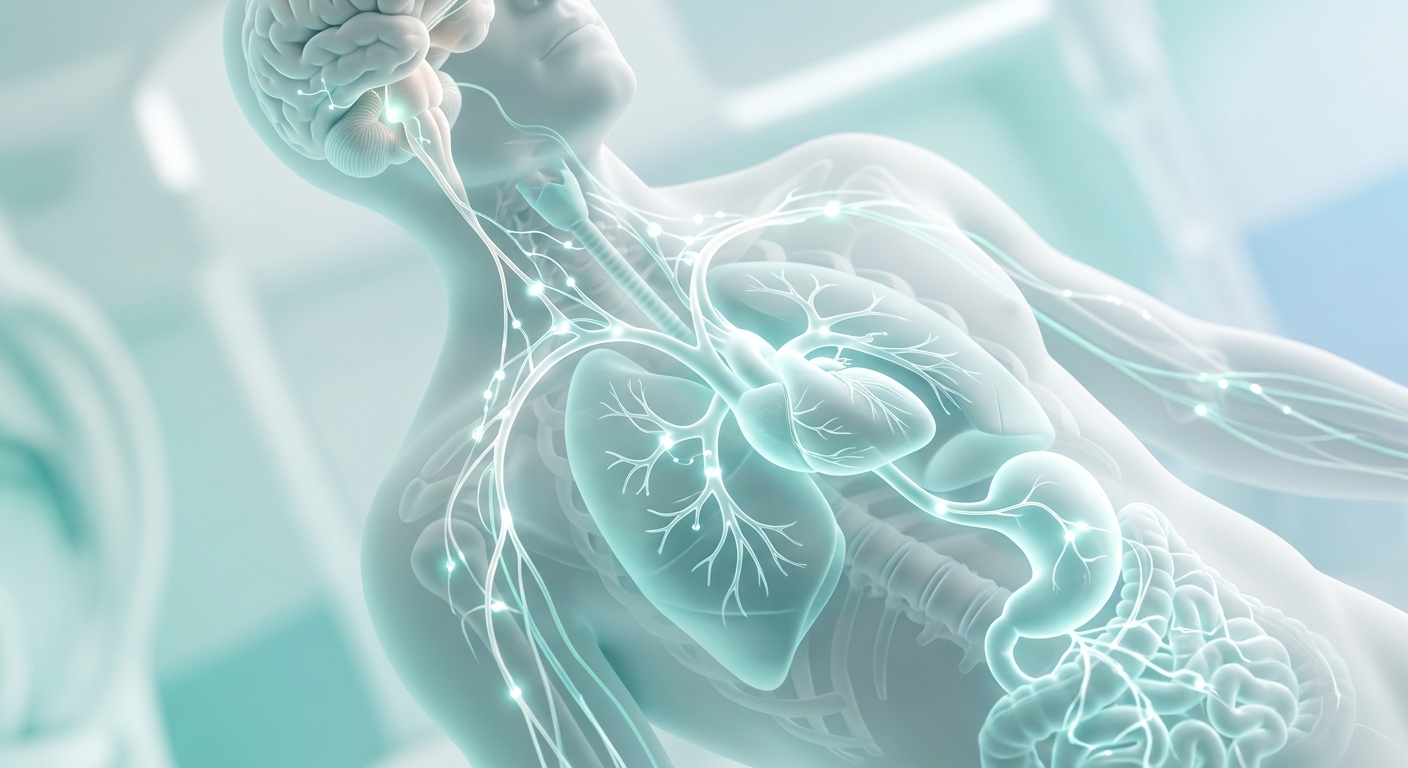
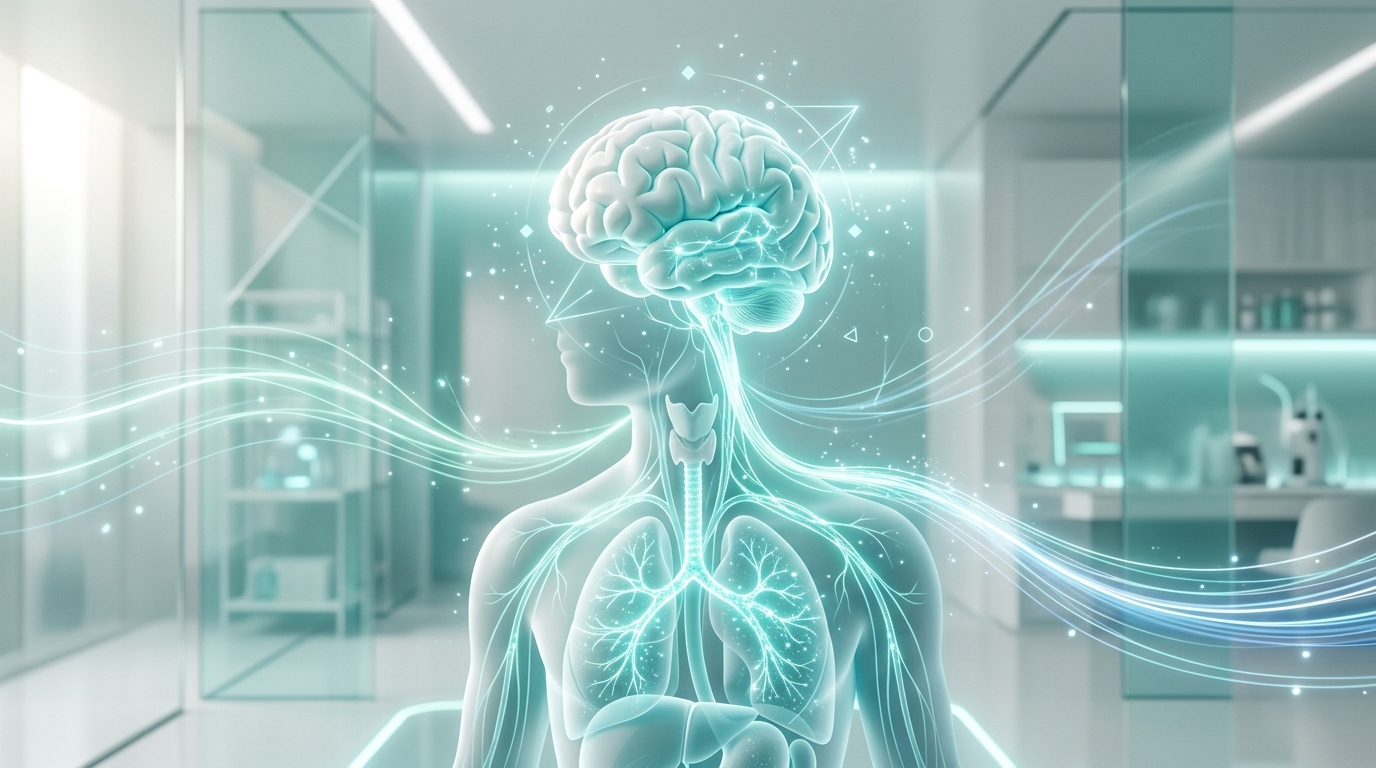
Before we can answer whether VNS works, we need to understand what it actually does. The vagus nerve is the longest cranial nerve in your body, running from your brainstem down through your neck, chest, and into your abdomen. It is the primary communication highway between your brain and your major organs, carrying signals in both directions.
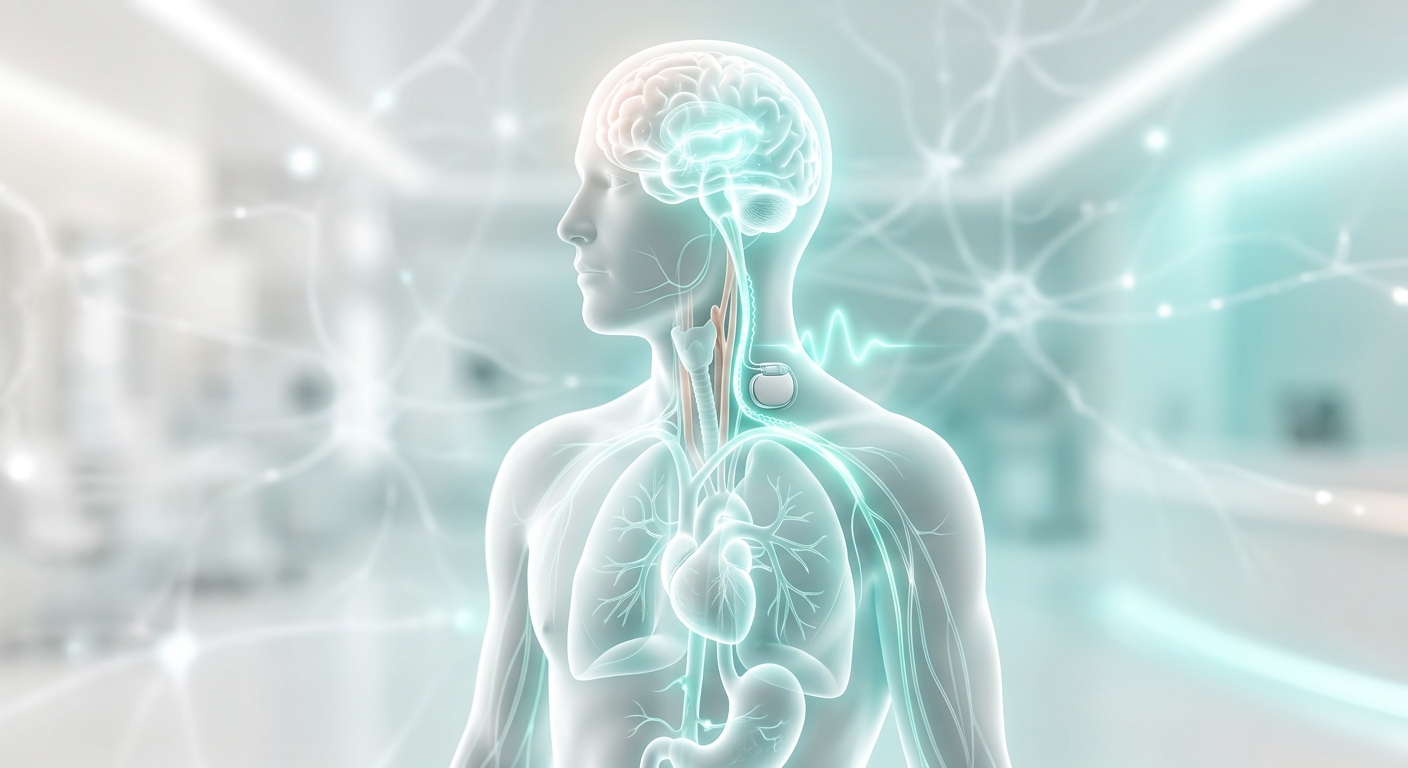
Vagus Nerve Stimulation therapy involves surgically implanting a small device—about the size of a stopwatch—under the skin in your chest. A thin wire runs from this device up to your neck, where it wraps around the left vagus nerve. The device sends regular, mild electrical pulses up the nerve toward your brain.
The procedure itself takes about an hour under general anesthesia. Most patients go home the same day or the next morning. Recovery takes about two weeks for the incision to heal, but the device does not reach full therapeutic effect immediately.
The FDA Approval Story
VNS was first approved by the FDA in 1997 for epilepsy that did not respond to medication. The path to depression approval was rockier. After initial rejection due to questionable efficacy data, the FDA granted approval in 2005 specifically for treatment-resistant depression—depression that has not responded to at least four different medication attempts.
But here is the critical context: FDA approval does not guarantee dramatic results. It means the treatment is safe enough and effective enough to justify its use in specific populations where alternatives have failed.
What the Clinical Research Actually Shows
To understand if VNS really works, we need to look at the clinical trials and long-term studies. The evidence presents a mixed but generally positive picture for the right patients.
The Epilepsy Evidence
For epilepsy, the data is stronger. A landmark study published in the New England Journal of Medicine in 1995 showed that VNS reduced seizure frequency by 50% or more in approximately 31% of patients—compared to 13% in the control group. Long-term follow-up studies show that efficacy actually improves over time, with response rates increasing to 45-50% after two years.
The Depression Evidence
The depression data is more nuanced. The pivotal D-02 study, which led to FDA approval, showed that after one year of VNS therapy, approximately 30% of patients achieved remission from their depression symptoms. Another 20-30% showed significant improvement without full remission.
But here is what makes these numbers meaningful: these were not mild depression cases. These were patients who had failed an average of 8.5 different medication trials and 6.5 different treatment modalities including ECT (electroconvulsive therapy). For this population—a group modern psychiatry struggles to help—VNS offered a 30% chance of complete remission.
A major long-term study published in Biological Psychiatry followed VNS patients for five years. The results were striking: response rates increased from 37% at year one to 67% at year five. Remission rates grew from 15% to 43%. This suggests VNS works through gradual neuroplasticity changes, not immediate chemical shifts like antidepressants.
"VNS is not a quick fix. It is a long-term investment in brain health. The patients who do best understand this from the start."
— Dr. Charles Conway, Washington University School of Medicine
The Timeline Reality: Why Patience Matters
Perhaps the most misunderstood aspect of VNS is the timeline. Unlike antidepressants, which might show effects in 4-6 weeks, VNS typically takes months to show meaningful benefits. This is because VNS works through neuroplasticity—actually rewiring neural circuits—not by immediately flooding synapses with neurotransmitters.
Most patients see some improvement within 3-6 months, but the full therapeutic effect often requires 12-18 months of continuous stimulation. This delayed onset is frustrating for patients desperate for relief, but it reflects the mechanism of action. You are literally retraining your brain's stress and mood regulation systems.
Who Does VNS Work Best For?
Not everyone with depression or epilepsy should get VNS. The data shows clear patterns of who benefits most:
Predictors of Success
- True treatment resistance: Patients who have failed multiple adequate medication trials (not just stopped taking pills)
- Chronic conditions: Depression or epilepsy present for years, not months
- No history of ECT response: Interestingly, VNS seems to work better in patients who never responded to ECT than in ECT non-responders
- Anxiety comorbidity: Patients with both depression and anxiety often see dual benefits
- Realistic expectations: Patients who understand VNS is adjunctive, not curative
Predictors of Poor Response
- Bipolar depression: Mixed results; some studies show less efficacy than unipolar depression
- Personality disorders: Particularly borderline personality disorder predicts poor VNS response
- Substance abuse: Active addiction undermines VNS efficacy
- Unrealistic expectations: Patients expecting immediate miracle cures are often disappointed
The Side Effect Profile
One of VNS's major selling points is its side effect profile compared to medications. The most common side effects are:
- Voice changes: Hoarseness during stimulation (30-40% of patients)
- Cough or throat irritation: Especially during stimulation (20-25%)
- Neck pain: Usually resolves within weeks (10-15%)
- Shortness of breath: Rare, usually during exercise (5-10%)
Compare this to antidepressants, which can cause sexual dysfunction (30-70%), weight gain (20-50%), emotional blunting, insomnia, and gastrointestinal issues. For patients who cannot tolerate medication side effects, VNS offers a compelling alternative.
Real-World Patient Stories
Beyond the clinical trials, what do actual patients report? Anecdotal evidence from VNS patient communities reveals consistent themes:
The "Slow Awakening" Pattern: Many patients report that family members notice improvements before they do themselves. Spouses describe patients as "more present," "less reactive," or "more engaged" months before the patient feels subjectively better.
The Medication Reduction: While VNS is approved as adjunctive therapy (add-on to medications), many successful patients eventually reduce their medication burden under physician supervision. Some achieve complete medication freedom.
The Durability: Unlike medications, which often lose effectiveness over years (tachyphylaxis), VNS seems to maintain or improve efficacy over time. Patients report sustained benefits at 5, 10, even 15 years post-implantation.
The Cost-Benefit Analysis
At $50,000-$80,000 total cost (device, surgery, programming), VNS is expensive. Insurance coverage varies, though most major insurers cover it for FDA-approved indications with proper documentation.
But consider the alternative costs of chronic, severe depression: lost wages, hospitalizations, multiple medication trials, therapy, disability, and the incalculable cost of suffering. For the subset of patients who achieve remission, VNS is cost-effective over a 5-10 year horizon.
So, Does It Really Work?
After reviewing the evidence, here is the honest answer: Yes, VNS works—but not for everyone, not immediately, and not dramatically.
For epilepsy, the evidence is robust: 45-50% of appropriately selected patients see major seizure reduction, and some achieve complete seizure freedom.
For depression, the evidence supports VNS as a valid option for treatment-resistant cases. Approximately 30-40% of patients achieve significant improvement or remission within 12-24 months. For a population that has exhausted most other options, this represents meaningful hope.
But VNS is not a miracle cure. It is not appropriate for first-line treatment. It requires patience, realistic expectations, and acceptance that improvement may be gradual and partial rather than immediate and total.
The Bottom Line
Vagus Nerve Stimulation represents one of the most intriguing intersections of neurology and psychiatry—a treatment that literally rewires your nervous system through gentle, continuous electrical stimulation.
For the right patient—someone with true treatment-resistant depression or epilepsy, realistic expectations, and willingness to wait months for gradual improvement—VNS offers a genuine chance at recovery where other treatments have failed.
The question is not simply "Does VNS work?" but rather: "Is VNS right for my specific situation, and am I prepared for the timeline and commitment it requires?"
If you or a loved one is considering VNS, consult with a psychiatrist or neurologist experienced with device-based therapies. The decision should be made with full understanding of both the potential benefits and the realistic limitations of this remarkable but imperfect technology.