The $50,000 Question: Could a Tiny Implant in Your Chest Change Your Life?
What if the key to calming your overactive brain was hiding in a nerve most people have never heard of?
You've tried everything. The medications that promised relief but left you feeling like a zombie. The lifestyle changes that helped... a little. The well-meaning advice from people who just don't understand what it's like to live with epilepsy or depression that won't quit.
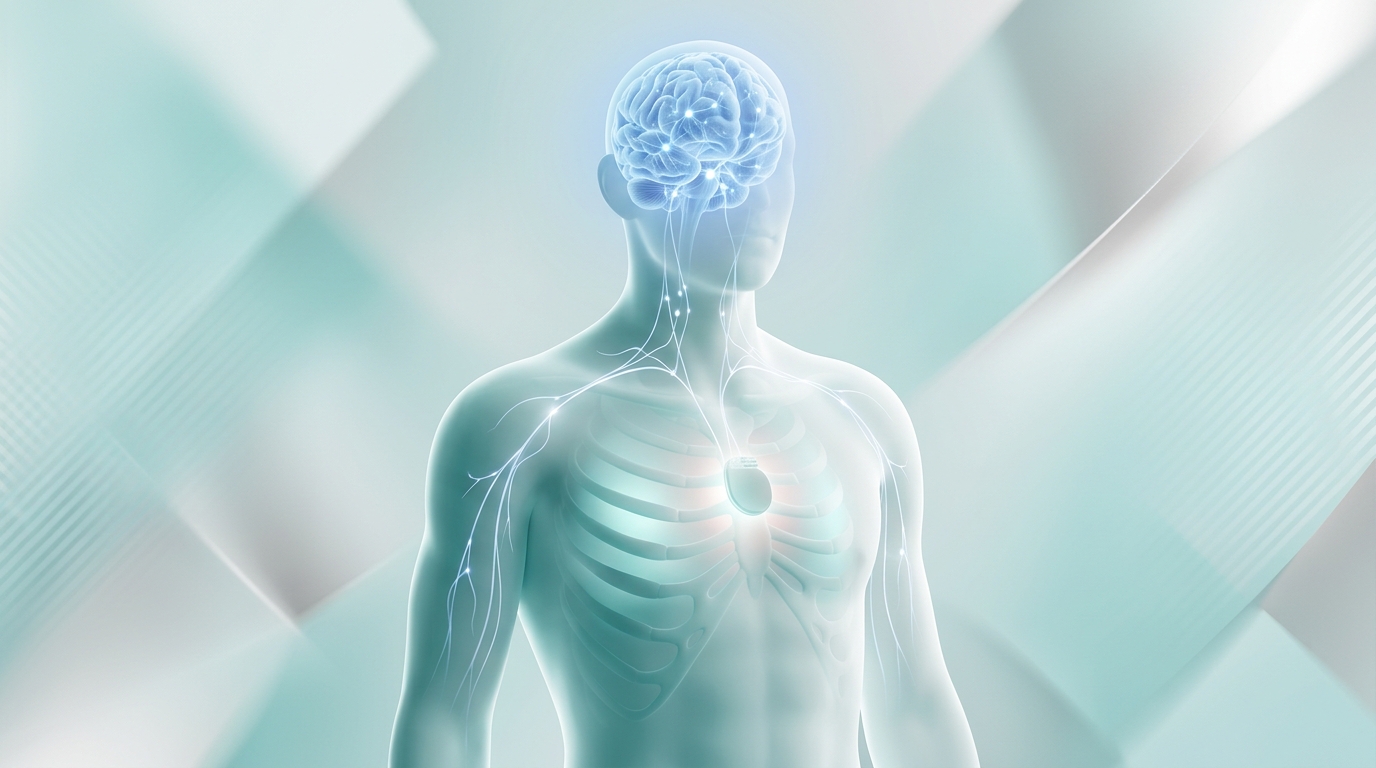
And then your doctor mentions something that sounds like science fiction: a small device implanted in your chest that sends electrical signals to a nerve in your neck. No, it's not a pacemaker for your heart—it's a pacemaker for your brain.
Welcome to the world of Vagus Nerve Stimulation therapy, or VNS. It's not a household name (yet), but for thousands of people who felt like they'd run out of options, it's been nothing short of life-changing.
Your Body's Hidden Superhighway
Picture this: you're stressed, and suddenly your heart races, your palms sweat, your stomach ties itself in knots. That's your nervous system in action—the ancient wiring that connects your brain to... well, everything else.
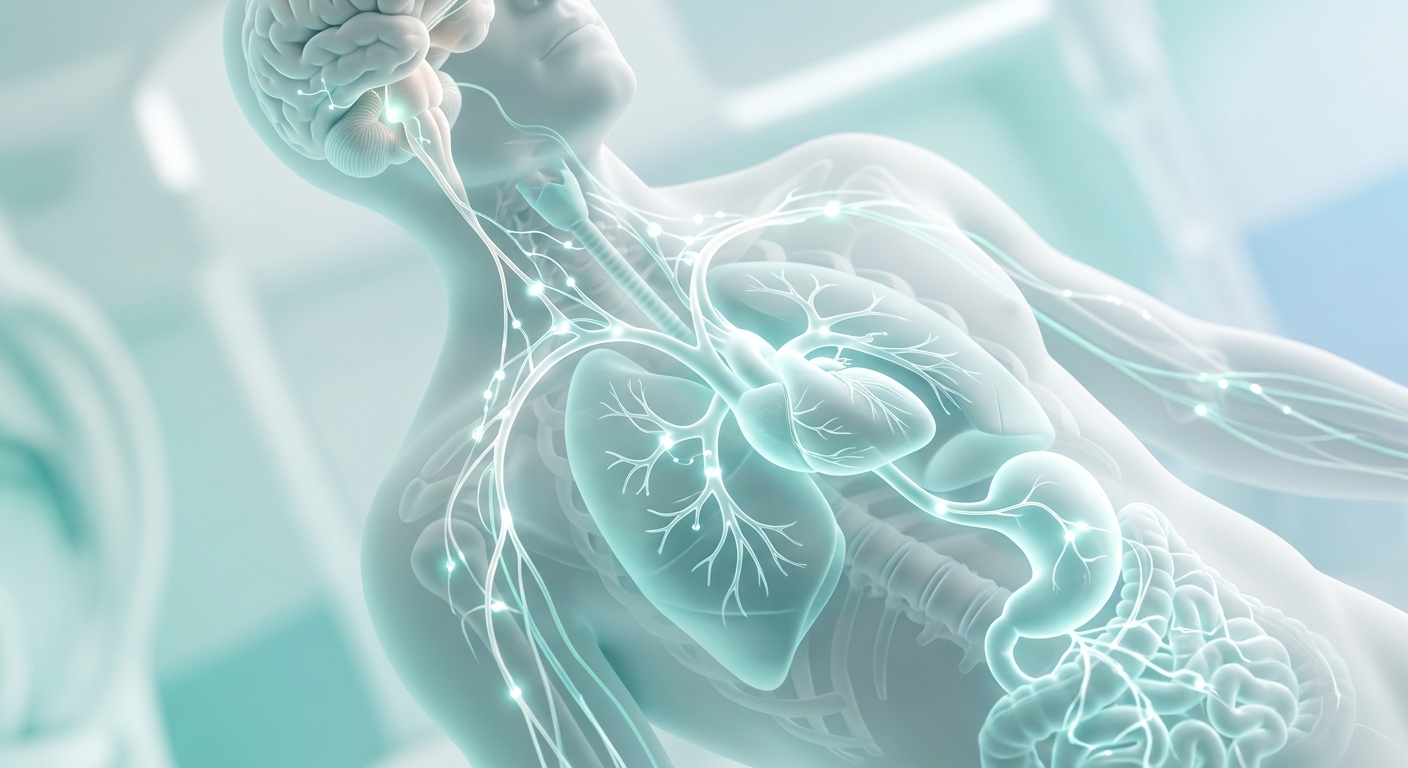
But here's what most people don't realize: there's a two-way street running through your body called the vagus nerve, and it's carrying messages in both directions. When your brain is firing off abnormal electrical signals—like during a seizure or in the depths of depression—this nerve is part of the conversation.
VNS therapy taps into that conversation. A small device, about the size of a silver dollar, gets implanted under the skin in your chest. A thin wire runs up to your vagus nerve in your neck. And then, like a gentle conductor guiding an orchestra, it starts sending tiny electrical impulses to help regulate your brain's activity.
It's been FDA-approved for epilepsy since 1997 and for treatment-resistant depression since 2005. Translation? This isn't experimental. It's established medicine—but it's still under the radar for most patients.
The Sticker Shock (And Why It Might Not Matter)
Let's talk numbers, because we both know that's what you're really wondering about.
A VNS system will set you back roughly $30,000 to $50,000 when you factor in both the device ($20,000–$30,000) and the surgery to implant it ($10,000–$20,000). Yeah, we felt our jaws drop too.
But here's the plot twist: most insurance covers it.
If you have epilepsy or depression that hasn't responded to other treatments, insurance companies—yes, even Medicare and Medicaid—typically cover VNS therapy. You'll need prior authorization (because of course you will), and there will be paperwork. But for approved indications, you're not paying that sticker price out of pocket.
Think about it this way: untreated epilepsy or depression costs the healthcare system—and your quality of life—far more than a one-time device implantation. Insurance companies know this math.
Are You the Right Person for This?
Here's where we get real. VNS isn't for everyone, and anyone who tells you otherwise is selling something.
You might be a candidate if:
You've tried multiple medications and they haven't worked (or the side effects were brutal)
You're not a candidate for brain surgery or other invasive procedures
You understand this isn't a magic cure—it's a management tool
You're willing to play the long game (results take months, not days)
You can wrap your head around both the risks and the benefits
This isn't like taking an antibiotic for an infection. It's more like getting a hearing aid or starting physical therapy—it's a commitment. The device stays with you. It becomes part of your life.
The Journey: From Surgery to "Is This Actually Working?"
So what does getting VNS actually look like? Let's walk through it.
The Procedure Itself
The surgery takes about two to three hours. You're usually outpatient, meaning you go home the same day. It's done under general anesthesia, so you'll be counting backward from 100 and then suddenly it'll be over.
Recovery typically runs one to two weeks. You'll have a small scar on your chest and another on your neck. Some people experience hoarseness or a cough as their body adjusts—that's normal, and it usually fades.
The Waiting Game
Here's the part that tests your patience: the device doesn't get turned on immediately.
Your medical team will wait two to four weeks post-surgery before activating the device. Then comes the fine-tuning—regular programming sessions where they adjust the electrical settings to find what works best for your brain.
And then you wait some more.
Unlike popping a pill and feeling different in an hour, VNS works gradually. Most people notice changes over weeks or months. Seizures may become less frequent or less severe. The heavy fog of depression might start to lift, bit by bit. It's subtle—so subtle that some patients don't even realize it's working until they look back and compare.
Living With Your New Roommate
Once you're up and running, VNS becomes part of your daily reality. And like any medical device, it comes with a new normal.
You'll need to:
Tell every doctor and dentist about your implant (yes, even the dermatologist)
Carry a medical ID card explaining you have a VNS device
Be aware that some MRIs are off-limits or require special precautions (though many modern VNS devices are "MRI conditional")
Expect extra screening at airport security (bring that medical card!)
Most patients also get a small handheld magnet. Wave it over the device, and you can temporarily turn stimulation on or off—or in some cases, trigger extra stimulation if you feel a seizure coming on. It's like having a remote control for part of your nervous system.
The Bottom Line: Hope for the Stubborn Cases
Here's what you need to take away from all of this:
Vagus Nerve Stimulation isn't a miracle cure. It's not going to erase epilepsy or depression from your life. But for people who have exhausted other options—who have played medication roulette and lost, who aren't candidates for other surgeries—it's a legitimate, evidence-based pathway to better symptom control.
The technology has been around for decades. The science is solid. And for thousands of people who felt like they were out of moves, it's offered something precious: a chance to get their lives back.
If you're wrestling with treatment-resistant epilepsy or depression, VNS might be worth a conversation with your neurologist or psychiatrist. Ask the questions. Do the research. Get a second opinion if you need to.
Because sometimes the most powerful solutions aren't the ones that make headlines—they're the quiet technologies, humming away in the background, giving people their tomorrows back.