The Gut-Brain Connection: How Your Vagus Nerve Controls Digestion and Mood
The surprising science behind your "second brain" and why gut health is mental health
You've probably experienced it: butterflies in your stomach before a big presentation, "gut feelings" about decisions, or losing your appetite when stressed. These aren't just figures of speech—they're real examples of the gut-brain connection in action.
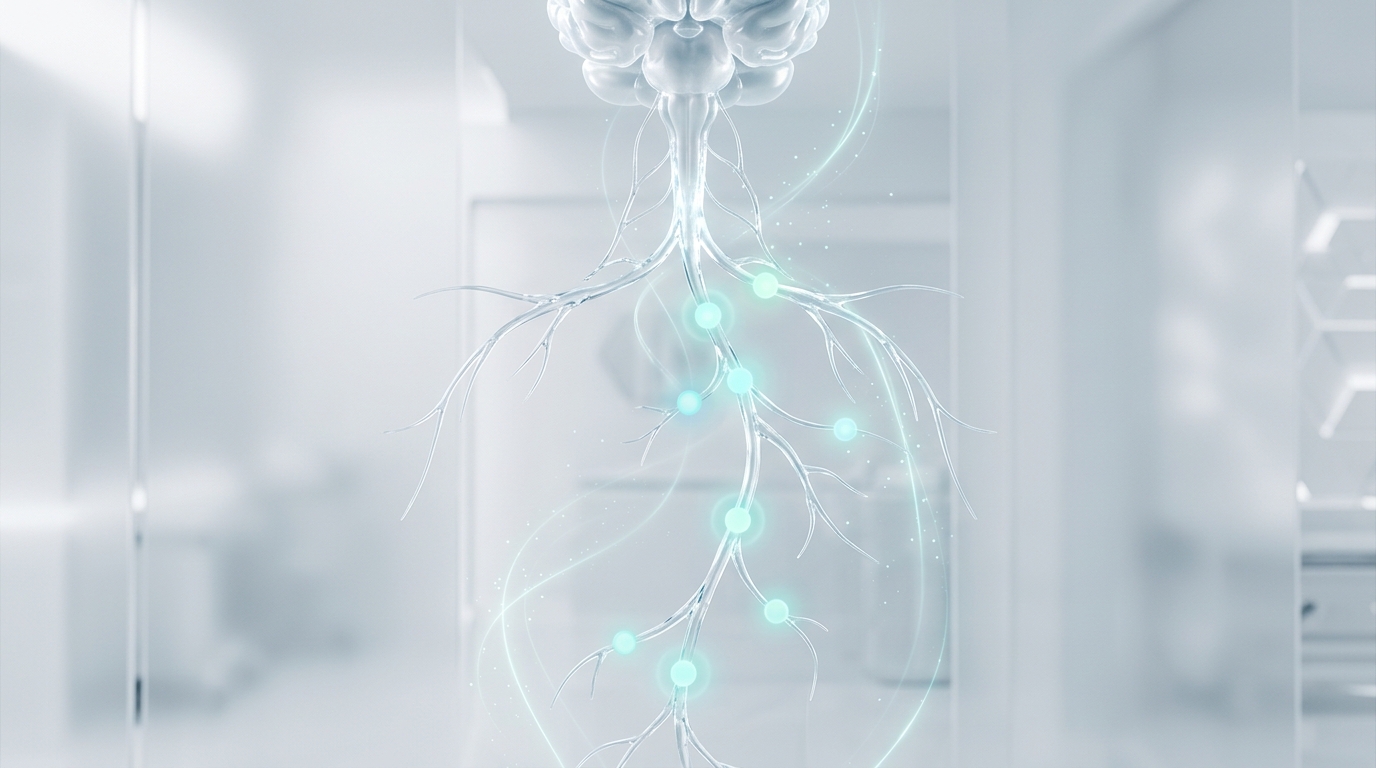
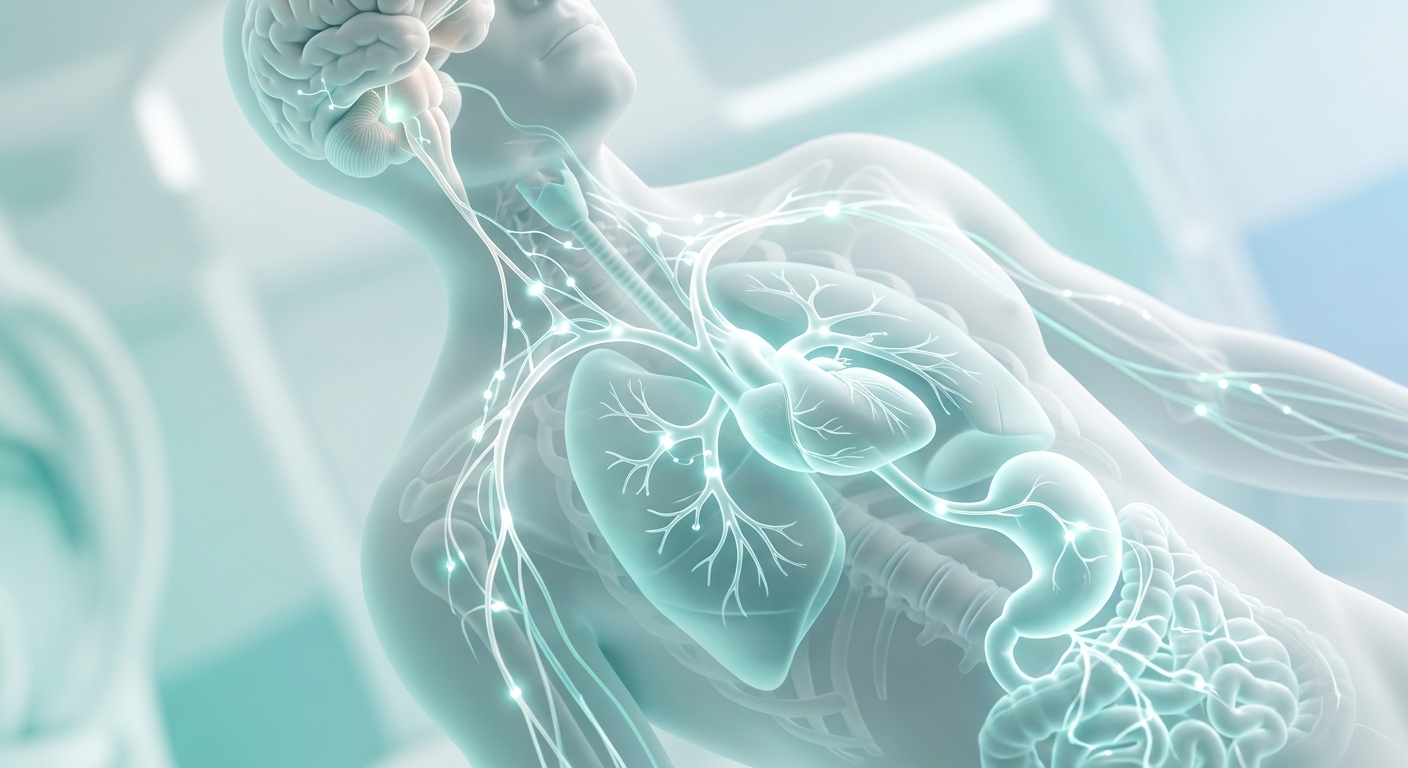
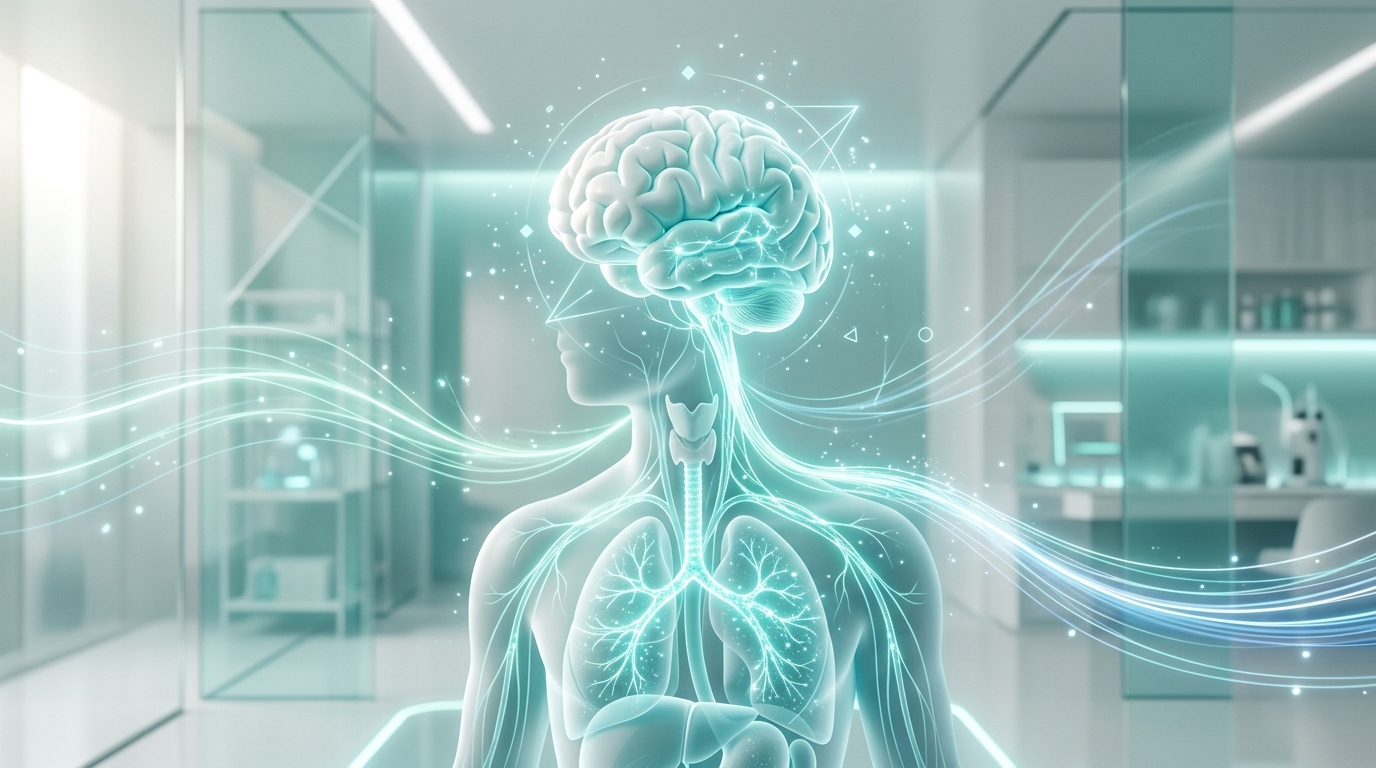
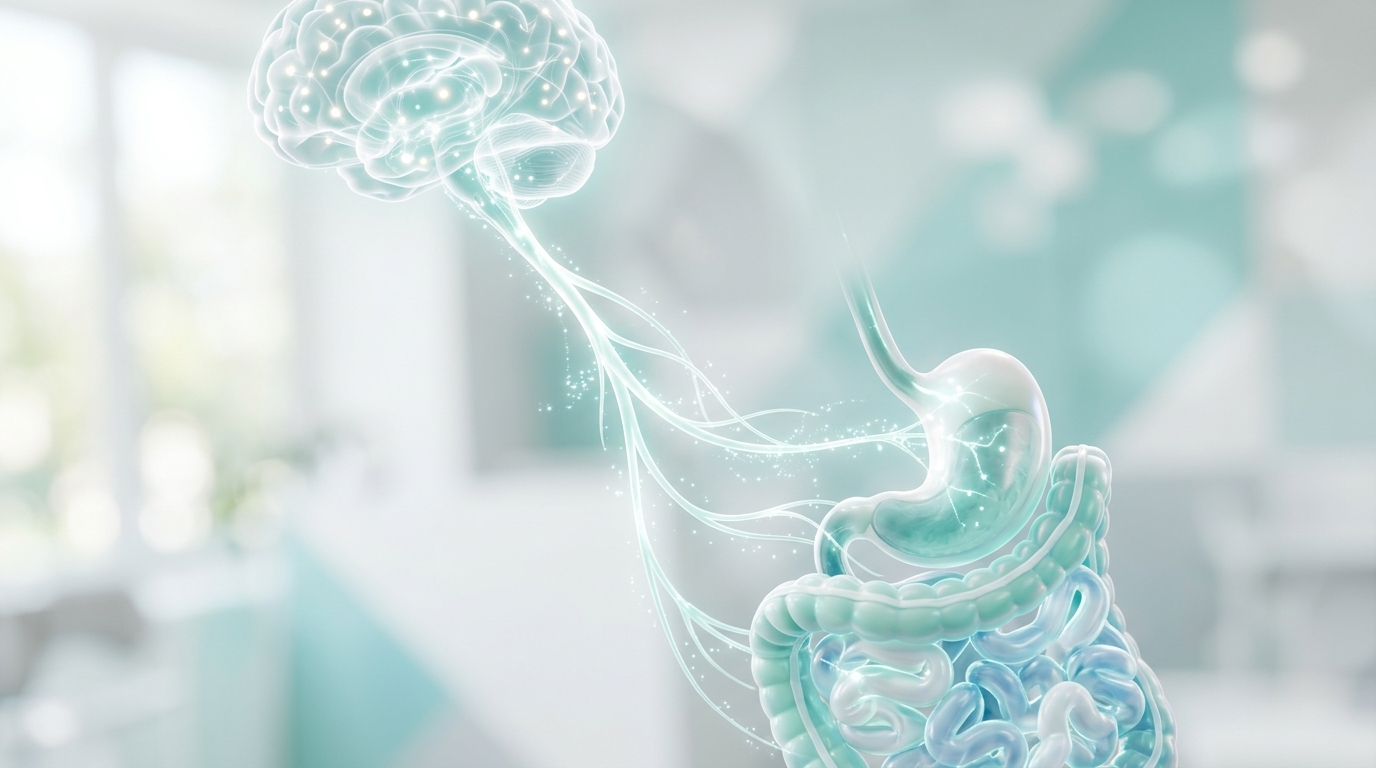
Scientists now understand that your gut and brain are in constant communication through a complex network of nerves, hormones, and biochemical signals. At the center of this communication superhighway sits the vagus nerve, the longest cranial nerve in your body, carrying information bidirectionally between your gut and brain at lightning speed.
The Gut-Brain Highway: Understanding the Connection
90% of vagus nerve traffic flows FROM gut TO brain
Your "Second Brain" — The Enteric Nervous System
Your gut contains the enteric nervous system (ENS)—a collection of 100-500 million neurons embedded in the walls of your digestive tract. This "second brain" can function independently, but it's in constant communication with your primary brain through the vagus nerve.
The ENS controls:
- Digestion and nutrient absorption
- Immune responses in the gut
- Hormone production (including serotonin)
- Inflammation regulation
- Mood and emotional states
The Vagus Nerve: The Information Superhighway
The vagus nerve is the primary communication route between gut and brain. Here's what's remarkable: approximately 90% of the fibers in the vagus nerve carry information FROM the gut TO the brain, not the other way around. Your gut is constantly telling your brain what's happening down there.
"The gut is not like Las Vegas. What happens in the gut doesn't stay in the gut. It tells the brain."
— Dr. Emeran Mayer, Gastroenterologist & Neuroscientist, UCLA
The Microbiome: Your Gut's Control Center
What Is the Gut Microbiome?
Your gut contains approximately 40 trillion bacteria—about 1,000 different species—collectively known as your microbiome. These aren't just passive passengers; they're active participants in your health, producing neurotransmitters, regulating inflammation, and communicating directly with your brain.
How Gut Bacteria Talk to Your Brain
Gut bacteria influence brain function through several pathways:
Certain gut bacteria produce GABA, serotonin, and dopamine—chemicals that regulate mood, anxiety, and happiness.
Gut bacteria regulate immune responses and inflammation throughout the body, including the brain.
Bacteria produce short-chain fatty acids (SCFAs) that stimulate vagus nerve signals to the brain.
Imbalanced gut bacteria (dysbiosis) can trigger systemic inflammation linked to depression and anxiety.
Gut Health and Mental Health: The Science
Depression and the Gut
Research has uncovered startling connections between gut health and depression:
- People with depression show distinctly different gut microbiome profiles compared to non-depressed individuals
- Transferring gut bacteria from depressed humans to rats induces depressive behaviors in the animals
- Probiotic supplementation shows antidepressant effects comparable to medication in some studies
- Patients with irritable bowel syndrome (IBS) have 3x higher rates of depression and anxiety
Anxiety and Digestion
The gut-anxiety connection is equally strong:
- Stress hormones like cortisol directly alter gut microbiome composition
- Gut inflammation triggers anxiety-like behaviors in animal models
- Fermented foods (rich in probiotics) correlate with lower social anxiety
- Vagus nerve stimulation reduces both gut inflammation and anxiety symptoms
Autism and the Gut-Brain Axis
Emerging research suggests gut health plays a role in autism spectrum disorders:
- Children with autism have significantly different gut bacteria profiles
- Gastrointestinal symptoms are 4x more common in autism
- Microbiome interventions show promise for improving both gut and behavioral symptoms
Neurotransmitters Made in Your Gut
Serotonin: The Happiness Hormone
While most people associate serotonin with the brain, 90% of your body's serotonin is actually produced in the gut. Gut bacteria play a crucial role in this production by:
- Converting tryptophan (an amino acid from food) into serotonin
- Regulating serotonin transporters
- Influencing how serotonin receptors function
GABA: The Calming Chemical
Gut bacteria like Lactobacillus and Bifidobacterium produce GABA—your brain's primary calming neurotransmitter. Low GABA levels are associated with anxiety and insomnia.
Dopamine: The Reward Molecule
Approximately 50% of your body's dopamine is produced in the gut. This dopamine influences not only mood but also gut motility and immune function.
8 Ways to Optimize Your Gut-Brain Connection
1. Eat Fermented Foods Daily
Fermented foods introduce beneficial bacteria directly into your gut:
- Yogurt with live cultures
- Kefir (fermented milk drink)
- Sauerkraut and kimchi
- Kombucha
- Miso and tempeh
2. Feed Your Good Bacteria with Fiber
Prebiotic fiber feeds beneficial gut bacteria, helping them thrive:
- Chicory root and Jerusalem artichoke
- Garlic, onions, and leeks
- Bananas (especially slightly green)
- Oats and barley
- Apples and flaxseeds
3. Reduce Inflammatory Foods
Certain foods disrupt gut bacteria and promote inflammation:
- Processed and ultra-processed foods
- Excessive sugar and artificial sweeteners
- Industrial seed oils (soybean, corn, sunflower)
- Excessive alcohol
- Artificial additives and preservatives
4. Manage Stress (It Directly Affects Your Gut)
Stress hormones alter gut permeability ("leaky gut") and change bacterial composition:
- Practice daily meditation or deep breathing
- Exercise regularly
- Get adequate sleep (7-9 hours)
- Consider vagus nerve stimulation techniques
- Spend time in nature
5. Prioritize Sleep
Sleep deprivation negatively affects gut bacteria within 48 hours. Poor sleep also increases cravings for sugar and processed foods—exactly what bad bacteria thrive on.
6. Consider Targeted Probiotics
Different probiotic strains offer different benefits:
- Lactobacillus rhamnosus — anxiety and stress resilience
- Bifidobacterium longum — mood and depression
- Lactobacillus helveticus — cortisol regulation
7. Limit Antibiotics to When Truly Necessary
Antibiotics can disrupt your microbiome for months or even years. When you must take them:
- Take them exactly as prescribed
- Consider probiotics during and after treatment
- Focus on fermented foods during recovery
8. Vagus Nerve Stimulation
Since the vagus nerve is the main communication line between gut and brain, stimulating it can improve both digestion and mental health:
- Deep, slow breathing with extended exhales
- Cold water face immersion
- Gargling with water
- Humming or singing
- Meditation and yoga
The Future: Psychobiotics and Personalized Nutrition
Psychobiotics: Probiotics for Mental Health
Researchers are now developing psychobiotics—probiotics specifically formulated to improve mental health. Early clinical trials show promise for:
- Reducing depression symptoms
- Lowering anxiety
- Improving stress resilience
- Enhancing cognitive function
Personalized Nutrition Based on Microbiome
Companies are developing tests that analyze your unique gut bacteria profile to provide personalized dietary recommendations. Your "perfect diet" may depend on which bacteria dominate your gut.
Key Takeaways
- Your gut and brain are directly connected through the vagus nerve, with 90% of communication flowing from gut to brain.
- 90% of serotonin is produced in your gut, making gut health crucial for mood regulation.
- Gut bacteria produce neurotransmitters including GABA, serotonin, and dopamine.
- Depression and anxiety are linked to gut health—people with these conditions show distinct microbiome profiles.
- Fermented foods introduce beneficial bacteria—aim for 1-2 servings daily.
- Fiber feeds good bacteria—target 30g of fiber daily from diverse sources.
- Stress directly alters gut bacteria—managing stress is essential for gut health.
- Probiotics aren't one-size-fits-all—different strains help with different conditions.
- Vagus nerve stimulation improves both gut function and mental health.
- The future is personalized—soon your diet may be tailored to your unique microbiome.
Disclaimer: This article is for informational purposes only and does not constitute medical advice. Consult with a healthcare provider before making significant changes to your diet or supplement regimen, especially if you have existing health conditions.