The Gut-Brain Superhighway: How Your Vagus Nerve Connects Digestion and Mental Health
The surprising science behind why your gut feelings are real—and why digestive health matters for your brain
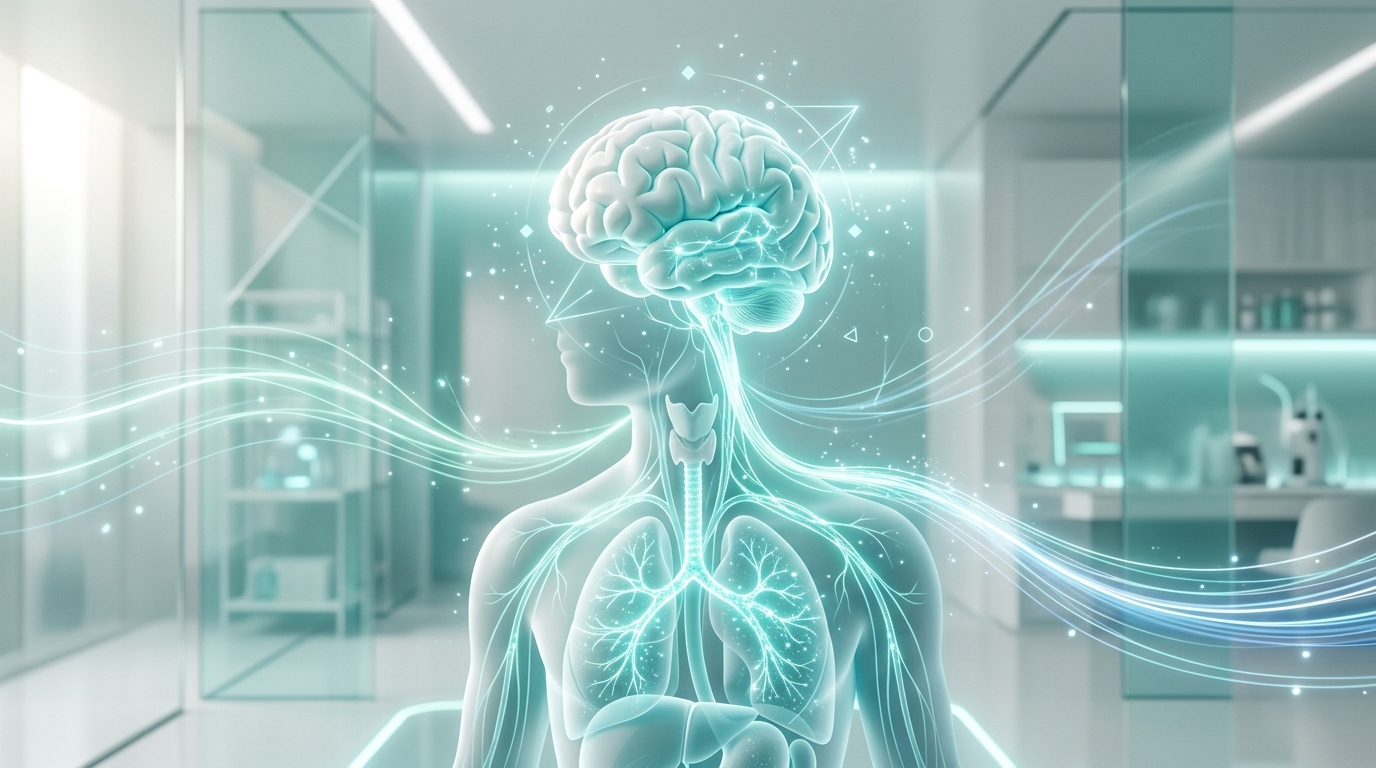
You've probably experienced it: that sinking feeling in your stomach when you're anxious, or the butterflies before a big presentation. We've always known, intuitively, that our gut and brain are connected. But only in the past decade has science revealed the extent of this connection—and the central role of the vagus nerve in making it all possible.
The Second Brain
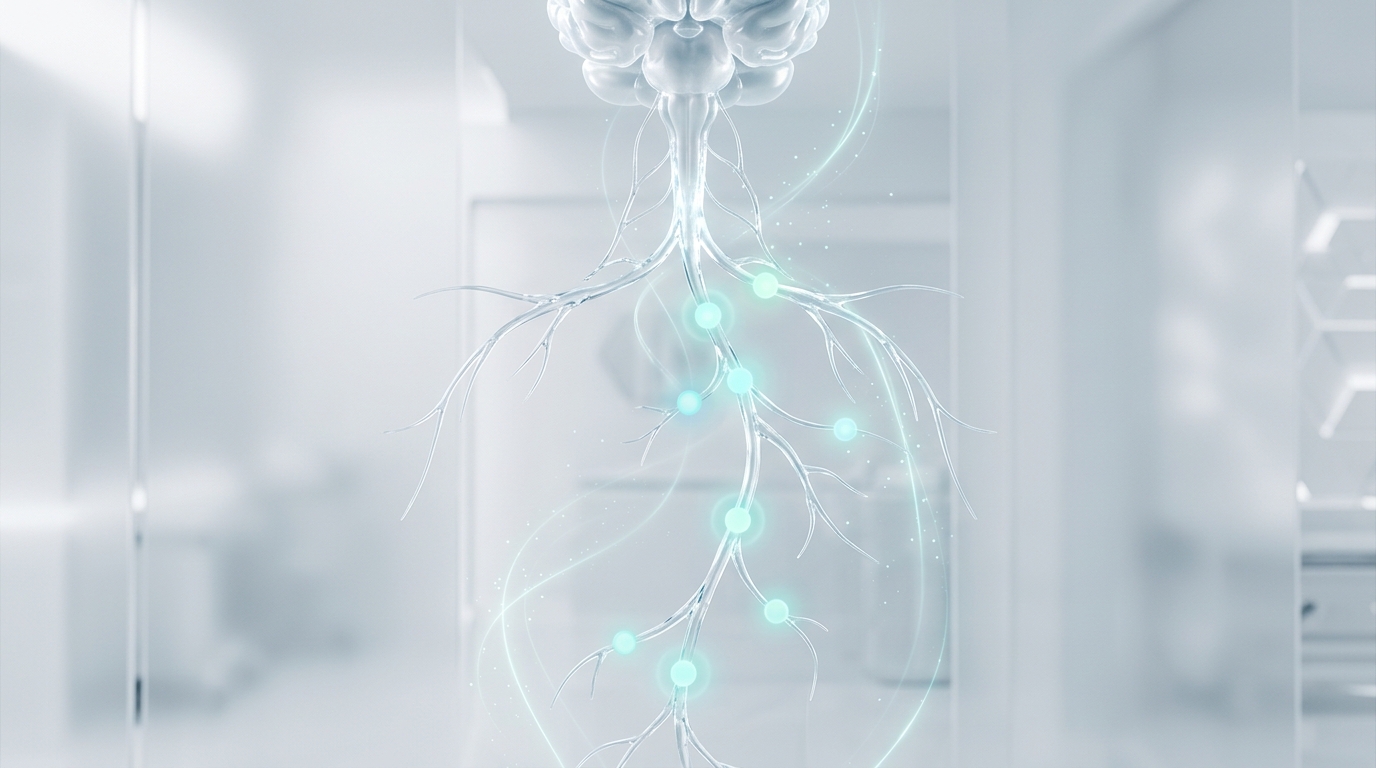
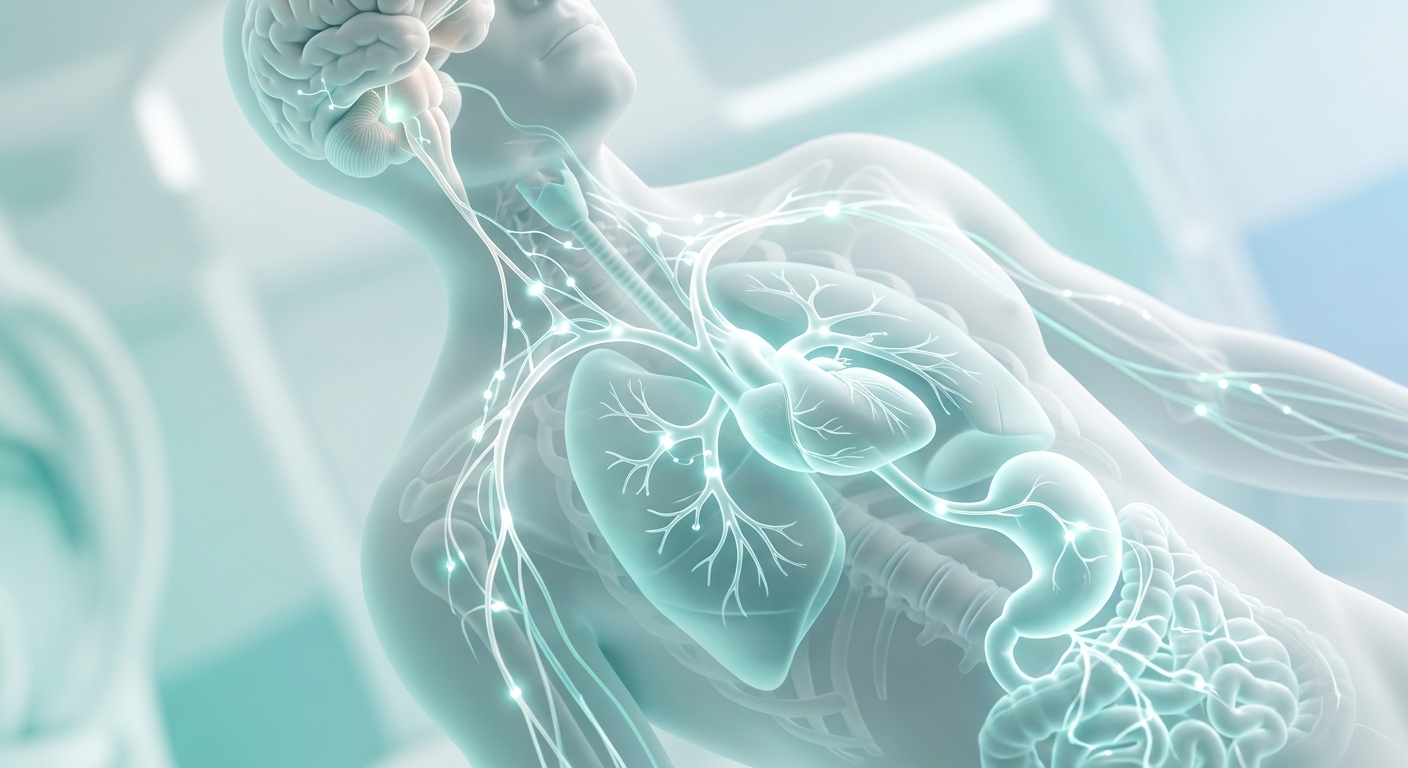
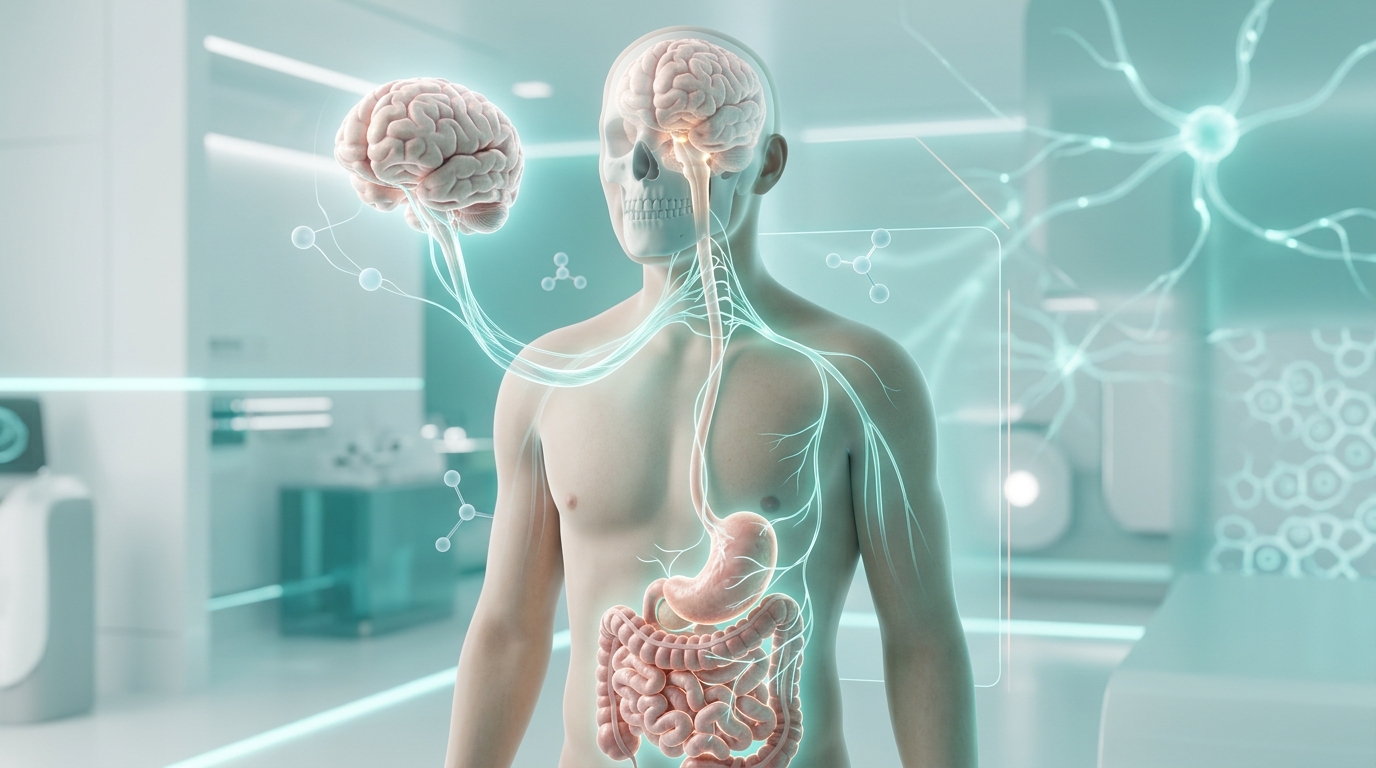
Your gut contains the enteric nervous system—a complex network of 100 million neurons embedded in the walls of your digestive tract. This "second brain" can function independently (controlling digestion, enzyme secretion, gut motility), but it's in constant communication with your first brain through the vagus nerve.
This isn't a one-way street. While we used to think the brain told the gut what to do, we now know the gut sends far more information to the brain than vice versa. That gut feeling? It's your enteric nervous system talking to your brain through the vagus nerve.
How the Vagus Nerve Connects Gut and Brain
The Afferent Highway
The vast majority (80%) of vagus nerve fibers are afferent—carrying sensory information from the gut to the brain. These fibers detect:
- Mechanical signals: Stretch, pressure, distension of the gut
- Chemical signals: Nutrients, pH, osmolarity, toxins
- Hormonal signals: Ghrelin, leptin, GLP-1, CCK
- Immune signals: Cytokines, inflammatory markers
- Microbial signals: Metabolites from gut bacteria
The Efferent Control
The remaining 20% of fibers are efferent—carrying commands from brain to gut. The vagus nerve controls:
- Gastric acid and enzyme secretion
- Stomach muscle contractions (motility)
- Gallbladder contraction and bile release
- Pancreatic enzyme and hormone secretion
- Intestinal peristalsis
- Appetite and satiety signaling
Your gut is the largest sensory organ in your body, with a surface area of 30-40 square meters (about the size of a tennis court). The vagus nerve is the primary pathway bringing all that sensory information to your brain.
The Microbiome Connection
Your gut contains approximately 39 trillion bacteria—more cells than make up your entire body. These microbes don't just help digest food; they produce neurotransmitters, regulate immune function, and communicate with your brain through the vagus nerve.
Microbial Metabolites That Affect the Brain
- Short-Chain Fatty Acids (SCFAs): Butyrate, propionate, and acetate produced by bacterial fermentation of fiber. SCFAs can cross the blood-brain barrier and affect brain function.
- Tryptophan metabolites: Gut bacteria convert tryptophan (an amino acid) into serotonin precursors and other metabolites that influence mood.
- Neurotransmitters: Gut bacteria produce GABA, serotonin, dopamine, and acetylcholine.
- Lipopolysaccharides (LPS): Bacterial products that can trigger inflammation if they leak through the gut barrier.
The Vagus as Translator
The vagus nerve detects these microbial products and signals their presence to the brain. This is how your gut microbiome influences:
- Mood and emotional state
- Cognitive function
- Stress responses
- Appetite and food preferences
- Even personality traits
Mental Health Implications
Depression
People with depression often have altered gut microbiomes:
- Reduced bacterial diversity
- Altered SCFA production
- Increased intestinal permeability ("leaky gut")
- Low-grade inflammation
Probiotics and dietary changes that improve gut health show antidepressant effects in clinical trials. The vagus nerve is the pathway through which these benefits reach the brain.
Anxiety
Irritable bowel syndrome (IBS)—a gut disorder—is highly comorbid with anxiety disorders. Research suggests:
- Vagus nerve hypersensitivity contributes to both conditions
- Gut symptoms can trigger anxiety via vagal afferents
- Anxiety can worsen gut symptoms via vagal efferents
- Vagus nerve stimulation may help both simultaneously
Autism Spectrum Disorder
Gastrointestinal problems affect 50-70% of individuals with autism:
- GI symptom severity correlates with autism severity
- Altered gut microbiome common
- Vagal dysfunction may play a role
- Addressing gut health can improve behavior
Neurodegenerative Disease
Emerging evidence suggests Parkinson's disease may start in the gut:
- Constipation often precedes motor symptoms by decades
- Misfolded proteins (alpha-synuclein) found in gut first
- Vagotomy appears protective in some studies
May travel up vagus nerve to brain ("prion-like" spread)
Hunger, Satiety, and the Brain
The vagus nerve is essential for regulating food intake:
Gut Hormones Signal the Brain
- Ghrelin: "Hunger hormone"—produced in stomach, signals hunger via vagus
- Leptin: "Satiety hormone"—from fat cells, suppresses appetite via vagus
- GLP-1: Slows gastric emptying, increases satiety
- CCK: Released by duodenum in response to fats and proteins, signals fullness
Reward and Food Choice
The vagus nerve carries information about nutrients to the brain's reward centers. This is why:
- Fat and sugar are rewarding (rapid vagal signaling)
- Gut bacteria can influence food cravings
- Vagal blockade can cause weight loss
- Emotional eating involves gut-brain communication
Clinical Applications
Vagus Nerve Stimulation for Gut Disorders
VNS is being investigated for:
- IBS: Modulating hypersensitive gut-brain signaling
- IBD (Crohn's, UC): Anti-inflammatory effects
- Gastroparesis: Improving gastric motility
- Functional dyspepsia: Reducing symptoms
Dietary Interventions
Diet affects mental health through the gut-brain axis:
- Mediterranean diet improves depression
- Fermented foods support healthy microbiome
- Fiber feeds beneficial bacteria
- Omega-3s reduce neuroinflammation
- Probiotics show mental health benefits
Prebiotics and Probiotics
"Psychobiotics" are bacteria that improve mental health:
- Bifidobacterium and Lactobacillus strains most studied
- May work via vagus nerve signaling
- Effects seen in depression, anxiety, stress
- Quality and strain specificity matter
Optimizing Your Gut-Brain Axis
Diet
- Eat diverse plant foods (feed diverse microbiome)
- Include fermented foods (yogurt, kefir, sauerkraut)
- Prioritize fiber (30+ grams daily)
- Limit ultra-processed foods
- Consider targeted probiotics
Stress Management
- Chronic stress damages gut barrier and microbiome
- Meditation and breathing exercises help
- Adequate sleep essential
- Social connection supports both gut and brain
Vagus Nerve Stimulation
- Deep breathing before meals enhances digestion
- Cold exposure may improve gut-brain signaling
- Singing, humming, gargling stimulate vagus
- Meditation strengthens vagal tone
The Future
Research into the gut-brain-vagus axis is exploding:
- Precision microbiome therapies
- Vagus nerve modulation for metabolic and mental health
- Personalized nutrition based on microbiome
- Early detection of neurodegenerative disease via gut
"The gut-brain axis represents one of the most exciting frontiers in medicine. Understanding how the vagus nerve connects these two systems opens doors to treating conditions we never imagined were connected." — Dr. Emeran Mayer, UCLA
Conclusion
The gut-brain axis isn't just a metaphor—it's a physical reality mediated by the vagus nerve. Every day, trillions of signals travel this superhighway, influencing your mood, cognition, appetite, and overall health.
Caring for your gut isn't just about digestion. Through the vagus nerve, it's about caring for your brain. The future of mental health, metabolic health, and even neurological disease treatment may lie in understanding and optimizing this remarkable connection.
• 80% of vagus fibers carry gut information to brain
• Gut microbiome communicates with brain via vagus nerve
• Depression, anxiety, autism linked to gut health
• Gut hormones regulate hunger and satiety through vagus
• Diet, stress management, and vagal toning optimize gut-brain axis
• Probiotics, prebiotics, fermented foods support healthy communication