The Vagus Nerve and Heart Health: Understanding HRV, Blood Pressure, and Cardiac Protection
How your body's master regulator influences cardiovascular function and why vagus nerve stimulation may be the future of heart health
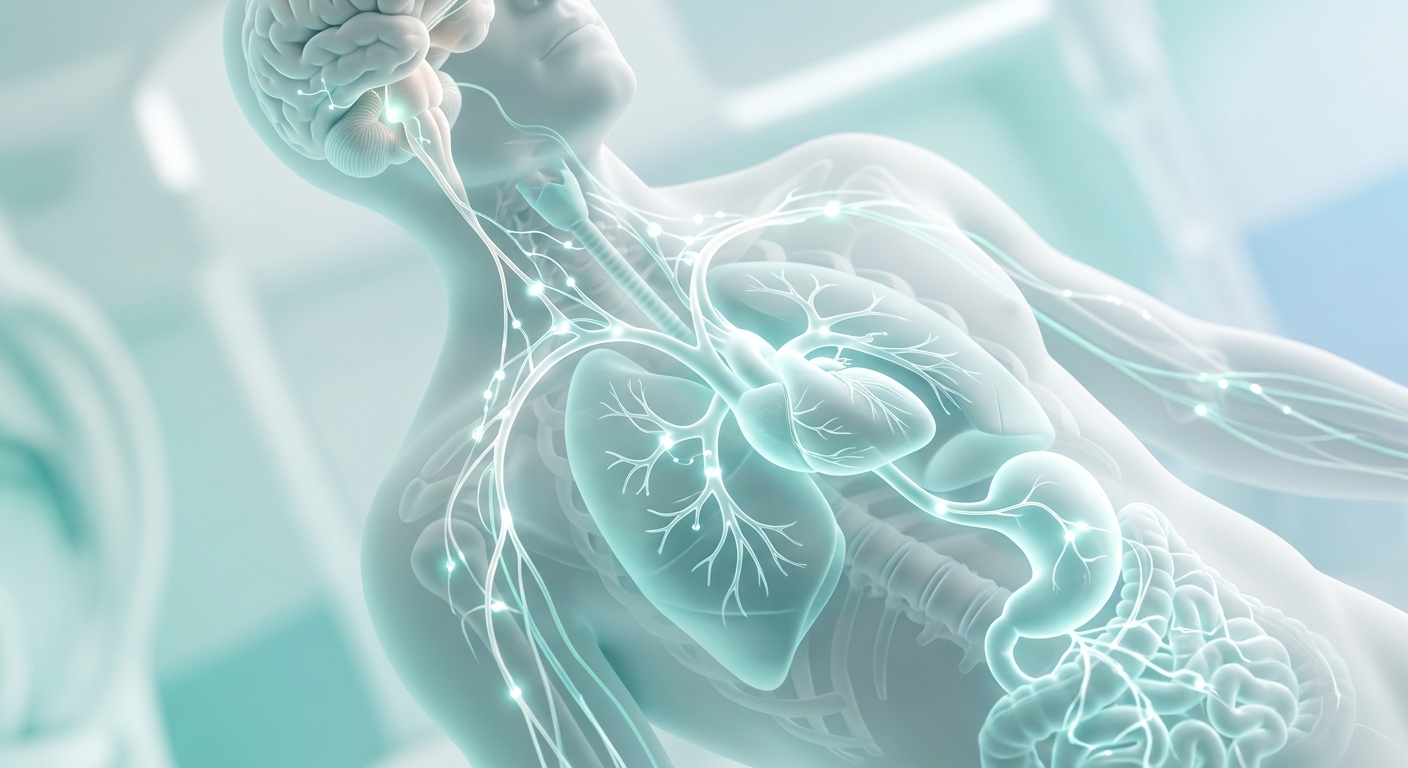
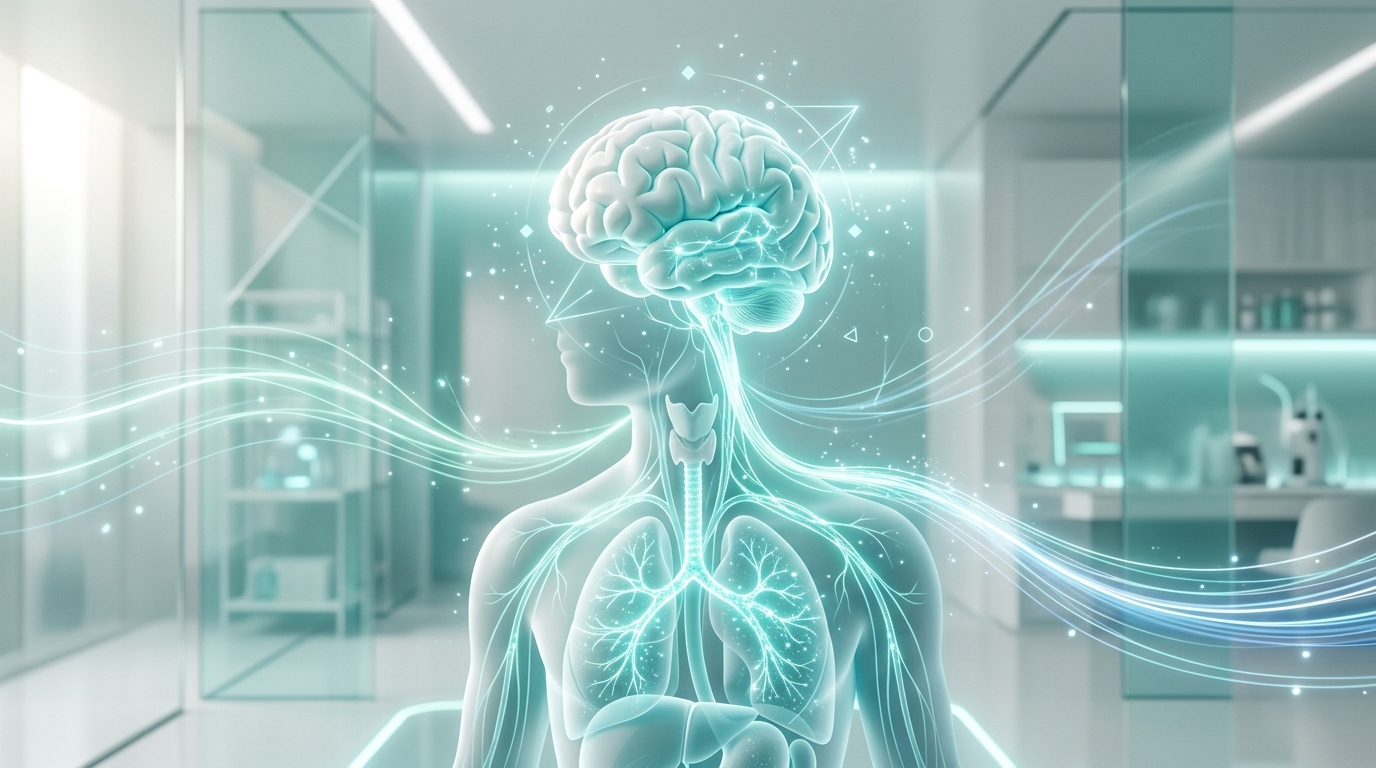
Heart disease remains the leading cause of death worldwide, claiming nearly 18 million lives annually. Despite decades of medical advancement, our approach to cardiovascular health has focused largely on mechanical interventions—stents, bypasses, medications that force blood pressure down or cholesterol levels lower. But emerging research reveals that one of the most powerful determinants of heart health has been hiding in plain sight: the vagus nerve, the longest cranial nerve in your body, which serves as the primary communication line between your heart and brain.
This article explores the profound connection between vagal function and cardiovascular health, explaining how heart rate variability serves as a window into your autonomic nervous system, why left-sided vagus nerve stimulation is used clinically, and how optimizing vagal tone may represent the next frontier in both preventing and treating heart disease.
The Vagus Nerve: Your Heart's Primary Regulator
Parasympathetic Control of Cardiac Function
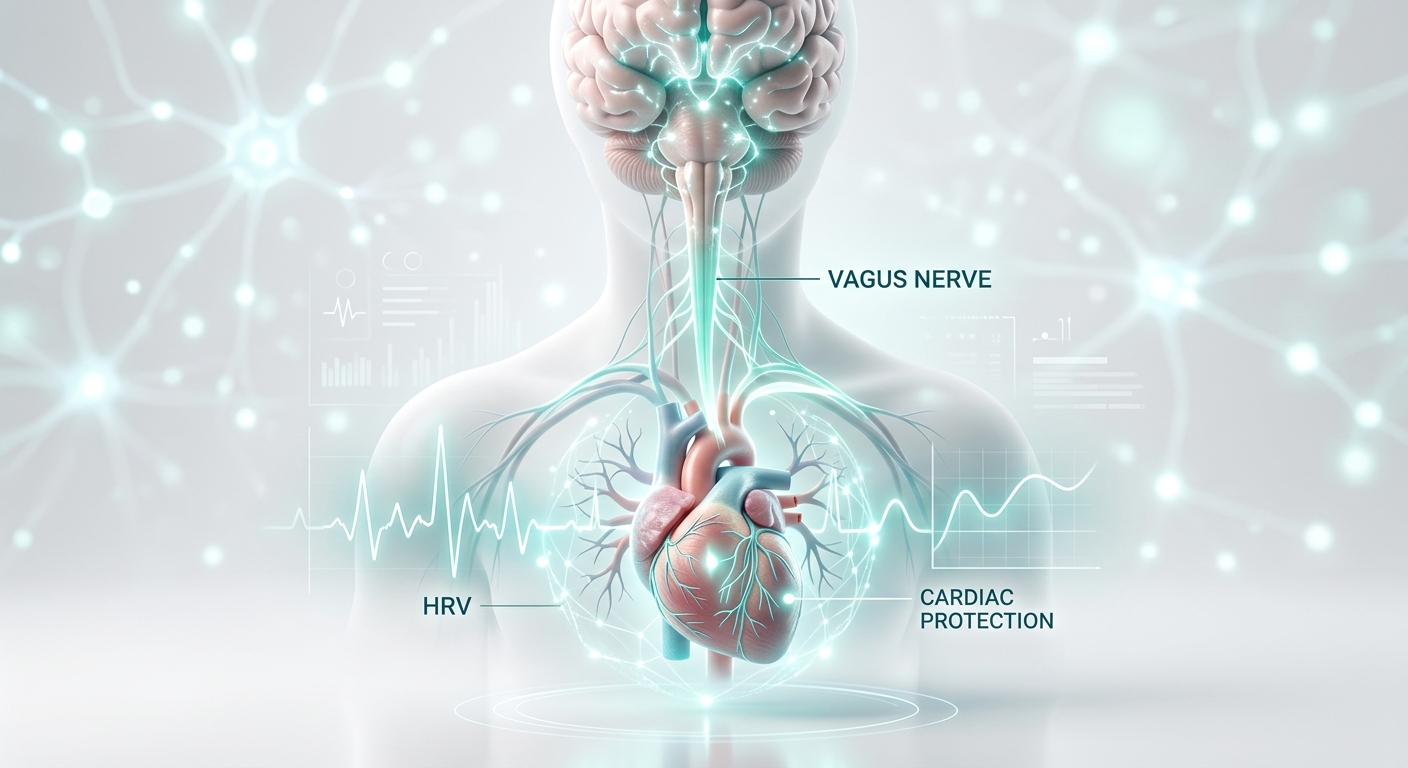
The vagus nerve serves as the main parasympathetic nerve to the heart, providing the "rest and digest" counterbalance to the sympathetic nervous system's "fight or flight" signals. While sympathetic activation speeds the heart and increases contractility, vagal stimulation slows the heart rate, reduces contractile force, and promotes coronary artery dilation.
Through its cardiac branches, the vagus nerve influences:
- Heart Rate: Slowing the sinoatrial node (the heart's natural pacemaker)
- Rhythm: Modulating electrical conduction through the atrioventricular node
- Contractility: Reducing the force of cardiac contraction during rest
- Coronary Blood Flow: Dilating coronary arteries to improve oxygen delivery
- Baroreceptor Sensitivity: Regulating blood pressure responses to position changes
Heart Rate Variability: The Vagus Nerve Report Card
What Is HRV?
Heart rate variability (HRV) measures the variation in time between consecutive heartbeats. While a metronome-like heartbeat might seem ideal, the reality is precisely the opposite: healthy hearts display significant beat-to-beat variability, reflecting the dynamic interplay between sympathetic and parasympathetic influences.
HRV serves as a non-invasive window into autonomic nervous system function. Because the vagus nerve exerts its effects on a beat-to-beat basis, higher HRV indicates stronger vagal tone and better autonomic balance. Conversely, low HRV suggests vagal withdrawal and sympathetic dominance—states associated with poor health outcomes.
HRV as a Health Marker
Research consistently links low HRV to increased risk of:
- Coronary artery disease and heart attacks
- Sudden cardiac death
- Heart failure progression
- Hypertension
- Type 2 diabetes
- All-cause mortality
Beyond cardiovascular conditions, low HRV correlates with:
- Chronic stress and burnout
- Anxiety and depression
- Poor physical fitness
- Inflammation
- Aging and reduced longevity
"HRV is one of the most powerful biomarkers we have. It reflects not just heart health but the integration of multiple physiological systems under autonomic control. Improving HRV through vagal enhancement offers a holistic approach to wellness."
Vagus Nerve Stimulation for Cardiovascular Conditions
Heart Failure
Chronic heart failure involves both mechanical dysfunction and autonomic imbalance, with sympathetic overactivation and vagal withdrawal contributing to disease progression. VNS aims to restore autonomic balance, potentially improving cardiac function, exercise tolerance, and quality of life. While still investigational, early trials show promise for VNS as an adjunctive therapy in heart failure management.
Arrhythmia Management
By modulating the electrical conduction system of the heart, VNS may help prevent certain types of arrhythmias. The nerve's influence on the atrioventricular node makes it particularly relevant for atrial fibrillation and other supraventricular arrhythmias. Research explores whether VNS could reduce the frequency of arrhythmic episodes or improve outcomes when combined with conventional treatments.
Hypertension
The vagus nerve's role in baroreceptor function makes it a logical target for blood pressure regulation. Stimulation can enhance baroreflex sensitivity, improving the body's ability to regulate blood pressure in response to postural changes and stress. While not yet a primary treatment for hypertension, VNS may offer benefits for resistant cases or as part of comprehensive cardiovascular optimization.
Post-Heart Attack Recovery
After myocardial infarction (heart attack), autonomic dysfunction often persists even after mechanical recovery. This vagal impairment increases the risk of subsequent cardiac events. VNS research explores whether restoring vagal tone after heart attack could improve long-term outcomes and prevent recurrence.
Coronary Artery Disease
Beyond direct cardiac effects, vagal stimulation influences vascular function throughout the body. Enhanced parasympathetic tone promotes vasodilation, improves endothelial function, and may reduce atherosclerotic progression—suggesting potential benefits for patients with coronary artery disease.
Why VNS Targets the Left Vagus Nerve
Given that both vagus nerves influence the heart, why do clinicians specifically implant devices on the left side? The answer lies in the asymmetry of cardiac innervation:
- Right Vagus Nerve: Contains more cardiac fibers and has greater influence on heart rate and rhythm. Stimulation here carries higher risk of bradycardia or heart block
- Left Vagus Nerve: Has fewer cardiac projections, making it safer for stimulation while still providing access to the same brainstem pathways that produce therapeutic effects
This anatomical quirk allows clinicians to stimulate the vagus nerve for neurological benefits (epilepsy, depression) while minimizing cardiac side effects. For patients with specific cardiac conditions requiring right-sided stimulation, specialized protocols and careful monitoring can be employed.
Natural Ways to Improve HRV and Vagal Tone
While implanted VNS devices and emerging non-invasive technologies offer powerful tools for vagal modulation, numerous lifestyle approaches can naturally enhance vagal tone and improve HRV:
Breathing Exercises
Slow, diaphragmatic breathing with extended exhales powerfully activates the vagus nerve. The 4-7-8 technique (inhale for 4 counts, hold for 7, exhale for 8) is particularly effective. Practicing for just 10-15 minutes daily can significantly improve HRV within weeks.
Meditation and Mindfulness
Regular meditation practice has been shown to increase baseline HRV and enhance vagal tone. These practices shift autonomic balance toward parasympathetic dominance, reducing the chronic stress that impairs cardiac function.
Cold Exposure
Cold showers, ice water face immersion, or cold plunges activate the mammalian dive reflex, which powerfully stimulates the vagus nerve. This practice not only provides acute HRV improvements but can enhance baseline vagal tone with regular practice.
Exercise
Aerobic exercise is one of the most potent natural HRV enhancers. Regular cardiovascular training improves autonomic balance, cardiac efficiency, and vagal tone. Even moderate activity like brisk walking produces meaningful benefits.
Sleep Optimization
Poor sleep quality and insufficient sleep duration both reduce HRV. Prioritizing 7-9 hours of quality sleep supports normal autonomic function and cardiovascular recovery.
Nutrition
Omega-3 fatty acids, found in fatty fish and certain plant sources, support neural membrane health and may enhance vagal signaling. Mediterranean dietary patterns, which emphasize these nutrients, correlate with improved HRV in research studies.
HRV Tracking: Measuring Your Progress
Modern wearable technology has made HRV tracking accessible to consumers. Smartwatches, fitness trackers, and dedicated HRV monitors can provide daily readings that help assess:
- Overall autonomic health
- Recovery from exercise
- Stress levels
- Sleep quality
- Response to lifestyle interventions
The Future: VNS for Cardiovascular Optimization
While current VNS applications focus primarily on neurological and psychiatric conditions, the cardiovascular benefits are increasingly recognized. Emerging research directions include:
- Preventive Applications: Using VNS or non-invasive alternatives to optimize HRV and reduce cardiovascular risk before disease develops
- Performance Enhancement: Athletes and high-performers using vagal modulation to accelerate recovery and manage training stress
- Heart Rate Variability Biofeedback: Systems that help users learn to consciously increase HRV through breathing and mental techniques
- Closed-Loop Systems: Implanted or wearable devices that monitor HRV and adjust vagal stimulation automatically to maintain optimal autonomic balance
Conclusion
The vagus nerve's influence on cardiovascular health extends far beyond simple heart rate slowing. Through its modulation of rhythm, contractility, coronary flow, and autonomic balance, this neural pathway serves as a master regulator of cardiac function. Heart rate variability offers a window into this regulation, providing a powerful biomarker for cardiovascular risk and a target for therapeutic intervention.
Whether through implanted devices, emerging non-invasive technologies like ultrasound VNS, or natural lifestyle approaches, enhancing vagal tone represents a paradigm shift in cardiovascular care—one that works with the body's natural regulatory systems rather than simply forcing metrics into range with medications.
For anyone concerned about heart health—and given that cardiovascular disease affects nearly half of American adults, that should include everyone—understanding and optimizing vagal function offers a pathway to better health that addresses root causes rather than just symptoms. The vagus nerve isn't just the wandering nerve; for your heart, it may be the most important nerve of all.