The Vagus Nerve Reset: A Complete Guide to Restoring Your Body's Natural Calm
Simple techniques to manually shift your physiology from fight-or-flight to rest-and-digest
Modern life keeps your nervous system stuck in overdrive—cortisol pumping, heart racing, muscles tense—while your body's natural relaxation systems remain underactivated. The vagus nerve reset offers a way to manually shift your physiology from fight-or-flight back to rest-and-digest, using simple techniques that trigger your body's built-in calm response.
Understanding Your Two Nervous Systems
Your autonomic nervous system operates in two primary modes, and most modern humans spend far too much time in the wrong one:
The Sympathetic System: Fight or Flight
When activated, this system prepares your body for immediate physical danger:
- Heart rate and blood pressure increase
- Blood flow diverts from digestion to muscles
- Pupils dilate to take in more visual information
- Stress hormones cortisol and adrenaline flood the system
- Immune function is suppressed
- Reproductive hormones decrease
This response evolved to help us escape predators. The problem? Your body triggers the same cascade when you get a stressful email, sit in traffic, or scroll through anxiety-inducing news.
The Parasympathetic System: Rest and Digest
This is where healing happens, digestion works properly, and your body repairs itself:
- Heart rate slows and blood pressure drops
- Blood flow returns to digestive organs
- Immune function optimizes
- Reproductive hormones normalize
- Tissue repair accelerates
- Mental clarity improves
What Is a Vagus Nerve Reset?
A vagus nerve reset is any practice that intentionally activates the vagus nerve to shift your nervous system into parasympathetic dominance. Think of it as manually flipping a switch from stress mode to relaxation mode.
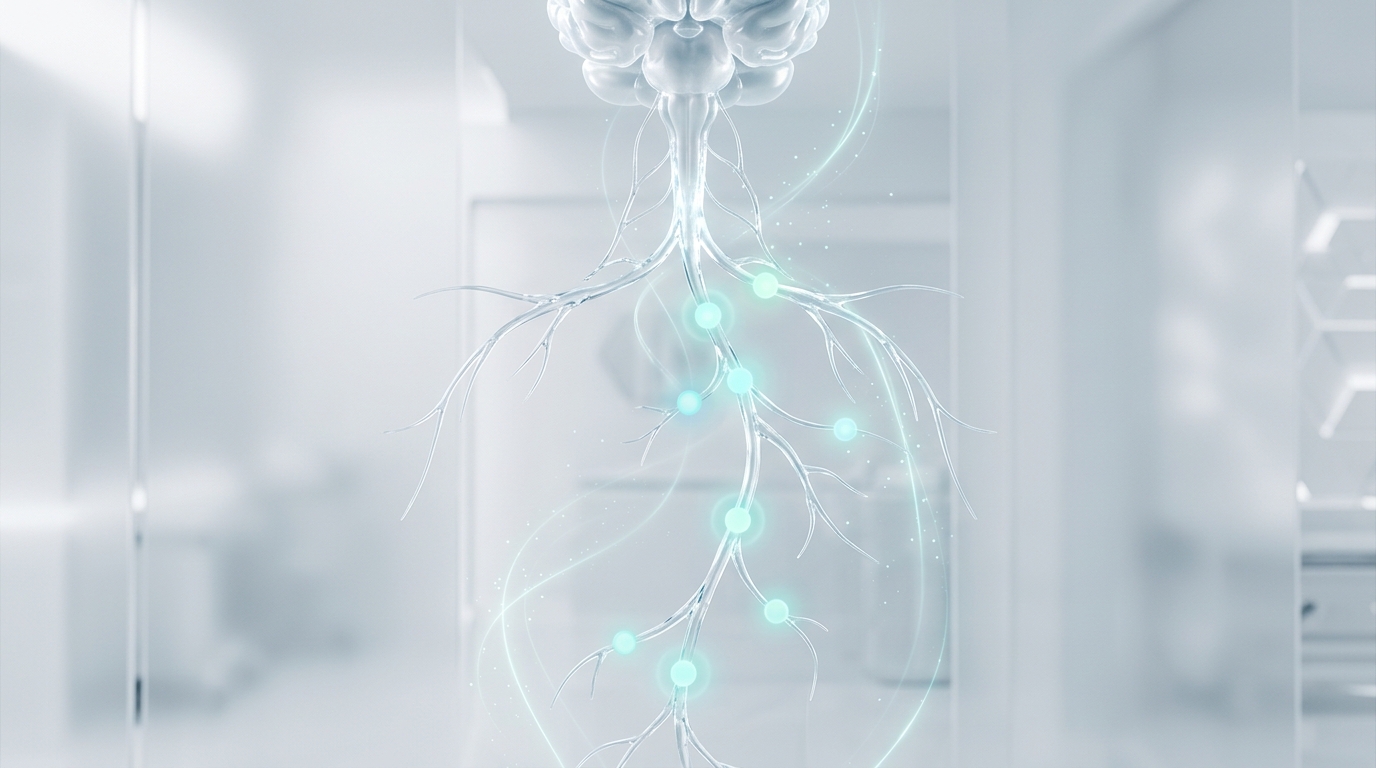
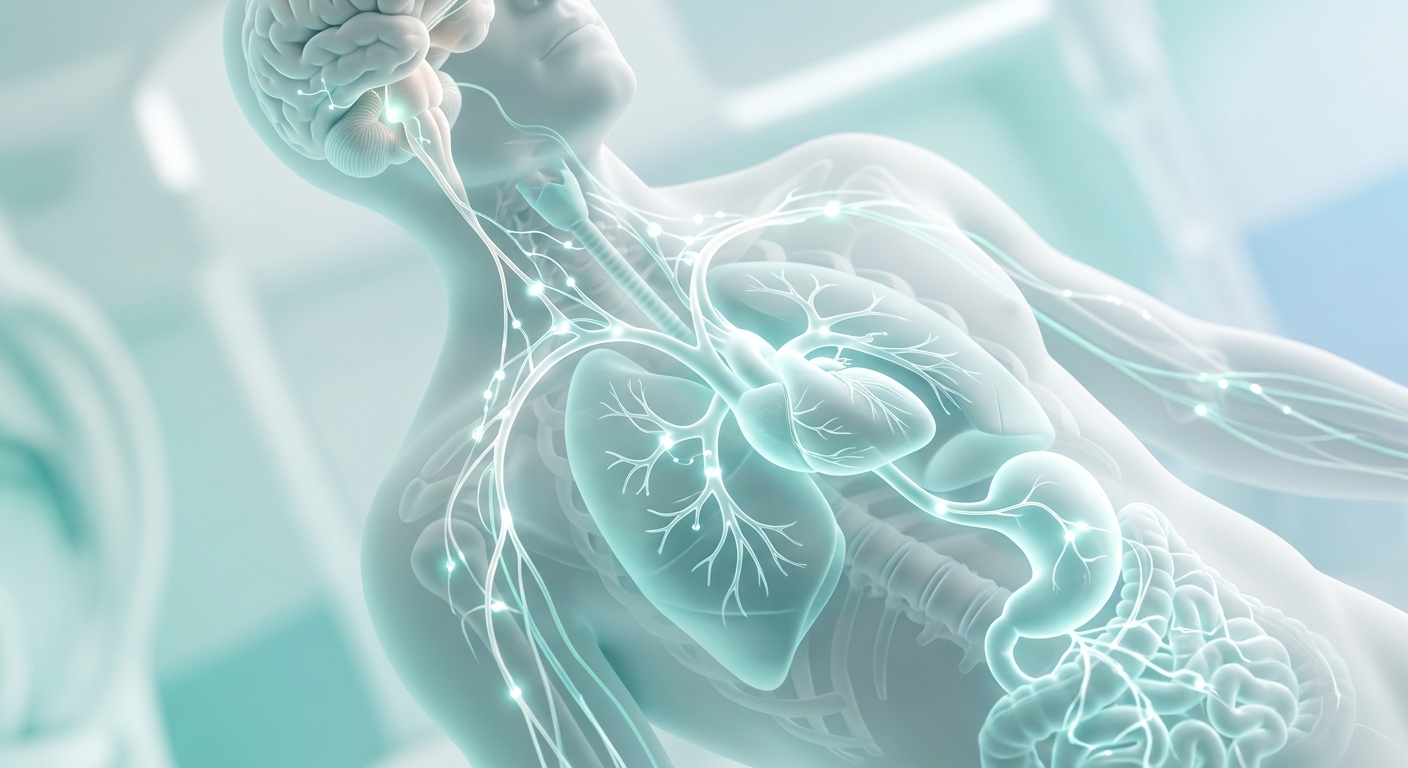
These resets work because the vagus nerve carries sensory information from your body to your brain. When you activate specific receptors in your face, throat, ears, or gut, those signals travel up the vagus to your brainstem, triggering a cascade of calming neurotransmitters and hormones.
The Physiological Sigh: Your Fastest Reset
The most rapid vagus nerve reset was discovered by studying how we naturally sigh when stressed. Stanford neuroscientist Dr. Andrew Huberman popularized this technique, which is now used by Navy SEALs, astronauts, and emergency responders to quickly downregulate stress.
- Take a deep breath in through your nose
- Without exhaling, take a second, shorter breath in to fully inflate your lungs
- Exhale slowly and completely through your mouth with an audible sigh
- Repeat 1-3 times
Why It Works: The double inhale maximally inflates the alveoli in your lungs, while the extended exhale activates the parasympathetic nervous system. Research shows this pattern rapidly reduces heart rate and cortisol levels.
When to Use It: Before entering a stressful meeting, during a panic attack, when you notice your jaw clenching, as part of your bedtime routine, or anytime you feel anxiety building.
Cold Water Immersion: The Mammalian Dive Reflex
Your body has an ancient survival mechanism called the mammalian dive reflex. When cold water hits your face—especially the area around your eyes and nose—your physiology automatically shifts into conservation mode: heart rate drops, blood redirects to vital organs, and the vagus nerve activates powerfully.
The Bowl Method (Most Intense)
Fill a bowl with ice water. Hold your breath and submerge your face for 15-30 seconds. The vagus response is strongest when the water is coldest and the immersion is complete.
The Cold Shower Finish
At the end of your regular shower, turn the water to cold for 30 seconds to 2 minutes. Start with your extremities and work up to your face and chest.
The Cold Water Splash
Splash cold water on your face 5-10 times, or hold a cold, wet washcloth over your eyes and upper cheeks for 30 seconds.
Humming, Singing, and Vocal Vagus Activation
The vagus nerve passes through your larynx (voice box) and innervates the muscles of your throat and vocal cords. This creates a direct pathway: activating these muscles stimulates the vagus nerve.
Humming
Hum at a comfortable pitch for 10-20 breath cycles. The vibration in your throat and face directly activates vagal pathways. Many people find that humming naturally extends the exhalation, which further activates the parasympathetic system.
Chanting "Om"
The sound "Om" or "Aum" creates resonance in the chest and throat that maximizes vagal stimulation. Research on chanting shows measurable increases in heart rate variability.
Singing
Whether in the shower, car, or choir, singing engages the vagus nerve through multiple mechanisms: breath control, vocal cord vibration, and the social connection that often accompanies group singing.
Gargling
Vigorous gargling with warm salt water for 30-60 seconds activates the throat muscles innervated by the vagus nerve. Do this 2-3 times daily for cumulative benefits.
Deep Diaphragmatic Breathing
The way you breathe directly signals your nervous system whether you're safe or in danger. Shallow chest breathing tells your brain that something is wrong, while deep belly breathing signals safety and activates the vagus nerve.
- Place one hand on your chest and one on your belly
- Breathe in slowly through your nose, allowing your belly to expand while keeping your chest relatively still
- Exhale slowly through your nose or mouth, letting your belly fall
- Aim for 6 breaths per minute—inhale for 4 counts, exhale for 6 counts
Why It Works: Diaphragmatic breathing stimulates baroreceptors (pressure sensors) in your blood vessels and lungs. These receptors send signals up the vagus nerve that trigger parasympathetic activation. The slower the breathing, the stronger the vagal response.
The Valsalva Maneuver
Named after Italian physician Antonio Maria Valsalva, this technique increases pressure in your chest cavity, which stimulates the vagus nerve and can slow a racing heart.
- Close your mouth and pinch your nose shut
- Bear down as if having a bowel movement or blowing up a balloon
- Hold the pressure for 10-15 seconds
- Release and breathe normally
Laughter and Social Connection
The vagus nerve doesn't just respond to physical stimulation—it responds to social and emotional experiences. Laughter, in particular, produces robust vagal activation.
Building Your Personal Vagus Reset Protocol
The most effective approach combines multiple techniques throughout your day:
Morning (5 minutes)
- 2 minutes of physiological sigh breathing
- 2 minutes of humming or chanting
- 1 minute of cold water face splash
Midday Check-ins (1-2 minutes each)
- Set phone reminders for 3 times daily
- When reminded, take 3 deep belly breaths
- Do one physiological sigh
- Notice your shoulder position and release tension
Evening Wind-Down (10-15 minutes)
- Gentle movement or yoga
- Extended breathing practice
- Social connection with loved ones
- Gratitude reflection (positive emotion boosts vagal tone)
Bottom Line
Your vagus nerve is the master switch between stress and relaxation, between survival mode and thriving mode. While modern life constantly activates your sympathetic nervous system, you have the power to intentionally activate your parasympathetic system through simple, evidence-based practices.
The vagus nerve reset isn't complicated—it doesn't require special equipment, expensive treatments, or years of training. It requires only that you recognize when you're stuck in stress mode and take deliberate action to shift your physiology back to a state of safety and restoration.