The Vagus Nerve: Your Body's Hidden Superhighway to Health
Meta Description: Discover how stimulating your vagus nerve could be the key to reducing stress, fighting inflammation, and improving your mental health—without medication.Introduction: The Nerve You Didn't Know You Needed
Imagine having a built-in switch that could calm your anxiety, reduce inflammation, improve your digestion, and even lift your mood—all without popping a single pill.
Sounds like science fiction?
It's not.
It's called the vagus nerve, and it's about to become your new best friend.
Named after the Latin word for "wandering" (because of how extensively it travels through your body), this remarkable nerve is the missing link in modern wellness that Big Pharma doesn't want you to know about.
What Is the Vagus Nerve?
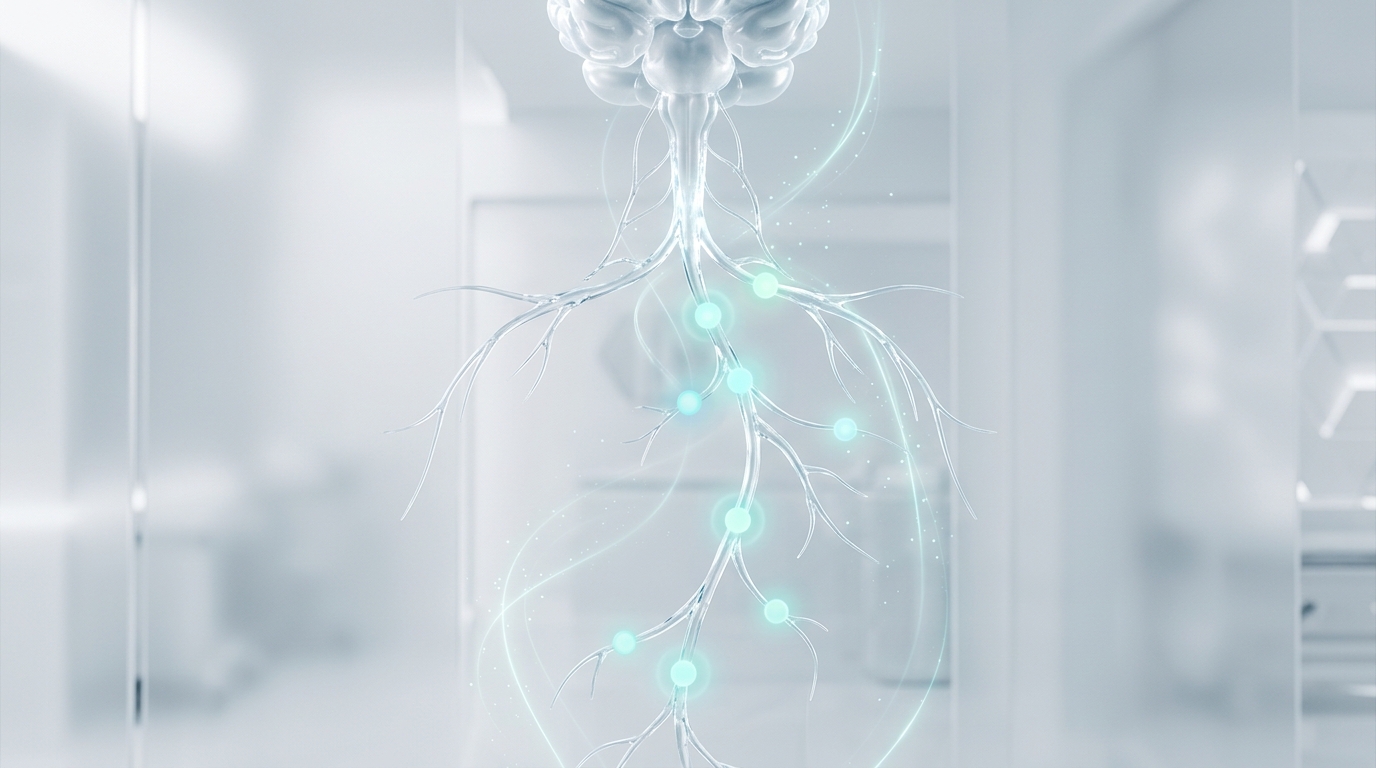
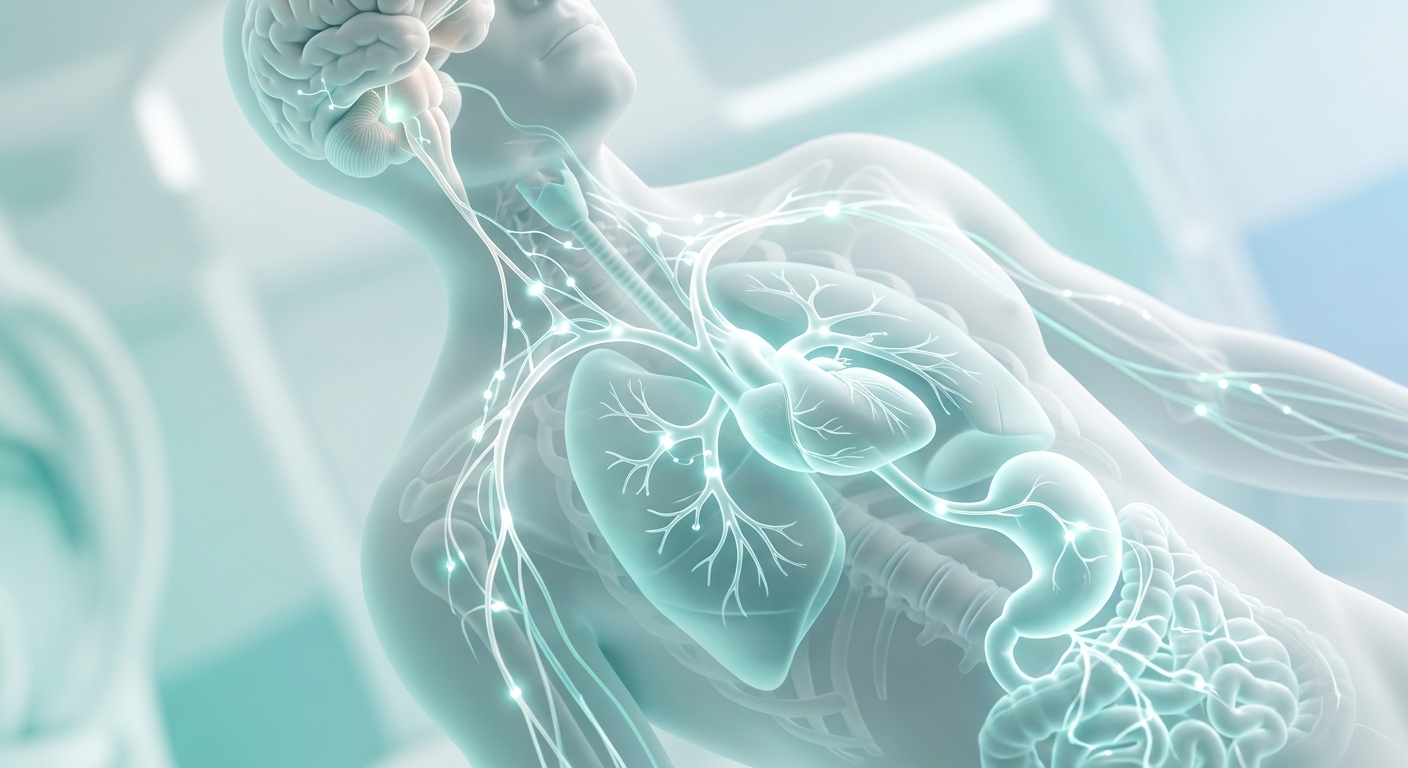
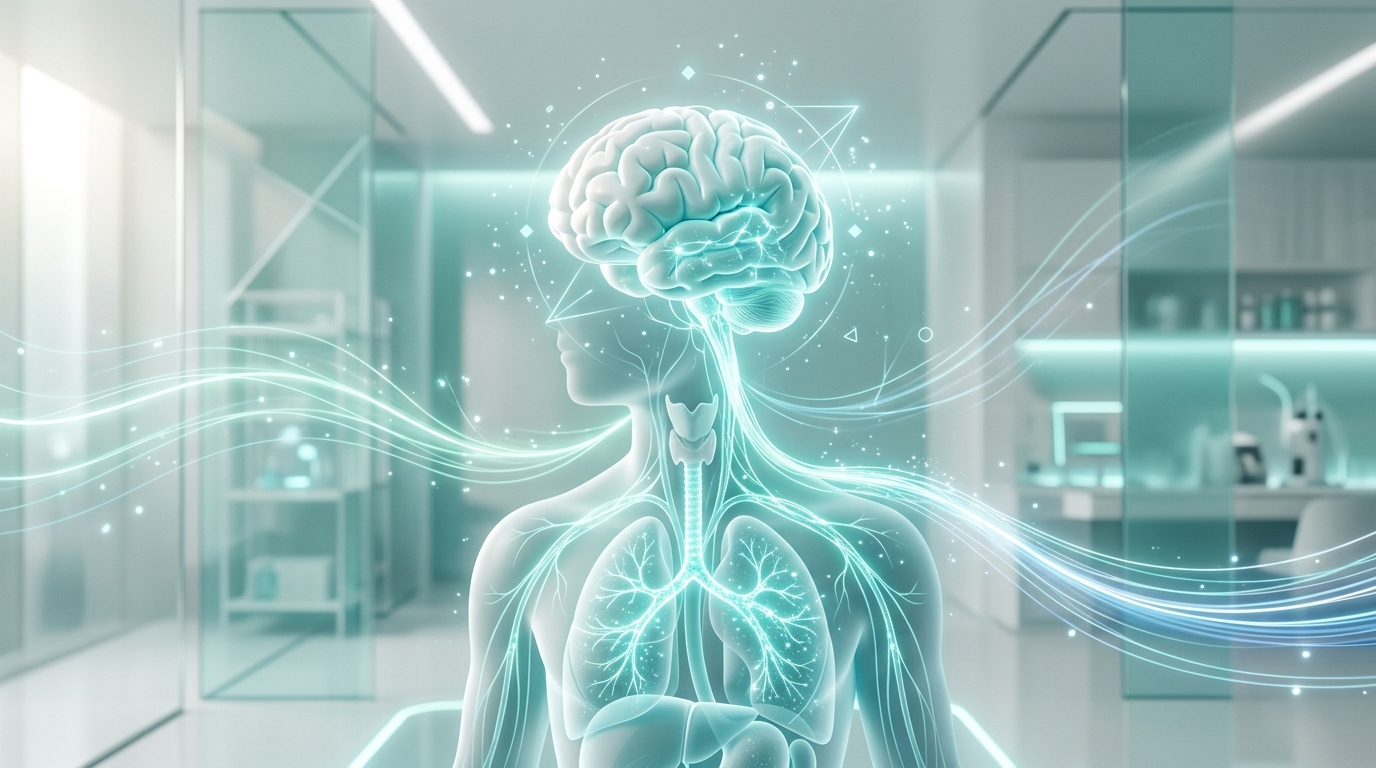
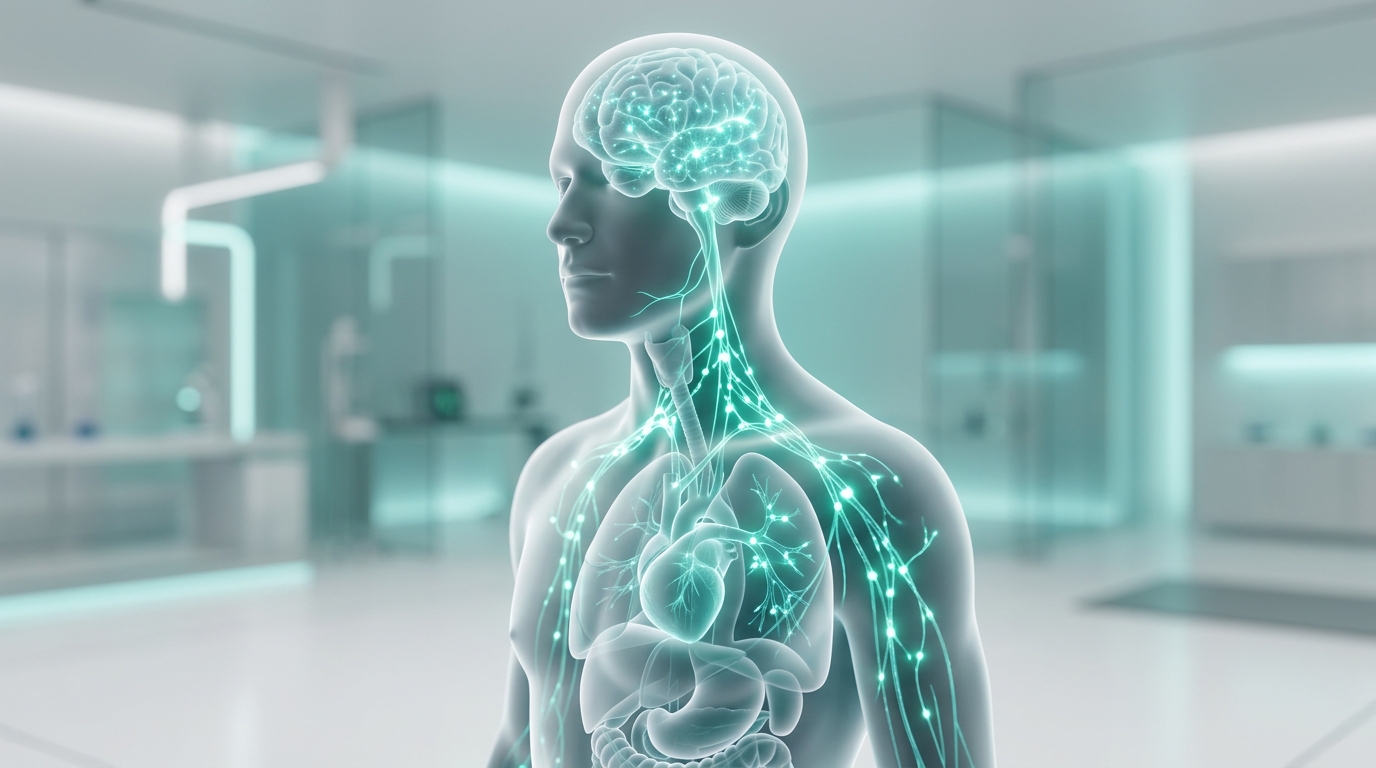
The vagus nerve is the longest and most complex of your 12 cranial nerves. Think of it as the CEO of your nervous system, constantly relaying messages between your brain and virtually every major organ:
- Heart (regulates heart rate and blood pressure)
- Lungs (controls breathing patterns)
- Digestive system (stomach, intestines, liver, pancreas)
- Immune system (modulates inflammation)
- Mood centers (depression, anxiety, stress response)
The Numbers Are Mind-Blowing
- 200,000+ individual nerve fibers make up the vagus nerve
- 80% of signals travel TO the brain (not from it—your body is constantly talking to your brain)
- 18+ inches of neural superhighway from brainstem to gut
- More than half of all deaths worldwide are linked to conditions the vagus nerve can influence
The Discovery That Changed Medicine
In the late 1990s, Dr. Kevin Tracey made a discovery that would revolutionize our understanding of health. While studying inflammation, he found that the vagus nerve acts like a "neural tourniquet"—able to stop runaway inflammation in its tracks.
Here's what happens:
1. When your body detects injury or infection, immune cells release pro-inflammatory cytokines 2. These cytokines cause inflammation (good for healing, bad in excess) 3. The vagus nerve detects this and signals the brain 4. The brain sends signals BACK down the vagus nerve 5. These signals tell the spleen to release acetylcholine 6. Inflammation is suppressed
Dr. Tracey called this the "inflammatory reflex"—your body's built-in anti-inflammatory system.
> "It's like stepping on the brakes in your car. You can slow down the amount of inflammation for patients with chronic inflammatory conditions." > — Dr. Kevin Tracey, Feinstein Institutes for Medical Research
What Happens When Your Vagus Nerve Isn't Working?
When your vagus nerve becomes "sluggish" or underactive—a condition called low vagal tone—your body loses its ability to:
- Calm down after stress
- Regulate inflammation
- Maintain healthy digestion
- Balance mood and emotions
- Control heart rate variability
Symptoms of Low Vagal Tone:
✗ Chronic anxiety and stress ✗ Depression and low mood ✗ Digestive issues (IBS, bloating, acid reflux) ✗ Poor sleep quality ✗ Brain fog and difficulty concentrating ✗ Frequent inflammation and autoimmune flares ✗ High resting heart rate ✗ Low heart rate variability (HRV)
Sound familiar? You're not alone.
7 Science-Backed Ways to Stimulate Your Vagus Nerve (No Device Required)
The good news: you don't need expensive equipment or surgery to stimulate your vagus nerve. Here are proven techniques you can start today:
1. The Physiological Sigh (Navy SEAL Approved)
Used by Navy SEALs and astronauts to stay calm under extreme pressure:
1. Take a deep breath in through your nose 2. Take a second, shorter "top-up" breath in 3. Exhale completely through your mouth with a sigh 4. Repeat 1-3 times
Why it works: The double inhale fully inflates the alveoli in your lungs, and the extended exhale activates the vagus nerve's calming signals.2. 4-7-8 Breathing (The Relaxation Response)
Popularized by Dr. Andrew Weil:
- Inhale through your nose for 4 counts
- Hold your breath for 7 counts
- Exhale through your mouth for 8 counts
- Repeat 4 cycles
3. Cold Water Immersion
You don't need an ice bath (though that works too):
- Splash cold water on your face for 30 seconds
- End your shower with 30-60 seconds of cold water
- Hold an ice pack to your neck/chest area
4. Humming, Singing, and Gargling
The vagus nerve passes through your throat and inner ear. Vibrations stimulate it directly:- Hum your favorite song for 2-3 minutes
- Gargle warm salt water vigorously for 30 seconds
- Practice "Om" chanting (the vibration is perfect for vagal stimulation)
- Sing in the shower or car
5. Deep Diaphragmatic Breathing
Most people breathe shallowly into their chest. Instead:
1. Place one hand on your chest, one on your belly 2. Breathe in slowly through your nose for 6 counts 3. Feel your belly expand (not your chest) 4. Exhale slowly through pursed lips for 8 counts 5. Continue for 5 minutes
Why it works: Slow breathing at 5-6 breaths per minute matches the resonant frequency of your cardiovascular system, maximizing vagal tone.6. Yoga and Tai Chi
These ancient practices combine multiple vagal stimulation methods:
- Deep breathing
- Slow, intentional movement
- Meditation and mindfulness
- Social connection (group classes)
7. Social Connection and Laughter
The vagus nerve is literally called the "love nerve" by some researchers:
- Spend quality time with loved ones
- Practice gratitude journaling
- Watch a funny movie (laughter is powerful vagal medicine)
- Hug someone for 20+ seconds
- Engage in meaningful conversation
The Science of Vagus Nerve Stimulation (VNS)
While DIY methods are effective, medical science has developed targeted VNS therapies:
FDA-Approved Applications:
| Condition | Approval Year | Type | Success Rate | |-----------|--------------|------|--------------| | Epilepsy | 1997 | Implanted | 45% seizure reduction | | Treatment-Resistant Depression | 2005 | Implanted | Significant improvement | | Cluster Headaches/Migraines | 2018 | External | Proven effective | | Stroke Rehabilitation | 2021 | External | Accelerated recovery |
The Accidental Discovery
VNS for depression was discovered by accident. During epilepsy trials, patients reported improved mood—even when seizures continued. When researchers offered to remove the devices, patients refused, saying:
> "No, leave it in. It makes me feel good."
This led to the 2005 FDA approval for treatment-resistant depression.
Current Clinical Trials
Researchers are studying VNS for:
- Rheumatoid arthritis
- Crohn's disease and ulcerative colitis
- Long COVID symptoms
- Chronic fatigue syndrome
- Lupus
- Alzheimer's disease
- Migraine prevention
Consumer VNS Devices: Hype or Hope?
The past 5 years have seen an explosion of consumer vagus nerve stimulation devices:
How They Work:
- Deliver mild electrical pulses via ear clips or neck placement
- Stimulate the vagus nerve through the skin (transcutaneous VNS)
- Used for 10-60 minutes daily
- Apps control intensity and programs
What the Research Says:
Promising findings (2023-2024 studies):- Acute stress reduction in healthy adults
- Anxiety reduction in retired teachers
- Sleep quality improvements in chronic insomnia patients
- Augmented benefits when combined with meditation
- Studies are small (19-68 participants)
- Effects may be milder than implanted devices
- Some benefits may be placebo-influenced
- Not a replacement for medical treatment
Expert Recommendation:
> "I always use vagus nerve stimulation as an adjunct tool. It's never the primary focus. Going for a walk in nature is a great way to get your vagus nerve activated." > — Dr. Mill Etienne, New York Medical College
Can You Measure Your Vagal Tone?
The best biomarker for vagal tone is Heart Rate Variability (HRV)—the variation in time between your heartbeats.
High HRV indicates:
✓ High vagal tone ✓ Better stress resilience ✓ Lower inflammation ✓ Improved cardiovascular health ✓ Better emotional regulationLow HRV indicates:
✗ Low vagal tone ✗ Chronic stress ✗ Higher disease risk ✗ Poor recoveryHow to Track HRV:
- Apple Watch (built-in HRV tracking)
- Oura Ring
- Whoop strap
- EliteHRV app with chest strap
- Most modern fitness trackers
The Bottom Line: Your Vagus Nerve Is Your Secret Weapon
Here's what 25 years of vagus nerve research has taught us:
1. Your body has a built-in anti-inflammatory system—and it's controlled by the vagus nerve 2. Simple daily practices like breathing, cold exposure, and humming can activate it 3. Low vagal tone is linked to anxiety, depression, inflammation, and chronic disease 4. Medical VNS is FDA-approved for epilepsy and depression, with more applications coming 5. Consumer devices show promise but are best as adjuncts to lifestyle practices
The vagus nerve represents a paradigm shift in how we approach health—moving from "take this pill" to "activate your body's natural healing systems."
Action Steps: Start Today
This Week:- [ ] Try the Physiological Sigh when stressed (3x daily)
- [ ] End one shower with 30 seconds of cold water
- [ ] Hum or sing for 5 minutes daily
- [ ] Track your HRV if you have a device
- [ ] Try 4-7-8 breathing before bed each night
- [ ] Practice 10 minutes of diaphragmatic breathing daily
- [ ] Establish a consistent yoga or tai chi practice
- [ ] Consider a consumer VNS device if lifestyle methods aren't enough
- [ ] Consult a healthcare provider about medical VNS if you have treatment-resistant conditions
References
1. Tracey, K.J. (2002). The inflammatory reflex. Nature, 420(6917), 853-859. 2. Feinstein Institutes for Medical Research (2024). Vagus nerve stimulation: How it works, approved uses. 3. Mass General Hospital (2024). The Vagus Nerve: A Key Player in Your Health and Well-Being. 4. National Institutes of Health (2015-2022). SPARC Initiative. 5. Breit, S., et al. (2018). Vagus Nerve as Modulator of the Brain–Gut Axis in Psychiatric and Inflammatory Disorders. Frontiers in Psychiatry.
About the Author: [Your name and credentials] Medical Disclaimer: This article is for educational purposes only and does not constitute medical advice. Consult a healthcare provider before beginning any new health regimen, especially if you have implanted medical devices or underlying health conditions.
Tags: #VagusNerve #VagalTone #Biohacking #StressRelief #Inflammation #MentalHealth #NaturalHealth #BreathingExercises #ColdTherapy