The Vagus Nerve: Your Brain's Hidden Superhighway
Meta Description: Discover how your vagus nerve acts as a superhighway between brain and body, controlling everything from digestion to mood. Learn science-backed ways to optimize this crucial neural pathway.
What Is the Vagus Nerve?
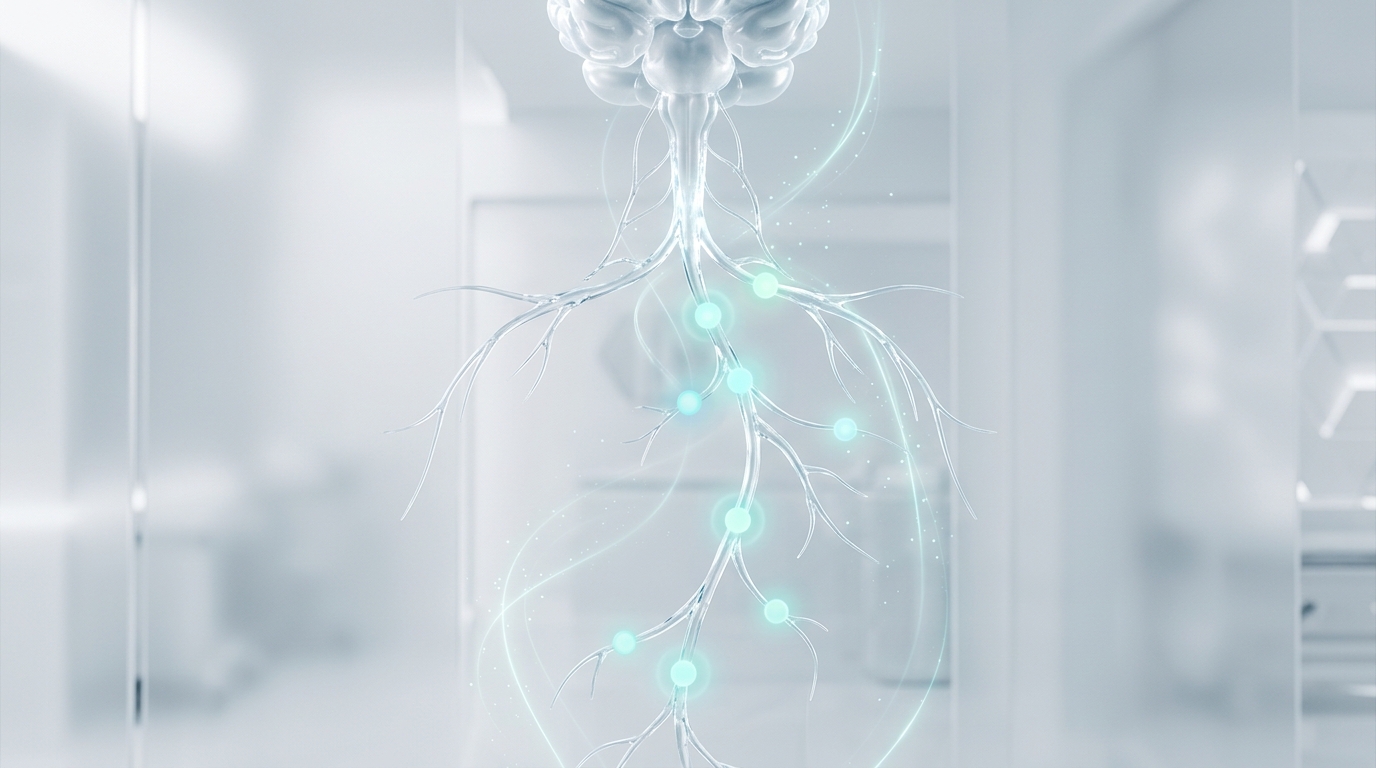
The vagus nerve is the longest and most complex of the 12 cranial nerves that originate in the brain. Its name comes from the Latin word for "wandering"—and for good reason. This remarkable nerve wanders from your brainstem down through your neck, chest, and abdomen, connecting to virtually every major organ along the way.
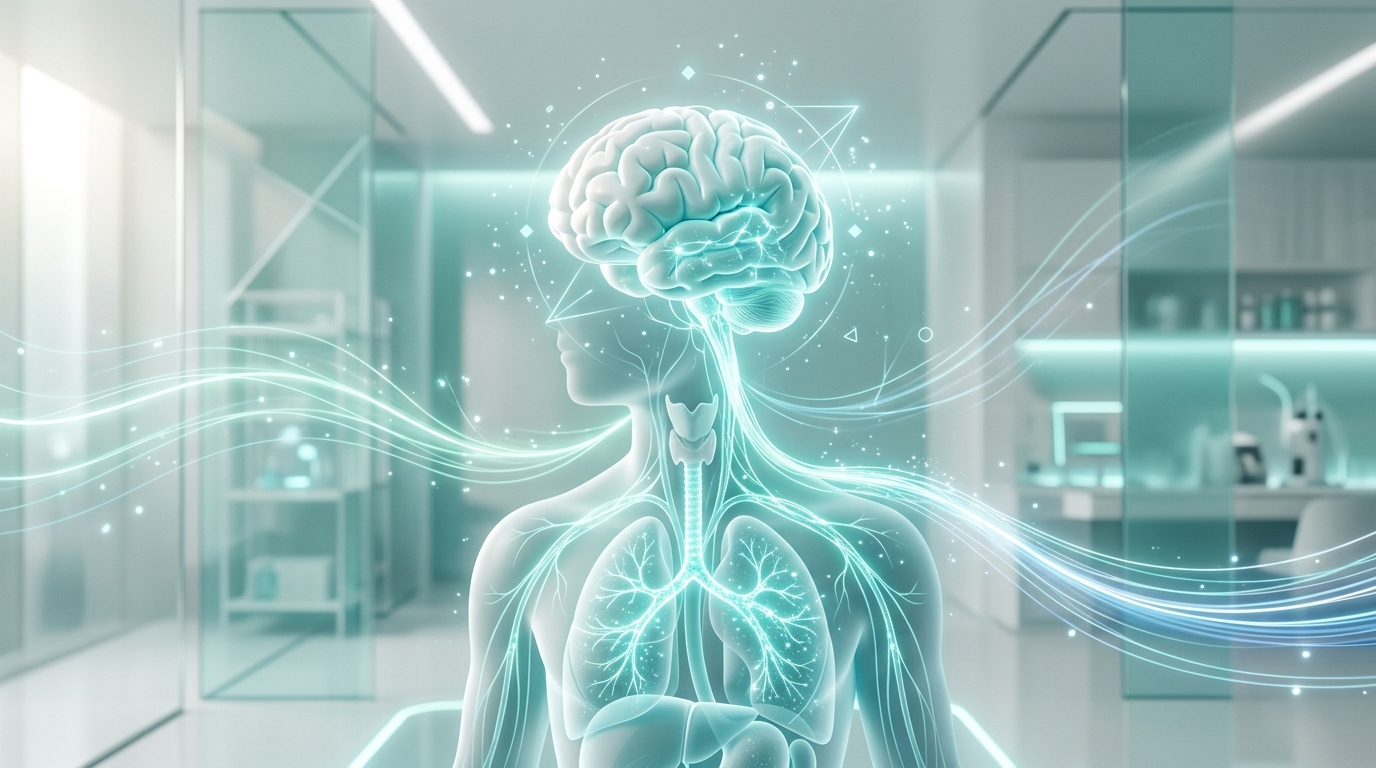
Think of the vagus nerve as a two-way communication superhighway:
- From brain to body: It carries signals that slow your heart rate, control digestion, regulate breathing, and influence immune responses
- From body to brain: It transmits information about what's happening in your organs back to your brain, influencing your mood, stress levels, and overall sense of wellbeing
This bidirectional communication makes the vagus nerve a critical player in the mind-body connection that ancient healing traditions recognized long before modern science.
The Anatomy of Your Body's Superhighway
The vagus nerve (cranial nerve X) originates in the medulla oblongata, a part of the brainstem that controls many automatic functions. From there, it branches into:
Left and Right Vagus Nerves
You actually have two vagus nerves—one on each side of your body. The right vagus nerve primarily serves the heart, while the left vagus nerve influences the gastrointestinal tract. Together, they regulate:
- Heart rate and blood pressure
- Digestion and gut motility
- Respiratory rate
- Immune responses and inflammation
- Speech and swallowing
- Hearing (through connections to the ear)
The Wanderer's Path
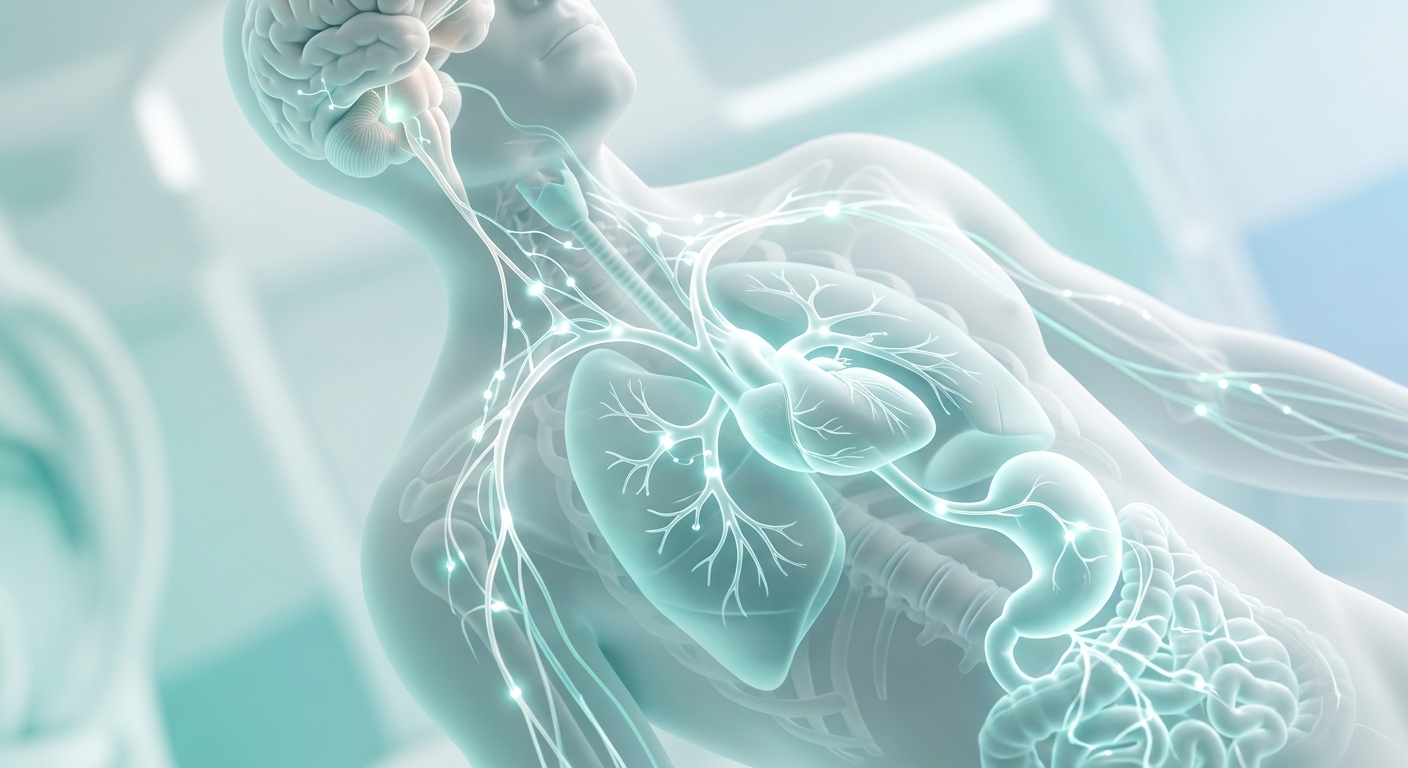
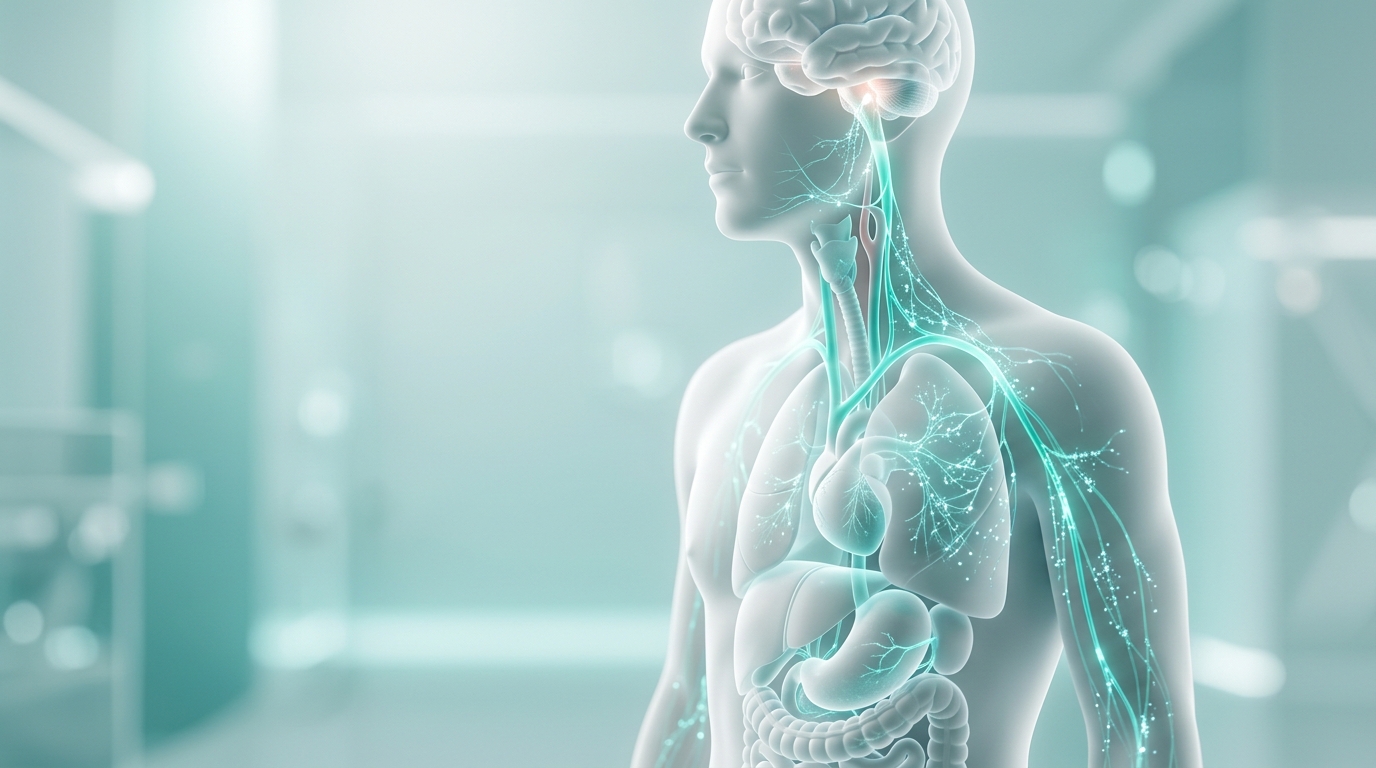
Traveling through the neck, the vagus nerve passes near the carotid artery and jugular vein. In the chest, it forms plexuses (networks) around the heart and lungs. In the abdomen, it connects to the stomach, liver, pancreas, spleen, kidneys, and intestines.
This extensive reach means the vagus nerve influences:
- Cardiovascular function: Slowing heart rate, reducing blood pressure
- Respiratory control: Regulating breathing depth and rate
- Digestive processes: Stimulating stomach acid, enzyme production, and gut movement
- Immune modulation: Controlling inflammation throughout the body
- Emotional regulation: Connecting gut feelings to brain states
The Vagus Nerve and Your Nervous System
To understand why the vagus nerve matters so much, you need to know about your autonomic nervous system (ANS)—the part of your nervous system that controls automatic functions like heartbeat and digestion.
The Two Branches of Your ANS
Your autonomic nervous system has two branches that work like a seesaw:
The Sympathetic Nervous System (SNS) — Your "fight or flight" response:
- Speeds up heart rate
- Increases blood pressure
- Diverts blood from digestion to muscles
- Releases stress hormones like cortisol and adrenaline
- Prepares you for action
The Parasympathetic Nervous System (PNS) — Your "rest and digest" response:
- Slows heart rate
- Lowers blood pressure
- Stimulates digestion
- Promotes healing and recovery
- Calms the mind and body
The vagus nerve is the primary component of your parasympathetic nervous system. When your vagus nerve is active and healthy, it helps shift you out of stress mode and into healing mode.
Vagal Tone: A Measure of Resilience
Researchers measure vagus nerve function through something called vagal tone—the activity level of your vagus nerve. Higher vagal tone is associated with:
- Better emotional regulation
- Faster recovery from stress
- Improved digestion
- Reduced inflammation
- Lower risk of cardiovascular disease
- Better mental health outcomes
Low vagal tone, on the other hand, is linked to:
- Chronic stress and anxiety
- Depression
- Digestive problems
- Inflammatory conditions
- Heart disease risk
The good news? Vagal tone isn't fixed—you can improve it through specific practices.
The Vagus Nerve-Brain Connection
Recent research has revealed fascinating connections between the vagus nerve and brain health:
The Gut-Brain Axis
Your gut contains millions of neurons—so many that scientists call it your "second brain." The vagus nerve carries signals between this gut brain and your head brain:
- Gut bacteria produce neurotransmitters that affect mood
- About 90% of your serotonin (a key mood regulator) is made in the gut
- The vagus nerve transmits these chemical signals upward
- This explains why digestive issues and mental health problems often occur together
Neuroplasticity and Vagal Stimulation
Vagus nerve stimulation can actually change brain structure and function. Studies show it:
- Increases production of brain-derived neurotrophic factor (BDNF)—a protein that helps neurons grow and connect
- Enhances neuroplasticity, the brain's ability to reorganize and adapt
- Reduces activity in brain regions associated with anxiety and fear
- Improves focus, memory, and cognitive function
Medical Applications of Vagus Nerve Stimulation
The medical community has developed several vagus nerve stimulation (VNS) therapies:
Surgical VNS
An implanted device delivers electrical impulses to the vagus nerve. FDA-approved for:
- Treatment-resistant epilepsy
- Depression that hasn't responded to medication
- Long-term studies show sustained benefits
Non-Invasive VNS
Newer techniques stimulate the vagus nerve through the skin:
- Transcutaneous auricular VNS (taVNS): Stimulates the ear branch of the vagus nerve
- Cervical transcutaneous VNS: Targets the nerve in the neck
- Devices available for home use, though research is ongoing
Biofeedback and Monitoring
Heart rate variability (HRV) biofeedback uses vagal tone as a training metric. By learning to increase HRV, people can:
- Reduce anxiety and stress
- Improve athletic performance
- Enhance emotional resilience
- Support overall health
Key Takeaways
- The vagus nerve is your body's longest cranial nerve, connecting brain to heart, lungs, digestive system, and immune organs
- It serves as the primary pathway of your parasympathetic "rest and digest" nervous system
- Vagal tone—a measure of vagus nerve activity—correlates with physical and mental health
- The vagus nerve enables two-way communication between gut and brain, influencing mood, digestion, and immunity
- Vagus nerve stimulation therapies show promise for epilepsy, depression, and other conditions
- Simple lifestyle practices can improve vagal tone and overall wellbeing
Source: Adapted from research by Cedars-Sinai Medical Center