Ultrasound Vagus Nerve Stimulation: The Non-Invasive Anxiety Treatment You Need to Know About
New 2024 research reveals how focused ultrasound could replace medications for anxiety disorders
Anxiety disorders affect nearly one in five American adults, making them the most prevalent mental health condition in the United States. Yet only 43.2% of people with anxiety receive adequate treatment, leaving millions to struggle with symptoms that interfere with work, relationships, and quality of life.
The standard treatments—talk therapy and medication—have significant limitations. Therapy requires months of commitment with uncertain outcomes. Medications often come with complex side effects that many find intolerable. For the millions who don't respond to these approaches, options have been limited. Until now.
Breakthrough research published in Frontiers in Psychiatry in October 2024 reveals a promising new approach: ultrasound stimulation of the vagus nerve. This non-invasive, low-cost treatment modality is showing remarkable potential for addressing anxiety without the drawbacks of traditional interventions.
The Anxiety Epidemic: Understanding the Scope
According to the Diagnostic and Statistical Manual of Mental Disorders (DSM-5), anxiety disorders include social anxiety, generalized anxiety disorder, specific phobias, panic disorder, and others. The National Alliance on Mental Illness reports that generalized anxiety disorder alone affects 3.1% of US adults.
But the impact extends far beyond emotional distress. Mental disorders account for greater economic costs than chronic somatic diseases like cancer or diabetes. In 2020, the global direct economic costs of mental disorders reached approximately $6.5 trillion. These costs include not just direct medical expenses but also lost productivity, reduced quality of life, and the burden on families and caregivers.
What Is Ultrasound Vagus Nerve Stimulation?
Vagus nerve stimulation (VNS) is already FDA-approved for epilepsy and has shown benefits for other conditions. However, traditional VNS requires surgical implantation of a device and regular maintenance. This has limited its adoption for anxiety treatment.
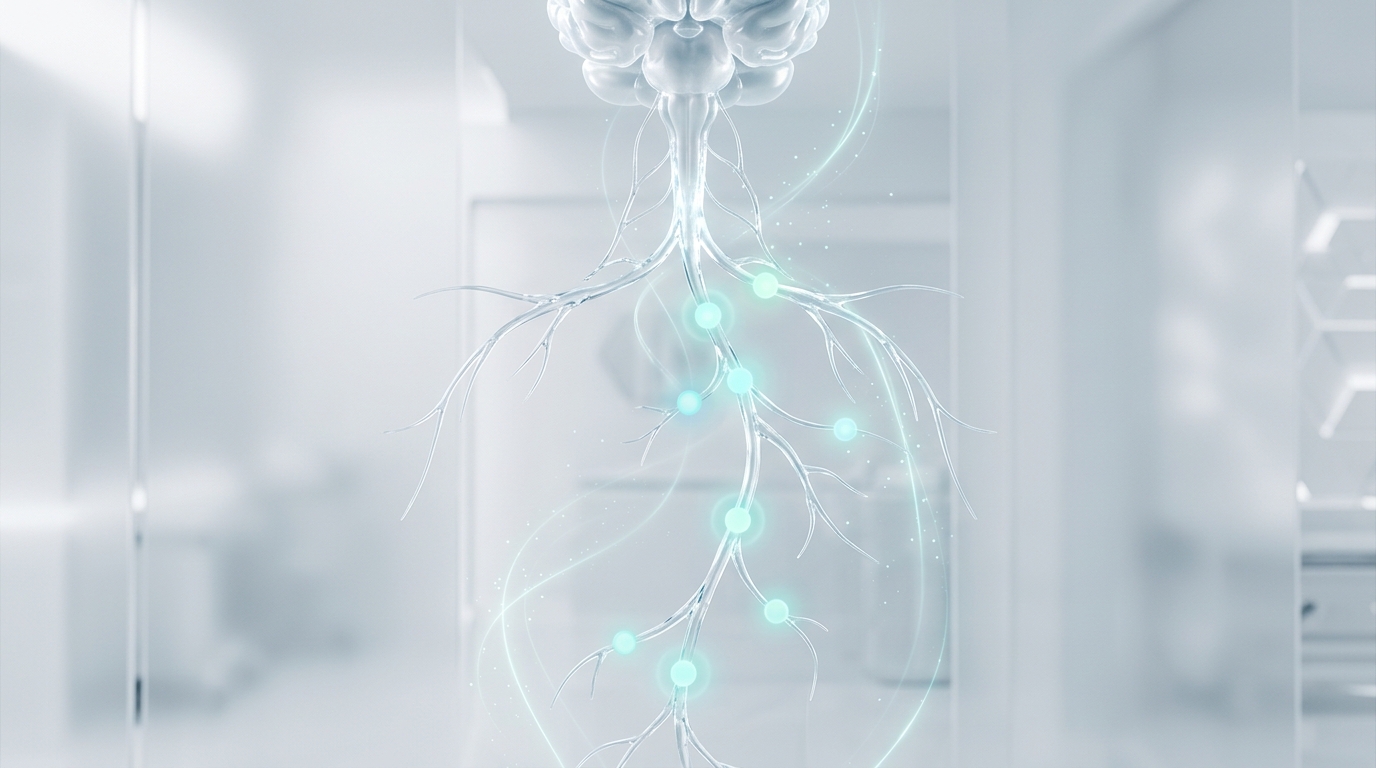
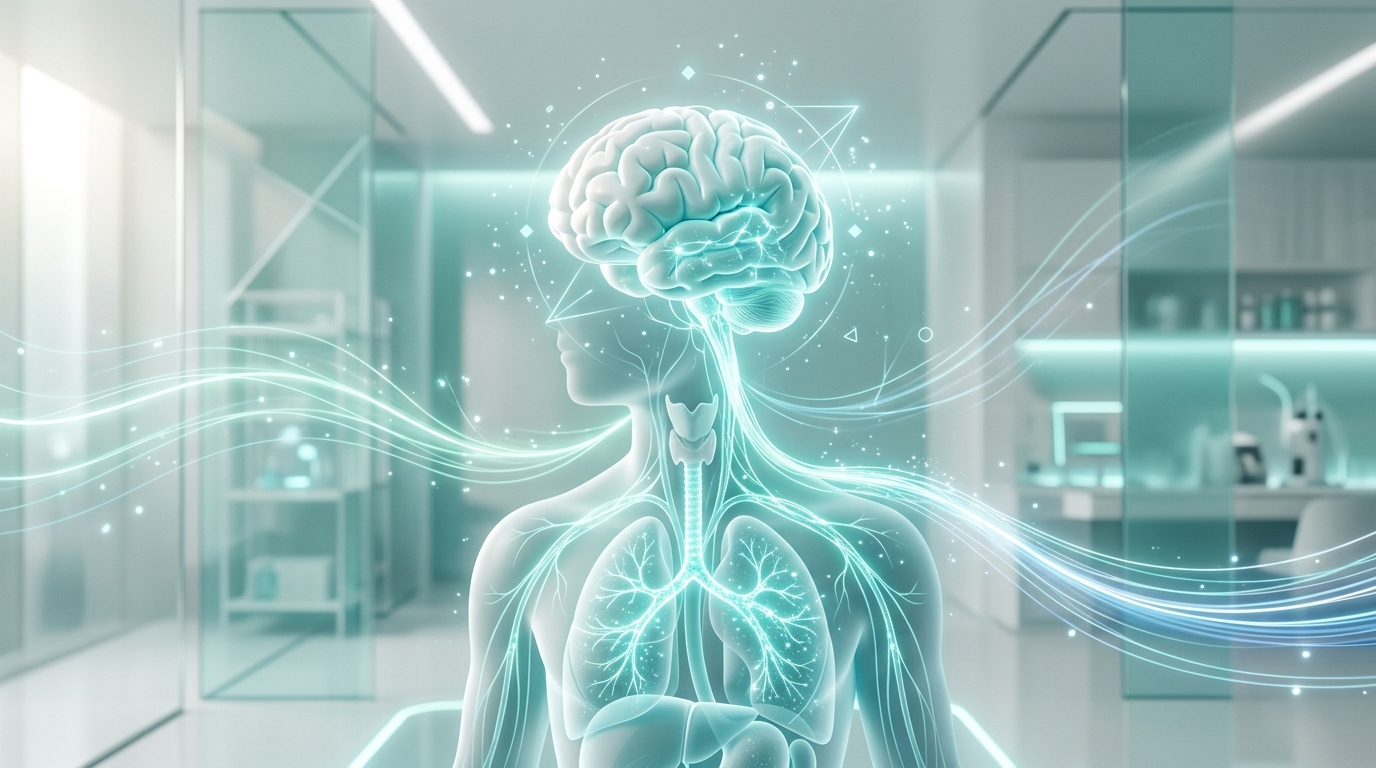
Ultrasound VNS represents a paradigm shift. Instead of implanted electrodes, this approach uses focused ultrasound waves to stimulate the vagus nerve through the skin—no surgery required.
- Focused ultrasound delivers precise acoustic energy to the vagus nerve
- The mechanical stimulation activates neural pathways
- Signals travel to the brainstem's nucleus tractus solitarius
- Cascading effects calm the amygdala and reduce anxiety responses
- No implanted device, no surgery, no maintenance
The 2024 Research: What the Science Shows
The landmark study published in Frontiers in Psychiatry reviewed multiple investigations into ultrasound stimulation effects on the vagus nerve. The findings are encouraging:
- Preliminary positive results in affecting vagal activity
- Minimal drawbacks compared to surgical VNS or medications
- Non-invasive delivery eliminates surgical risks
- Low cost compared to implanted devices
- No drug side effects or interactions
Unlike antidepressants, which can take weeks to show effects and often cause weight gain, sexual dysfunction, or emotional blunting, ultrasound VNS works through the body's natural neural pathways without chemical intervention.
Why the Vagus Nerve Matters for Anxiety
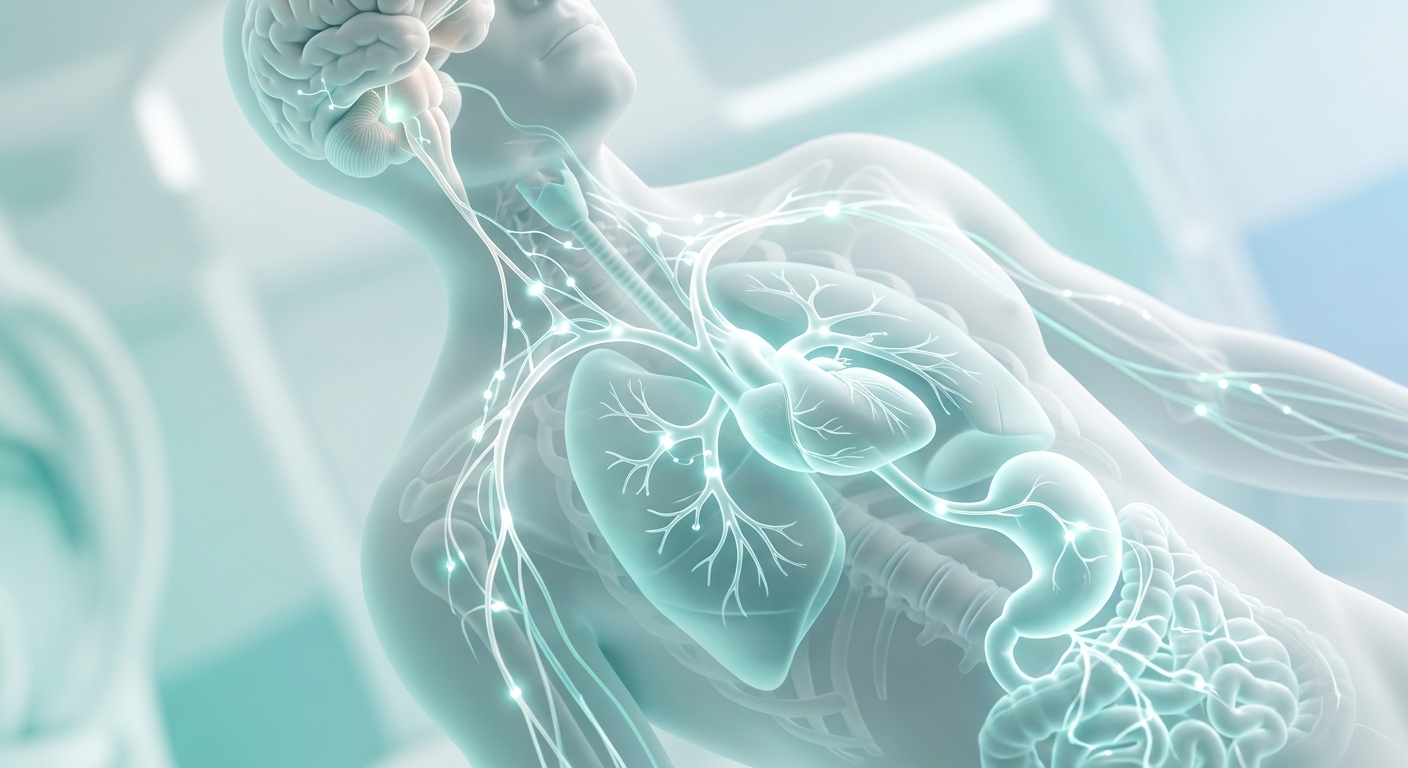
The vagus nerve is the primary communicator between your body and brain. It carries information about your internal state to brain regions that regulate emotion, including the amygdala—your brain's fear center.
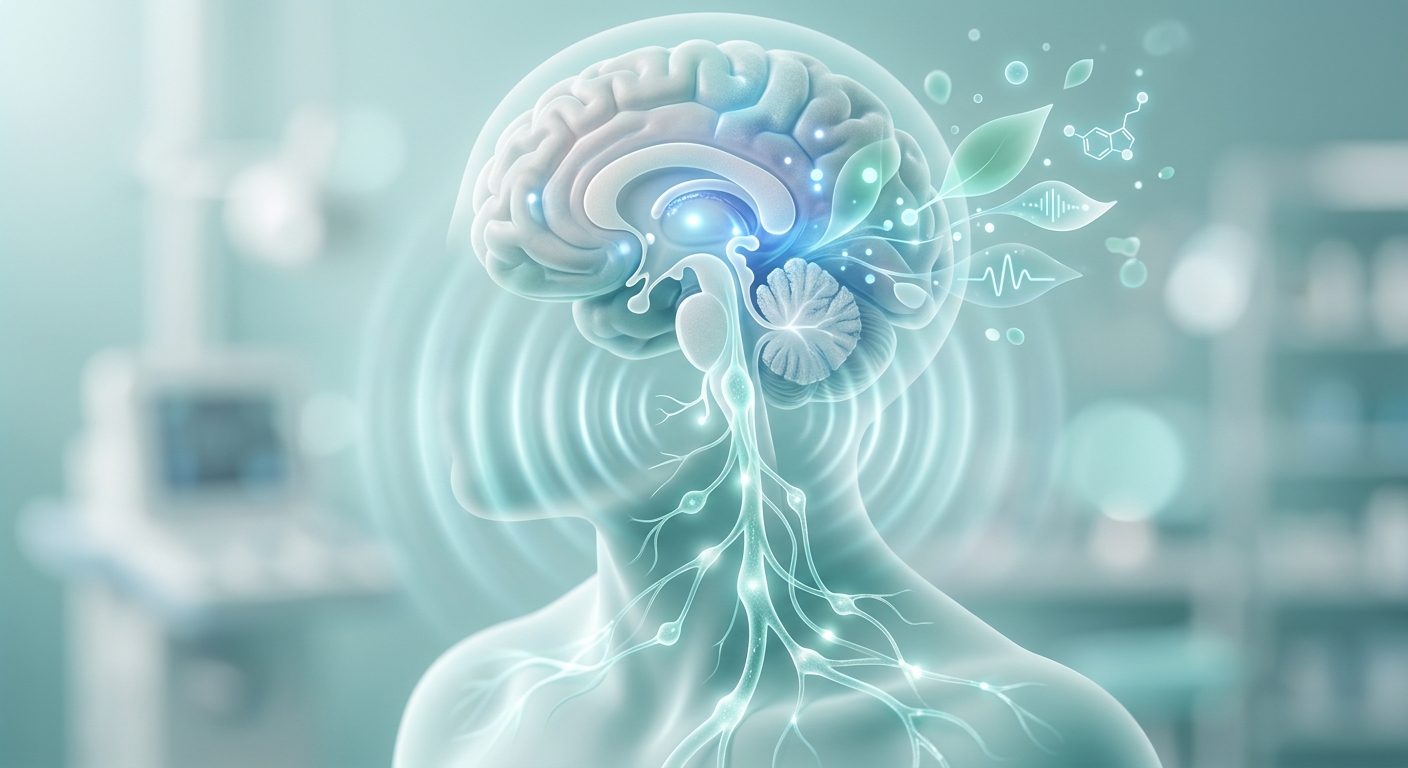
When anxiety disorders develop, the amygdala becomes hyperactive, triggering fight-or-flight responses even in safe situations. Vagus nerve stimulation helps regulate this overactivity, essentially applying a "neural brake" to excessive anxiety responses.
Comparing Treatment Options
Medications (SSRIs, Benzodiazepines)
- ✗ Side effects: weight gain, sexual dysfunction, fatigue
- ✗ Withdrawal symptoms when discontinuing
- ✗ May take 4-6 weeks to show effects
- ✗ Doesn't work for everyone
Talk Therapy (CBT, etc.)
- ✗ Requires months of weekly sessions
- ✗ Expensive (even with insurance)
- ✗ Limited availability of qualified providers
- ✗ Variable outcomes
Surgical VNS
- ✗ Requires implantation surgery
- ✗ Battery replacement needed every 1-15 years
- ✗ Infection risk
- ✗ Cost and recovery time
Ultrasound VNS
- ✓ No surgery or implanted device
- ✓ No drug side effects
- ✓ Can be self-administered at home
- ✓ Lower cost than surgical alternatives
- ✓ Minimal to no adverse effects
The Future of Anxiety Treatment
While ultrasound VNS for anxiety is still emerging, the trajectory is clear. As research continues and devices become more accessible, this approach could revolutionize how we treat anxiety disorders—making effective treatment available to the 56.8% of anxiety sufferers who currently go untreated.
The implications extend beyond anxiety. The same mechanisms that regulate anxiety also influence depression, PTSD, and stress-related conditions. Ultrasound neuromodulation represents a fundamentally new category of treatment that works with the body's natural systems rather than overriding them with chemicals.
Ready to Explore Vagus Nerve Stimulation?
Whether through professional treatment or natural methods you can practice at home, vagus nerve activation offers a path to better mental health without the side effects of medication.
Bottom Line
Ultrasound vagus nerve stimulation represents a breakthrough in anxiety treatment—offering the effectiveness of neuromodulation without the invasiveness of surgery or the side effects of medication. With 20% of adults struggling with anxiety and current treatments falling short for millions, this innovative approach couldn't come soon enough.
The research is clear: stimulating the vagus nerve calms the anxiety circuits in the brain. Ultrasound makes this accessible, affordable, and safe. For anyone who has struggled with anxiety and found traditional treatments inadequate, this emerging therapy offers genuine hope.