Vagus Nerve and Heart Health: The HRV Connection
How stimulating your vagus nerve can improve heart rate variability, lower blood pressure, and protect against cardiovascular disease
The Vagus Nerve: Your Heart's Master Regulator
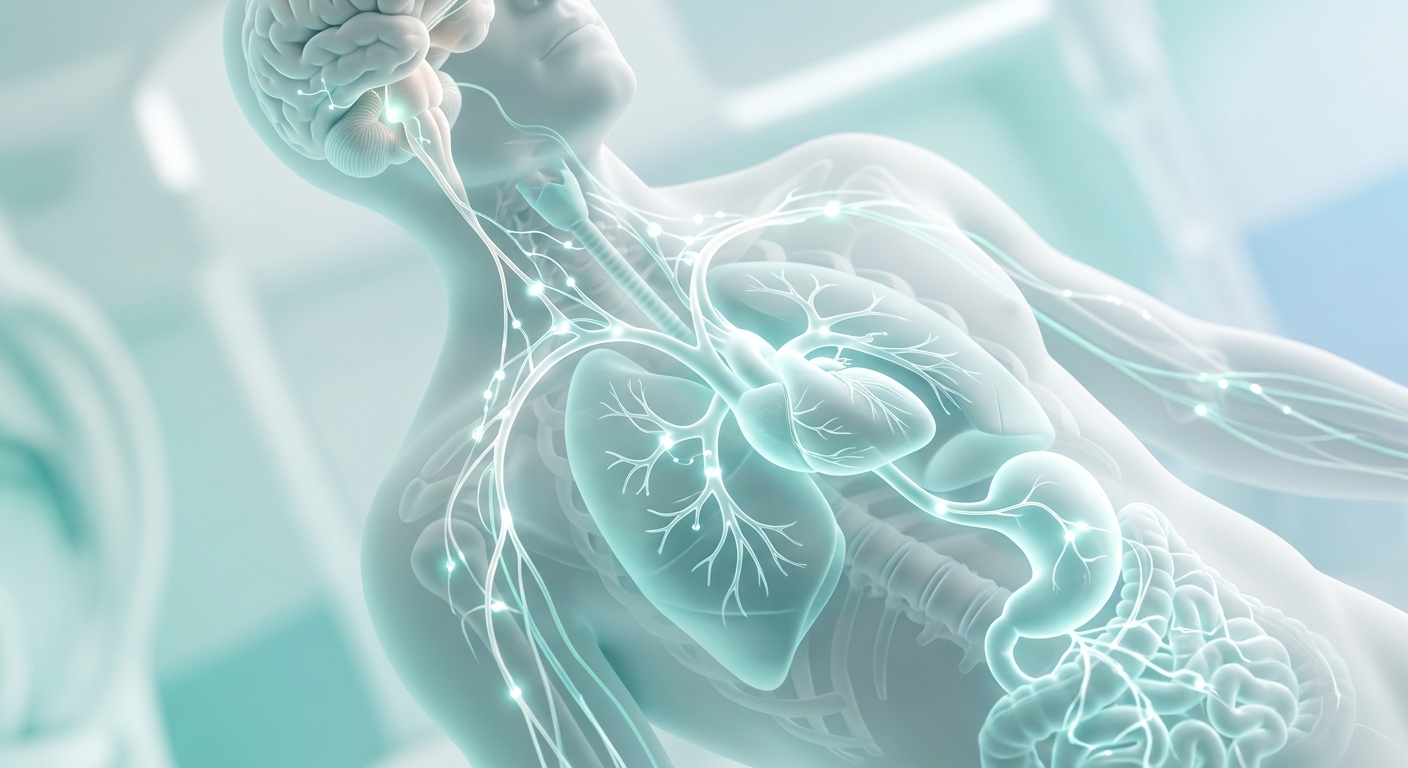
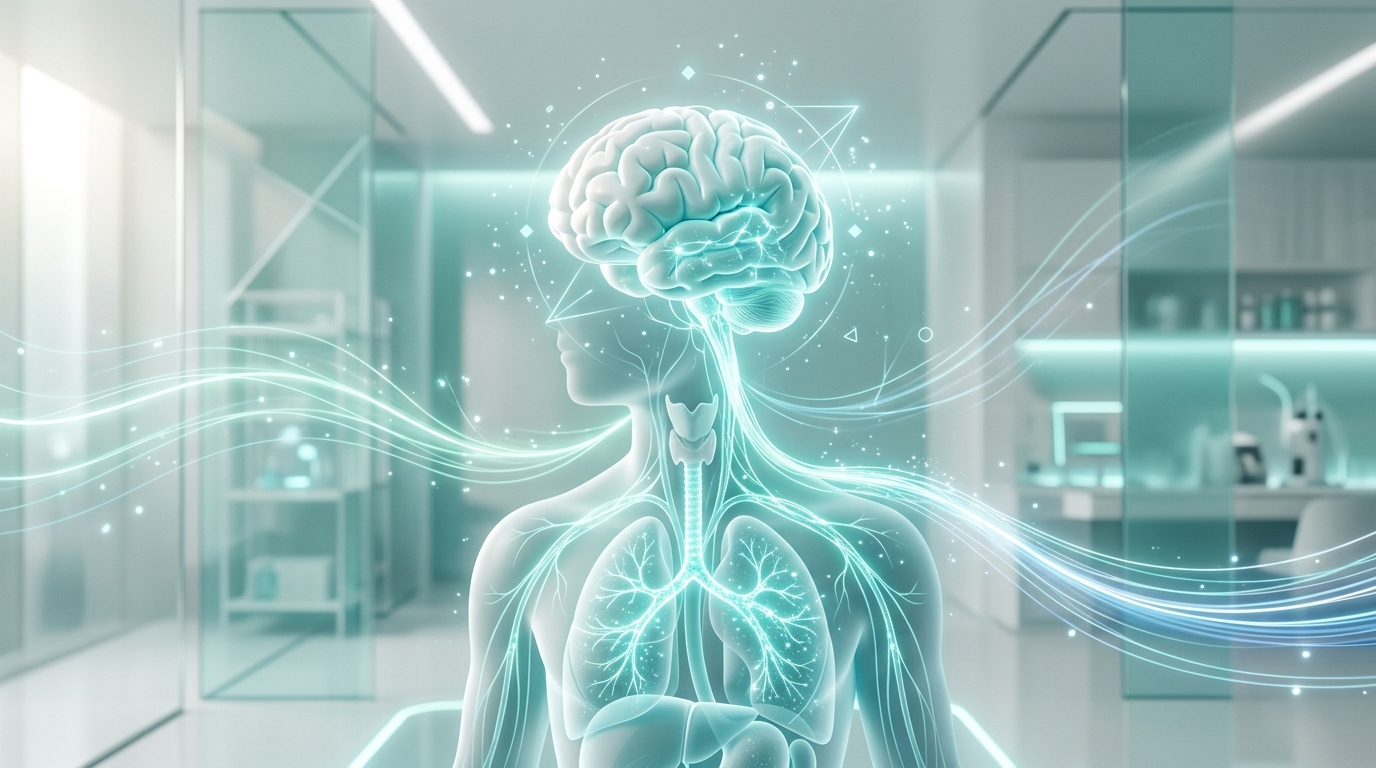
The vagus nerve does not just connect your brain to your gut — it is the primary parasympathetic pathway controlling your heart. Every beat of your heart is influenced by signals traveling along this remarkable nerve, making it one of the most important yet overlooked factors in cardiovascular health.
When your vagus nerve functions optimally, it maintains the delicate balance between your sympathetic (fight-or-flight) and parasympathetic (rest-and-digest) nervous systems. This balance is measured through Heart Rate Variability (HRV) — the variation in time between consecutive heartbeats. Higher HRV indicates a healthy, adaptable nervous system. Low HRV signals poor vagal tone and increased cardiovascular risk.
What is Heart Rate Variability (HRV)?
Contrary to popular belief, a healthy heart does not beat like a metronome. Instead, it constantly varies the interval between beats — speeding up slightly when you inhale and slowing down when you exhale. This natural fluctuation is HRV, and it is directly controlled by your vagus nerve.
- High HRV = Flexible, resilient nervous system, better stress adaptation, lower disease risk
- Low HRV = Rigid nervous system, poor stress recovery, increased mortality risk
The Vagus Nerve-Heart Connection
1. Direct Cardiac Control
The vagus nerve sends branches directly to the heart's sinoatrial (SA) node — your heart's natural pacemaker. By releasing acetylcholine, the vagus nerve can:
- Slow heart rate (negative chronotropic effect)
- Reduce cardiac contractility
- Stabilize heart rhythm
- Lower myocardial oxygen demand
2. Blood Pressure Regulation
The vagus nerve is integral to the baroreflex — your body's blood pressure regulation system. When blood pressure rises, baroreceptors signal the brain, which increases vagal output to slow the heart and reduce pressure. Poor vagal tone impairs this critical feedback loop, contributing to hypertension.
3. Anti-Arrhythmic Effects
Research shows that vagus nerve stimulation can prevent dangerous heart rhythms. By stabilizing the cardiac electrical system, VNS may reduce the risk of:
- Atrial fibrillation
- Ventricular tachycardia
- Sudden cardiac death in high-risk patients
Vagus Nerve Stimulation for Heart Health
While implanted VNS devices have been used primarily for epilepsy and depression, emerging research reveals significant cardiovascular benefits:
- Reduced resting heart rate in patients with elevated baseline HR
- Improved HRV within weeks of starting VNS
- Decreased inflammatory markers (CRP, IL-6) linked to heart disease
- Better exercise tolerance and recovery
- Reduced blood pressure in hypertensive patients
Non-Invasive VNS: A Cardiovascular Game-Changer
Implantable VNS requires surgery and carries procedural risks. Transcutaneous and ultrasound VNS offer the same cardiovascular benefits without invasive procedures:
- Ear-based stimulation: Targets auricular branch of vagus nerve
- Neck stimulation: Direct cervical vagus nerve access
- Ultrasound VNS: Precise, targeted nerve modulation without skin contact
Natural Ways to Improve Vagal Tone and HRV
Before considering devices, optimize your vagal tone through proven methods:
- Slow breathing: 4-6 breaths per minute maximizes HRV
- Cold exposure: Cold showers stimulate the dive reflex
- Singing and humming: Activates vagal pathways through vocalization
- Meditation: Mindfulness practices consistently improve HRV
- Omega-3 supplementation: Supports vagal nerve function
- Social connection: Positive social interaction increases HRV
The Bottom Line
Your vagus nerve is the primary regulator of heart function, and its health is reflected in your HRV. Low HRV is not just a number — it is a warning sign of increased cardiovascular risk, poor stress resilience, and potential health problems. By improving vagal tone through natural methods or vagus nerve stimulation, you can:
- Improve heart rate variability
- Lower resting heart rate
- Reduce blood pressure
- Protect against arrhythmias
- Decrease cardiovascular mortality risk
The future of cardiology is recognizing that the heart is not an isolated pump — it is intimately connected to the nervous system. Optimizing vagal tone may be as important as managing cholesterol for heart health.
- The vagus nerve directly controls heart rate and rhythm
- HRV is the best non-invasive measure of vagal tone
- Low HRV predicts cardiovascular disease and mortality
- VNS can improve HRV and cardiovascular outcomes
- Natural methods (breathing, cold, meditation) boost vagal tone