Vagus Nerve Breathing and Cold Exposure: The Wim Hof Method Approach to Natural Neuromodulation
Harnessing breath, cold, and commitment to activate your parasympathetic nervous system and build stress resilience
Have you ever felt butterflies in your stomach before a nerve-wracking presentation? Or noticed how stress seems to physically manifest as digestive discomfort during high-pressure situations? These experiences reveal the profound connection between your brain and body—a connection mediated by the vagus nerve, the master regulator of your stress response and recovery systems.
The Wim Hof Method has gained worldwide recognition for its ability to help practitioners gain unprecedented control over their autonomic nervous system. At the heart of this method lies a sophisticated understanding of vagus nerve function and how natural interventions like breathing exercises and cold exposure can modulate this crucial neural pathway. This article explores how you can harness these techniques to improve your vagal tone, build stress resilience, and unlock your body's innate healing potential.
The Stress-Vagus Connection: Your Body's Two-Way Street
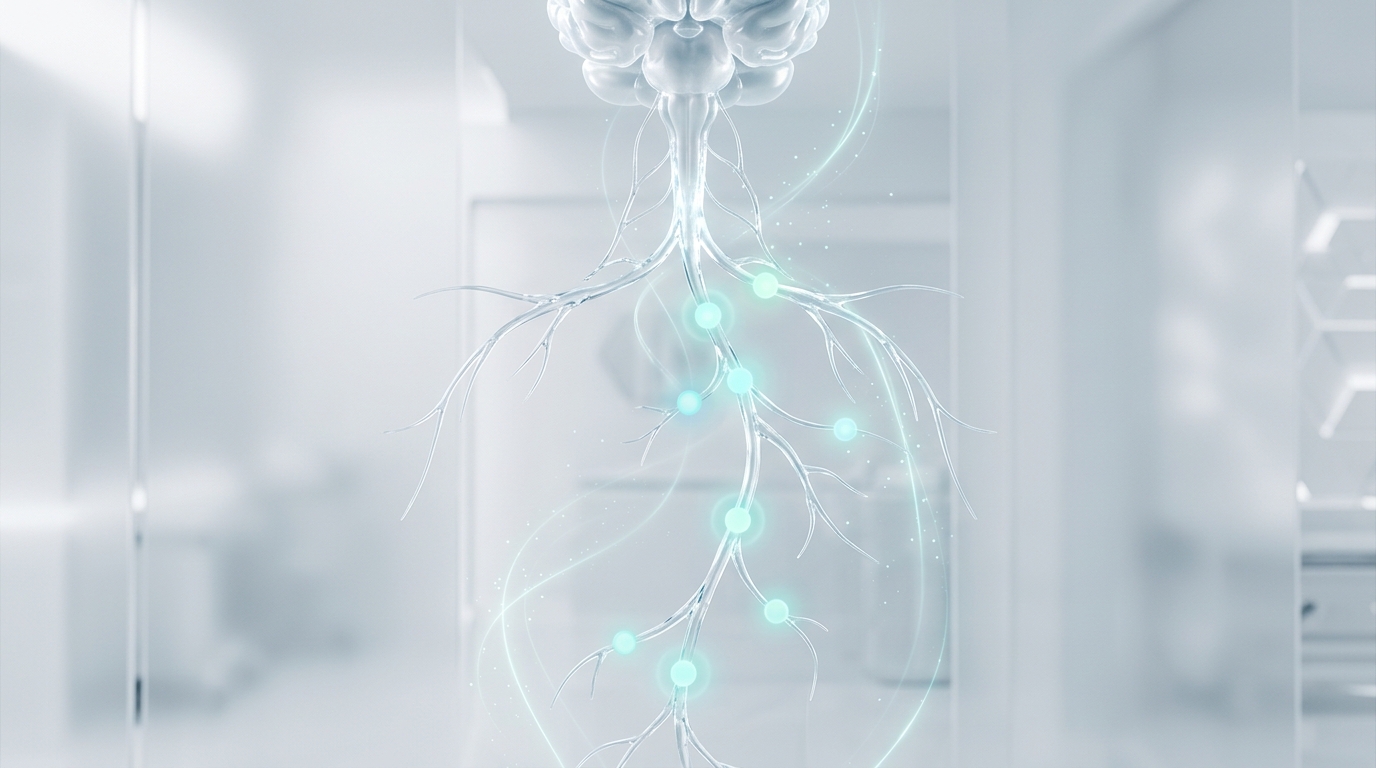
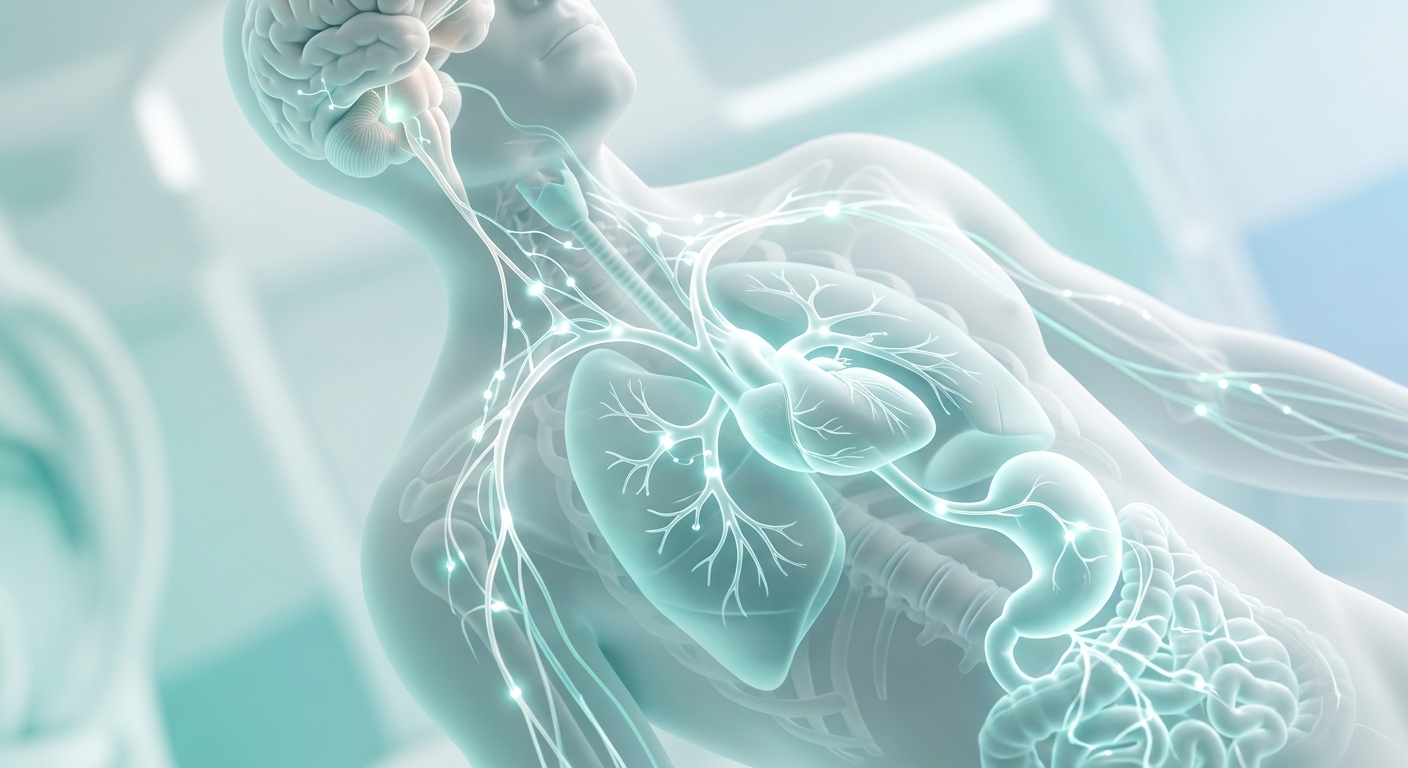
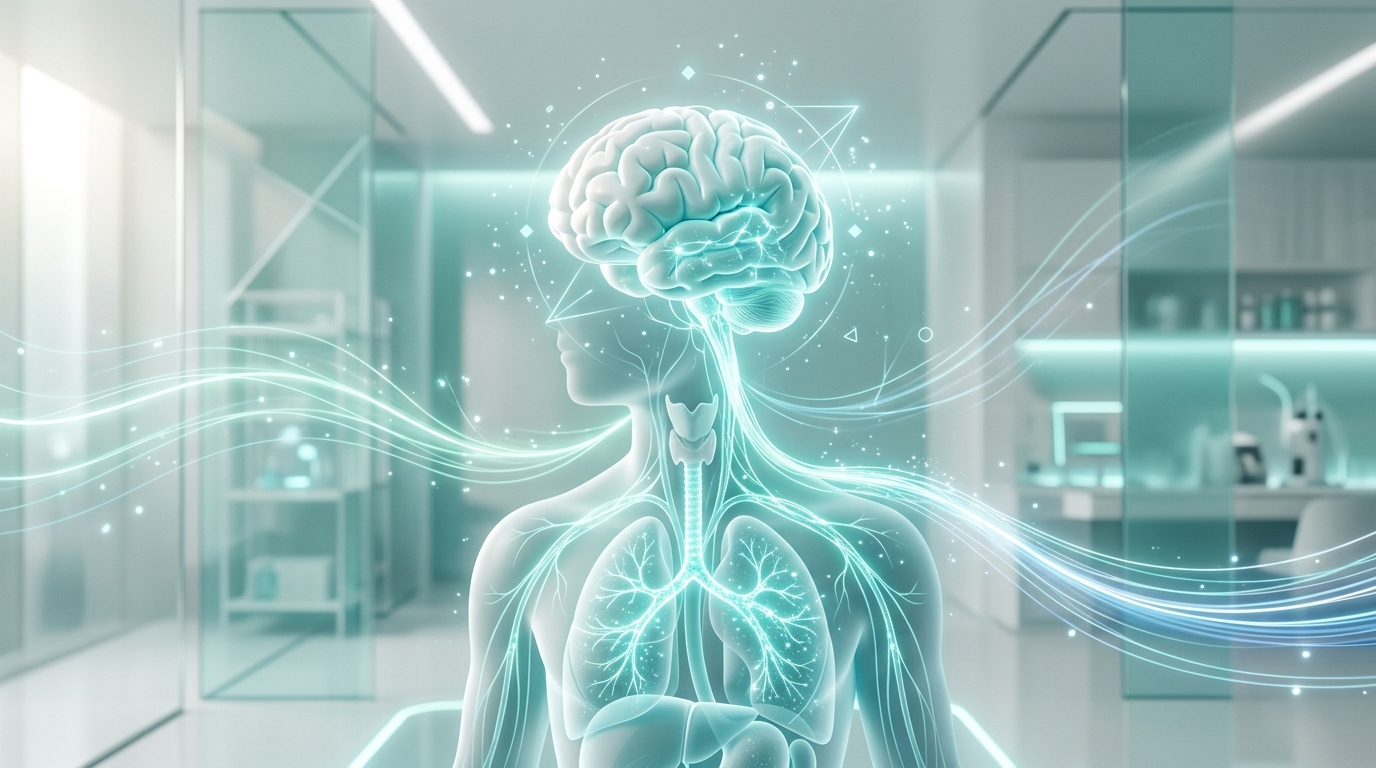
The vagus nerve serves as a biological information superhighway, facilitating constant two-way communication between your brain and vital organs including your stomach, lungs, and heart. This bidirectional flow means that stress affects not just your mental state but your physical health simultaneously—and vice versa.
The more stress factors your vagus nerve encounters, the lower your vagal tone becomes. Low vagal tone correlates with reduced stress resilience, slower recovery from physiological challenges, and compromised overall health. Fortunately, vagal tone is not fixed—it can be improved through consistent practice of specific breathing and exposure techniques.
Understanding Vagal Tone: Your Resilience Metric
Vagal tone refers to the activity level of your vagus nerve and reflects your body's capacity to regulate stress responses. Think of it as your physiological resilience score:
- High Vagal Tone: Rapid stress recovery, strong immune function, emotional balance, and cardiovascular health
- Low Vagal Tone: Prolonged stress responses, inflammation, anxiety, depression, and increased disease susceptibility
Research demonstrates that individuals with higher vagal tone show faster recovery from stress, better emotional regulation, and improved cardiovascular function. The good news? Vagal tone responds to training, and the Wim Hof Method provides a systematic approach to improving it.
The Three Pillars of the Wim Hof Method
The Wim Hof Method centers on three foundational practices that work synergistically to enhance vagal tone and autonomic nervous system control:
Pillar 1: Breathing
Specific breathing techniques form the core of vagus nerve stimulation within the method. These exercises work by altering blood chemistry, influencing autonomic balance, and directly activating vagal pathways. The breathing protocol typically involves cycles of deep inhalations, passive exhalations, and breath holds that create temporary hypoxic and hypercapnic states.
Vagus Nerve Breathing Exercises Include:
- Deep Diaphragmatic Breathing: Engaging the diaphragm maximally to stimulate vagal afferents in the lungs and abdomen
- Extended Exhales: Prolonging the exhale phase activates the parasympathetic nervous system (the "rest and digest" branch)
- Controlled Breath Holds: Temporary suspension of breathing creates physiological stress that, when managed, builds vagal resilience
- Rhythmic Patterns: Consistent breathing cadences help entrain autonomic rhythms
"The breath is the bridge between the conscious and unconscious mind. By mastering your breathing, you gain access to deeper levels of physiological control that most people never realize they possess."
Pillar 2: Cold Therapy
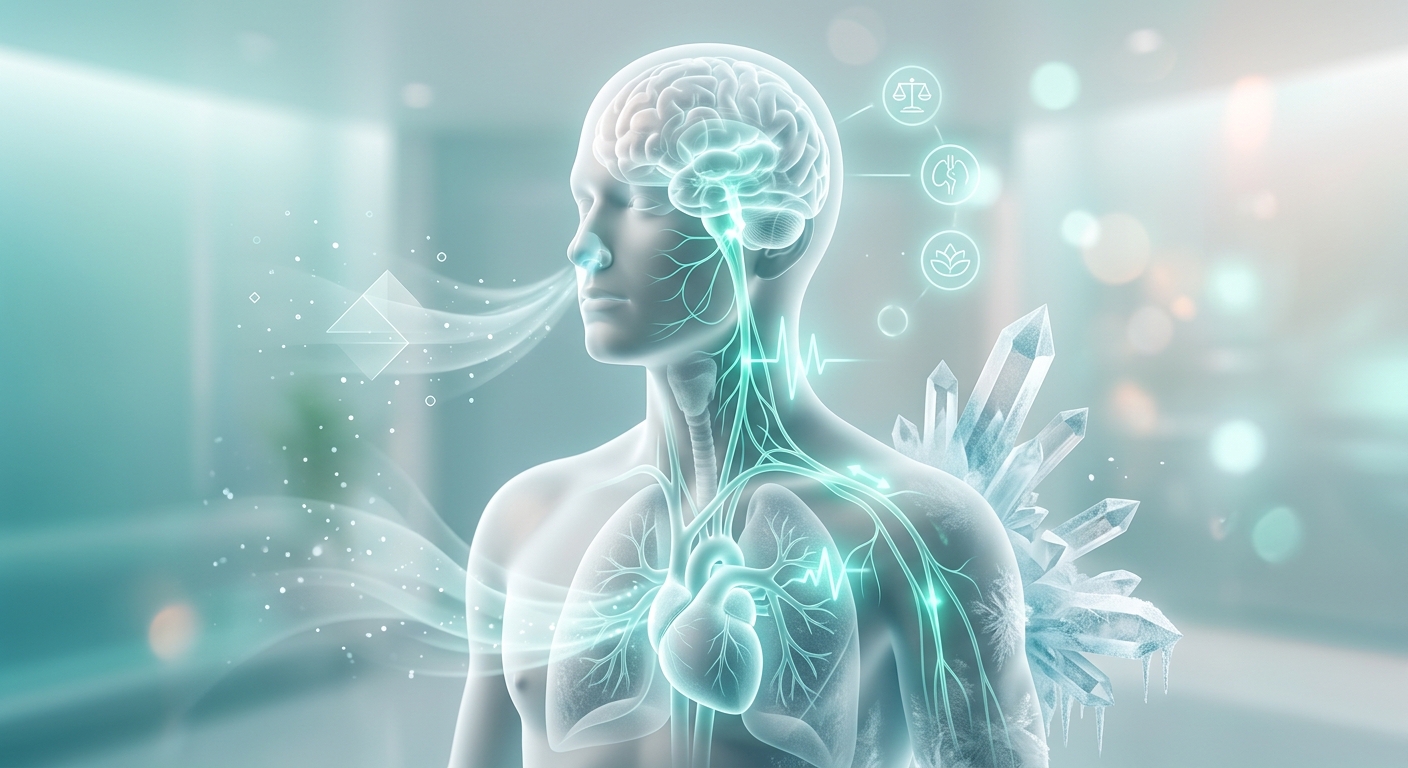
Cold exposure represents one of the most powerful natural vagus nerve stimulants available. When your body encounters cold, it triggers the dive reflex—a primitive survival mechanism that activates the vagus nerve and slows heart rate, conserves oxygen, and redirects blood flow to vital organs.
Practical Cold Exposure Methods:
- Cold Showers: Gradual exposure starting with brief cold periods at the end of regular showers
- Ice Water Face Immersion: Submerging the face in ice water activates the mammalian dive reflex and vagal pathways
- Ice Baths: Advanced practitioners use controlled immersion in ice water for deeper stimulation
- Outdoor Cold Exposure: Natural cold exposure in appropriate climates
Pillar 3: Commitment
The third pillar—commitment—emphasizes the importance of consistent practice and mental focus. Mindfulness and meditation practices integrated into the method enhance the mind-body connection and amplify the vagal benefits of breathing and cold exposure. This commitment transforms isolated exercises into a sustainable lifestyle practice.
The Science Behind Cold-Induced Vagus Nerve Activation
Cold exposure triggers the mammalian dive reflex, an evolutionary adaptation that conserves oxygen during submersion. This reflex powerfully activates the vagus nerve, causing:
- Bradycardia (slowing of heart rate)
- Peripheral vasoconstriction (blood vessel narrowing)
- Redirection of blood flow to the heart and brain
- Activation of the parasympathetic nervous system
Regular activation of this reflex through cold exposure trains your vagus nerve to respond more efficiently to stressors of all types—not just cold. This translates to better stress management in daily life, from work pressures to emotional challenges.
Additional Natural Vagus Nerve Stimulation Methods
Beyond the Wim Hof Method pillars, several other practices naturally stimulate the vagus nerve:
- Singing and Chanting: Vocalization exercises stimulate the vagus nerve through vibrations in the throat and vocal cords
- Meditation: Mindfulness practices naturally increase vagal tone and shift autonomic balance toward parasympathetic dominance
- Gargling: Forceful gargling with water activates throat muscles innervated by the vagus nerve
- Laughter: Genuine laughter provides powerful vagal stimulation while releasing beneficial neurochemicals
From Natural Methods to Medical Precision
While natural methods like the Wim Hof Method offer accessible ways to improve vagal tone, they require consistent practice and produce variable results based on individual physiology and technique proficiency. This is where emerging medical technologies like ultrasound vagus nerve stimulation enter the picture.
Think of the spectrum of vagus nerve modulation as ranging from:
- Natural Methods (Wim Hof, breathing, cold): Accessible, free, requires dedication, variable intensity
- Medical-Grade Non-Invasive (Ultrasound VNS): Consistent, precise, clinically calibrated, no surgery required
- Surgical Implantation: Maximum consistency, requires surgery, highest cost and risk
Ultrasound VNS represents a bridge—delivering medical-grade precision and consistency without the invasiveness of surgical implantation. It achieves what natural methods strive for but with the reliability and dosing precision of medical technology.
Getting Started with Vagus Nerve Training
If you're interested in exploring natural vagus nerve stimulation through breathing and cold exposure, consider these starting points:
- Begin with Breathing: Practice deep diaphragmatic breathing with extended exhales (try a 4-7-8 pattern) for 5-10 minutes daily
- Gradual Cold Introduction: End your regular showers with 30 seconds of cold water, gradually increasing duration
- Track Your Response: Notice how your body responds and recovers from these practices
- Consider Structured Learning: The Wim Hof Method offers courses that provide detailed guidance and progressive protocols
Conclusion
The vagus nerve represents a profound connection between mind and body—a pathway through which we can actively influence our health, resilience, and well-being. The Wim Hof Method demonstrates that natural practices like breathing exercises and cold exposure can meaningfully modulate this system, offering accessible tools for anyone seeking to improve their vagal tone.
Whether you pursue natural methods, explore emerging technologies like ultrasound VNS, or combine approaches, the key principle remains: your vagus nerve is trainable, and improving its function can transform your capacity to handle stress, regulate emotions, and maintain health. The power to influence this crucial neural pathway lies within reach—through breath, cold, and commitment.