Vagus Nerve Stimulation for Anxiety: The Science Behind Calming Your Mind
How stimulating your body's natural relaxation pathway can reduce anxiety symptoms and improve mental health
Anxiety disorders affect over 40 million adults in the United States, making them the most common mental health condition in the country. While traditional treatments like therapy and medication work for many, an estimated 30-40% of patients experience treatment-resistant anxiety.
For these individuals, vagus nerve stimulation (VNS) is emerging as a promising alternative. Originally developed for epilepsy, this therapy is now being recognized for its powerful anxiolytic (anxiety-reducing) effects.
Understanding the Vagus Nerve-Anxiety Connection
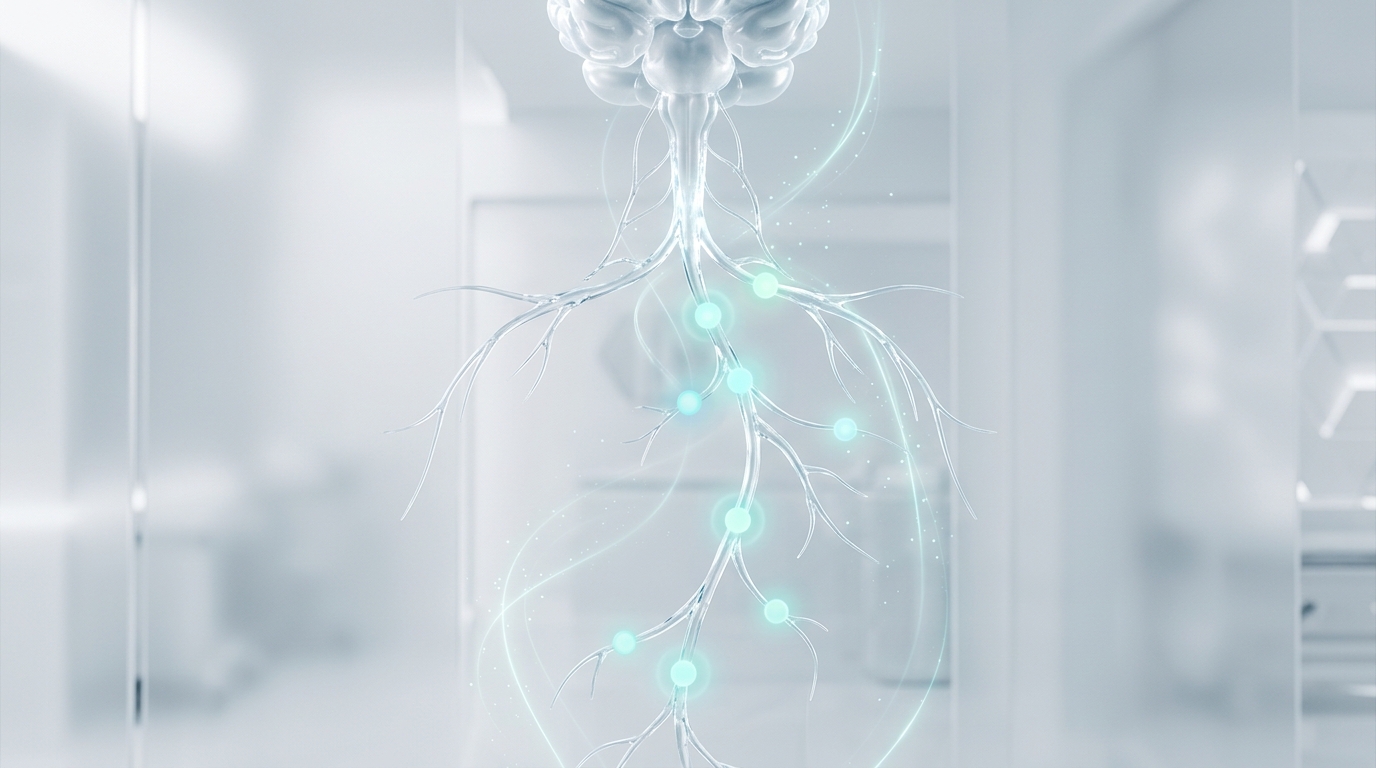
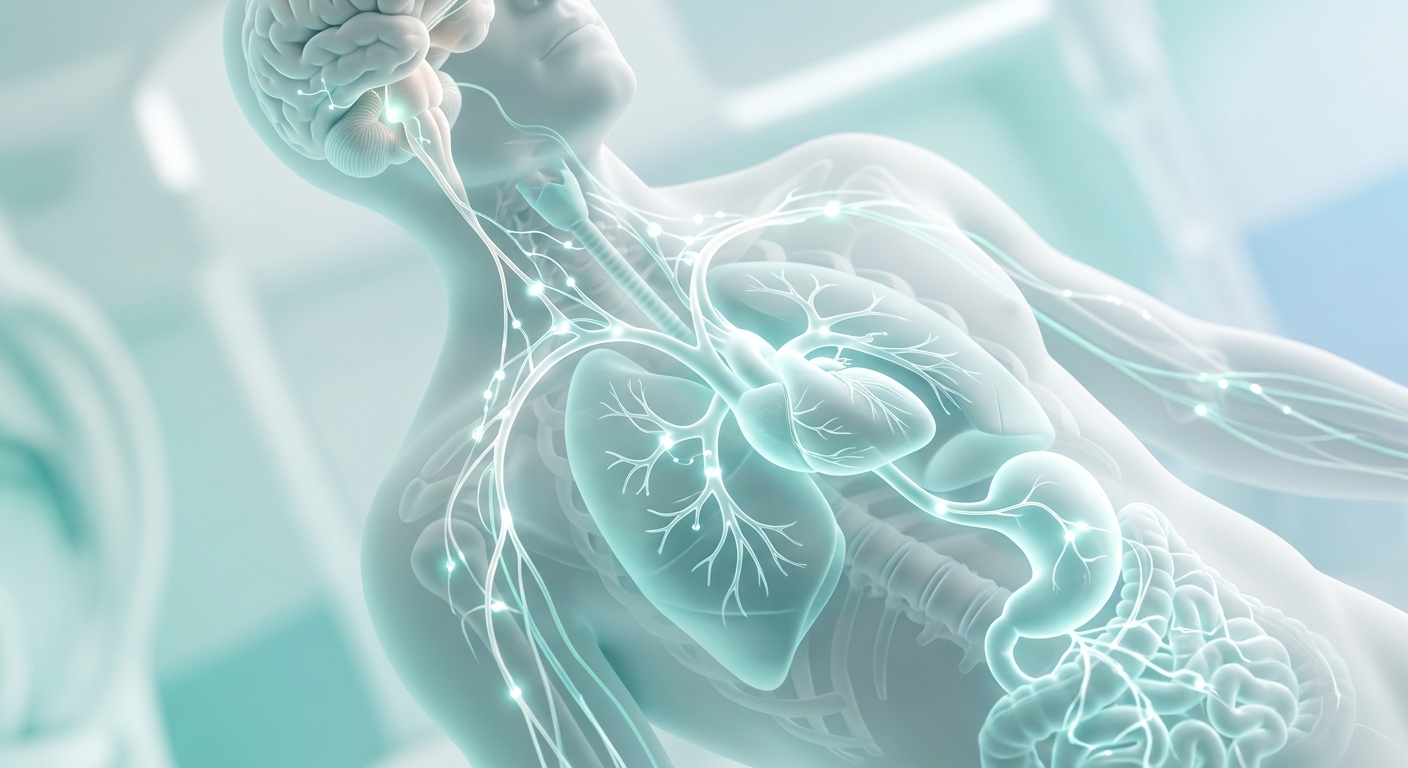
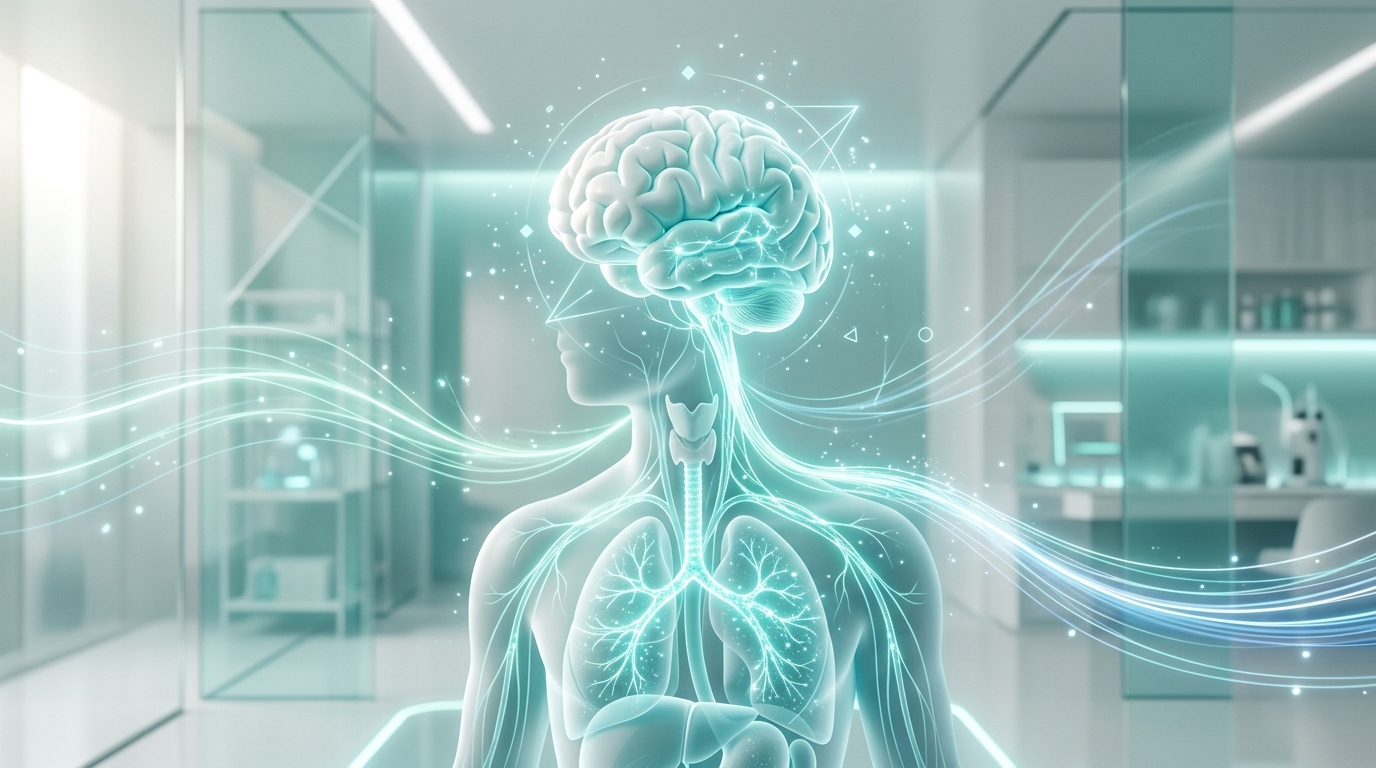
The vagus nerve is the longest cranial nerve in your body, running from your brainstem down through your neck, chest, and abdomen. It's the primary component of the parasympathetic nervous system.
In people with chronic anxiety, the sympathetic system is often overactive while parasympathetic tone is diminished. Vagus nerve stimulation gives your body a tool to activate its natural calming response on demand.
The Neuroscience of VNS for Anxiety
How It Works in the Brain
When the vagus nerve is stimulated, it sends signals upward to several key brain regions:
- The Locus Coeruleus: Controls norepinephrine release; VNS reduces overactivity that contributes to hypervigilance and panic.
- The Amygdala: The brain's fear center; VNS modulates amygdala activity, reducing exaggerated threat responses.
- The Prefrontal Cortex: Responsible for executive function and emotional regulation.
- The Hypothalamus: Regulates the HPA axis (stress hormone system).
Neurotransmitter Effects
Vagus nerve stimulation influences multiple neurotransmitter systems:
- GABA: The brain's primary inhibitory neurotransmitter; VNS increases GABAergic tone.
- Serotonin: VNS increases serotonin release in the hippocampus and prefrontal cortex.
- Norepinephrine: VNS reduces excessive noradrenergic activity while increasing beneficial norepinephrine in attention networks.
- BDNF (Brain-Derived Neurotrophic Factor): VNS increases BDNF, promoting neuroplasticity.
Clinical Evidence: What Research Shows
FDA-Approved VNS for Depression (with Anxiety Benefits)
While VNS is FDA-approved for treatment-resistant depression, studies consistently show significant improvements in comorbid anxiety:
- A landmark study published in Biological Psychiatry found that 43% of patients with treatment-resistant depression experienced significant anxiety reduction alongside mood improvements.
- Long-term follow-up studies show sustained anxiety benefits for up to 5 years with ongoing VNS treatment.
Anxiety-Specific Research
- PTSD: A study at the VA found that VNS paired with exposure therapy led to greater symptom reduction than therapy alone.
- Panic Disorder: Clinical trials showed reductions in panic attack frequency and severity.
- Generalized Anxiety Disorder (GAD): Patients showed reductions in worry, physical tension, and sleep disturbances.
- Social Anxiety: Improvements in social functioning and reduced anticipatory anxiety.
Types of Vagus Nerve Stimulation
1. Invasive/Implanted VNS (Medical Device)
For severe, treatment-resistant anxiety, an FDA-approved VNS device can be surgically implanted:
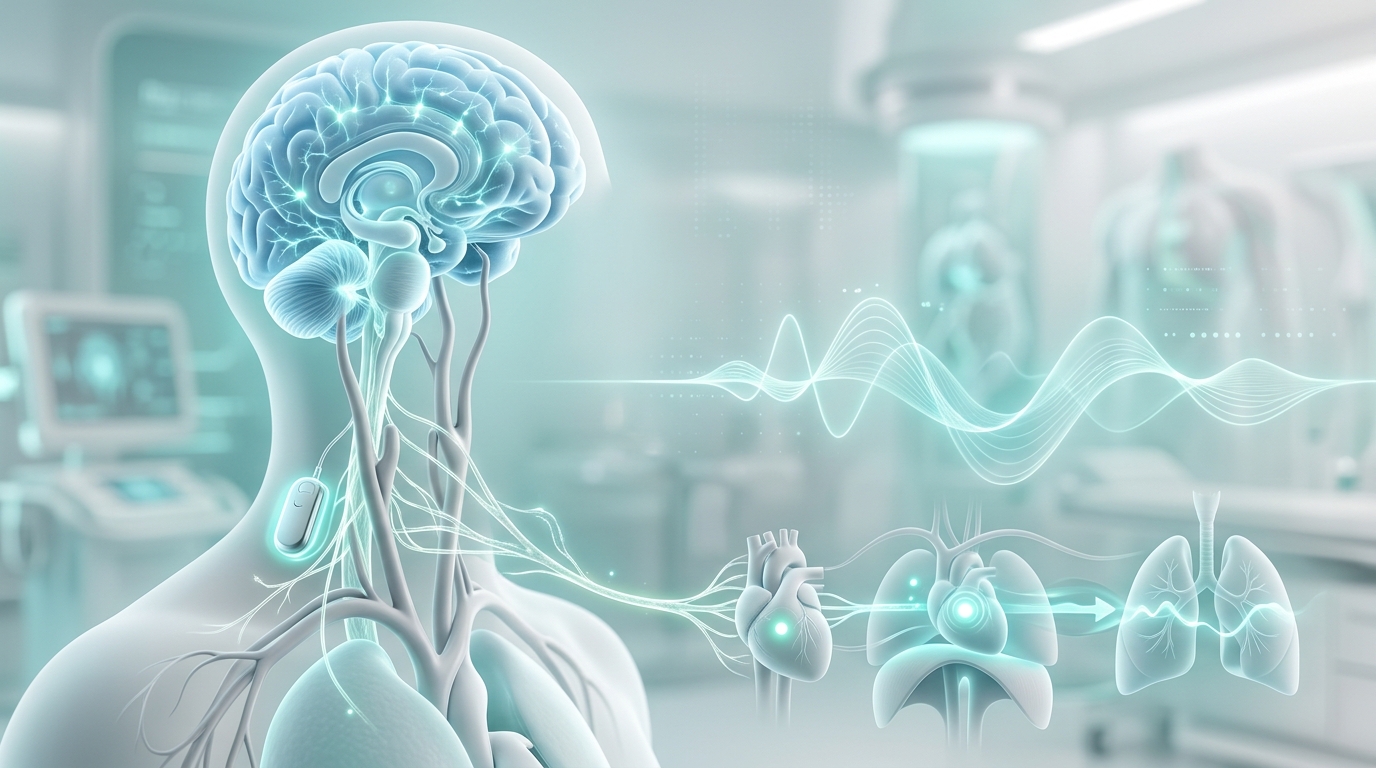
- A small pulse generator is placed under the skin in the chest
- A lead wire wraps around the left vagus nerve in the neck
- The device delivers regular electrical impulses (typically 30 seconds on, 5 minutes off)
- Patients can activate extra stimulation with a handheld magnet during acute anxiety
2. Transcutaneous VNS (tVNS) - Non-Invasive
More accessible options that don't require surgery:
- Ear-based devices: The cymba concha (inner ear) contains vagus nerve branches. FDA-cleared devices like gammaCore deliver stimulation here.
- Neck-based devices: Some devices stimulate the vagus nerve where it's accessible in the neck.
- Handheld units: Portable devices that can be used at home.
3. Natural/Behavioral VNS
Techniques you can use at home:
- Deep, slow breathing (especially extended exhales)
- Cold water exposure (face immersion, cold showers)
- Humming, chanting, or singing
- Meditation and mindfulness practices
- Gargling with water
- Progressive muscle relaxation
At-Home Vagus Nerve Techniques for Anxiety
The Physiological Sigh (Immediate Relief)
Developed by Stanford neuroscientist Dr. Andrew Huberman:
- Take a deep breath in through your nose
- Take a second, shorter breath in ("stacking" the inhale)
- Exhale slowly and completely through your mouth with a sigh
- Repeat 1-3 times
Why it works: The double inhale fully expands the alveoli in your lungs, while the extended exhale maximally activates the vagus nerve.
Resonant Breathing (Daily Practice)
- Inhale through your nose for a count of 5
- Exhale through your nose for a count of 5
- Continue for 10-20 minutes
Cold Water Face Immersion (Emergency Calm)
- Fill a bowl with cold water (add ice for stronger effect)
- Take a breath and hold it
- Submerge your face (eyes, nose, mouth) for 15-30 seconds
- Lift and breathe normally
Combining VNS with Traditional Anxiety Treatments
Vagus nerve stimulation works synergistically with other anxiety treatments:
- Cognitive Behavioral Therapy (CBT): VNS may enhance neuroplasticity, helping you better absorb CBT techniques.
- Medication: Some patients find VNS allows them to reduce medication doses.
- Exposure Therapy: Using VNS during exposure exercises may enhance extinction of fear responses.
- Mindfulness: Vagus nerve activation creates the physiological state that makes mindfulness easier.
Who Should Consider VNS for Anxiety?
Good Candidates Include:
- People with treatment-resistant anxiety (failed 2+ medication trials)
- Those who cannot tolerate anxiety medication side effects
- Patients seeking to reduce dependence on benzodiazepines
- Individuals with comorbid depression and anxiety
The Future of VNS for Anxiety
- Personalized protocols: AI-guided stimulation patterns tailored to individual brain activity.
- Closed-loop systems: Devices that detect rising anxiety via physiological signals and deliver automatic stimulation.
- Combination therapies: VNS paired with virtual reality exposure, neurofeedback, or psychedelic-assisted therapy.
Key Takeaways
- The vagus nerve is your body's anxiety off-switch—activating it triggers the parasympathetic nervous system.
- VNS influences multiple brain regions involved in anxiety, including the amygdala (fear center).
- FDA-approved for depression with strong evidence for anxiety benefits.
- Three approaches available: implanted devices, transcutaneous devices, and natural techniques.
- The physiological sigh provides immediate anxiety relief in under a minute.
- Resonant breathing (5-6 breaths per minute) creates lasting calm.
- Cold water face immersion triggers the diving reflex, instantly slowing heart rate.
- Consult a psychiatrist if anxiety persists despite treatment.
Disclaimer: This article is for informational purposes only and does not constitute medical advice. Consult with a qualified healthcare provider before beginning any new treatment for anxiety.