What Is the Vagus Nerve (And Why Should You Care)?
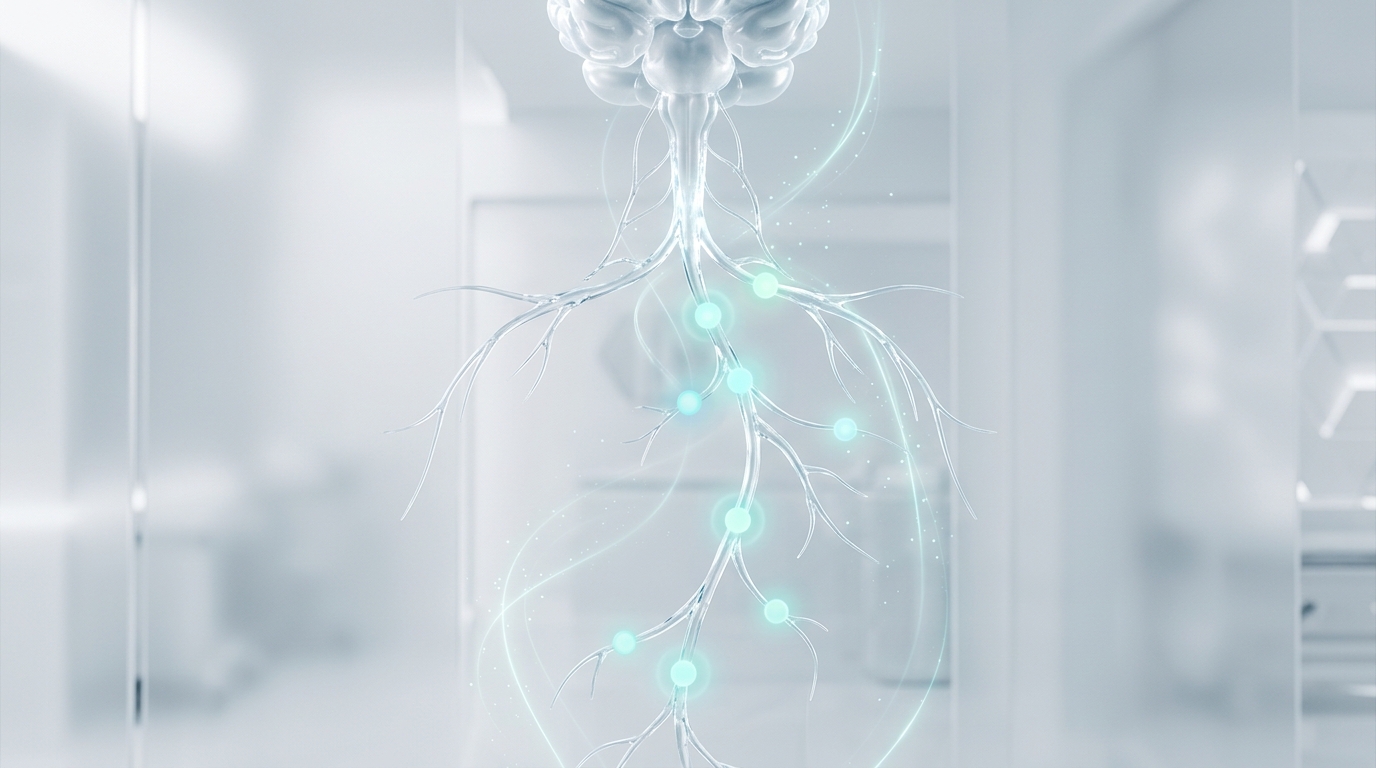
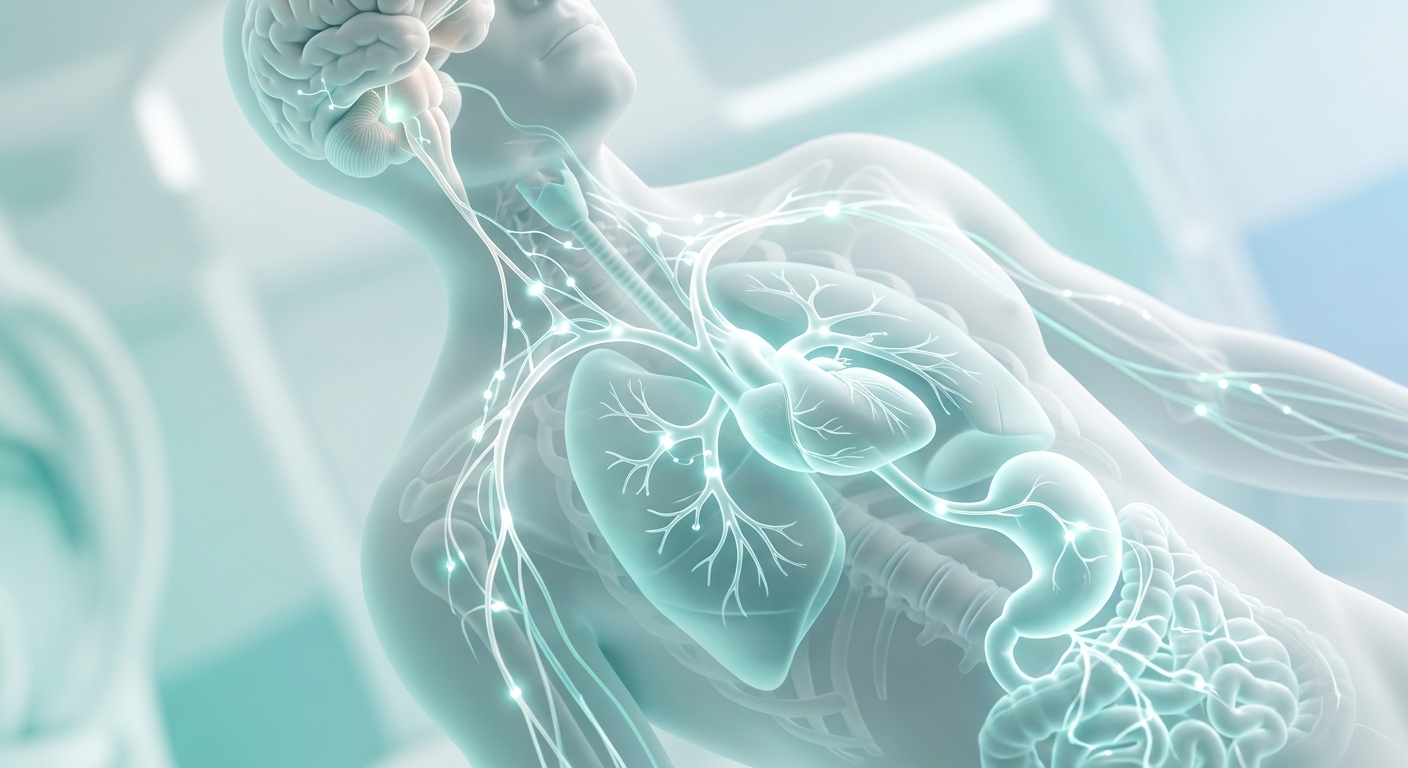
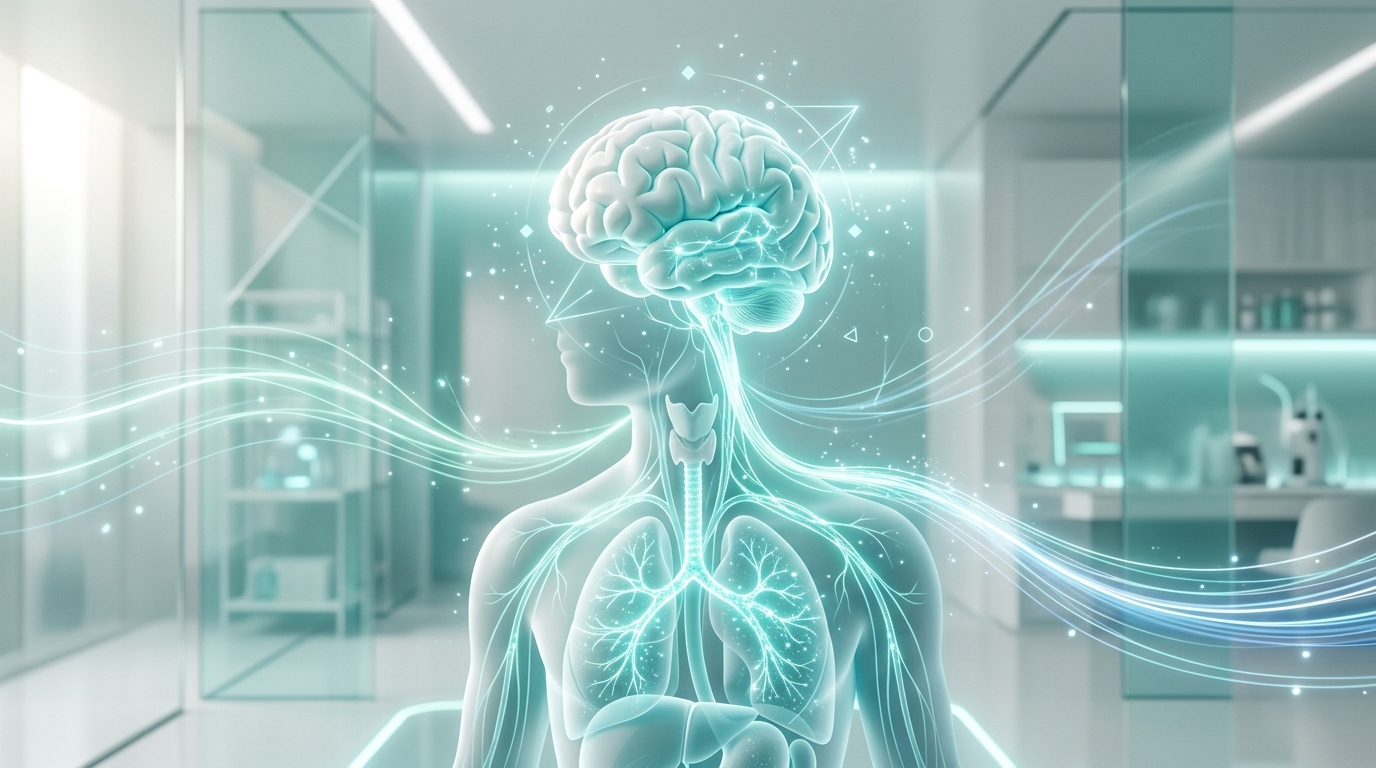
Your vagus nerve is the tenth cranial nerve, but that's just anatomy-speak for something much more important: it's your body's master regulator. This wandering nerve connects your brainstem to your heart, lungs, digestive system, and countless other organs.
Think of it as the CEO of your parasympathetic nervous system—the branch responsible for rest, digestion, healing, and recovery. When your vagus nerve is strong and active, you're calm, resilient, and healthy. When it's weak or underactive, stress takes over and inflammation runs rampant.
The strength of your vagus nerve—what scientists call "vagal tone"—is one of the most important yet overlooked markers of overall health.
The Depression-Vagus Nerve Connection
For years, depression treatment focused solely on brain chemistry. But emerging research reveals that depression is also a disorder of the body—not just the mind. And the vagus nerve is at the center of this connection.
Studies show that people with depression often have reduced vagal tone. Their bodies are stuck in a state of chronic sympathetic activation—constantly in fight-or-flight mode. This creates inflammation, disrupts sleep, and alters mood-regulating neurotransmitters.
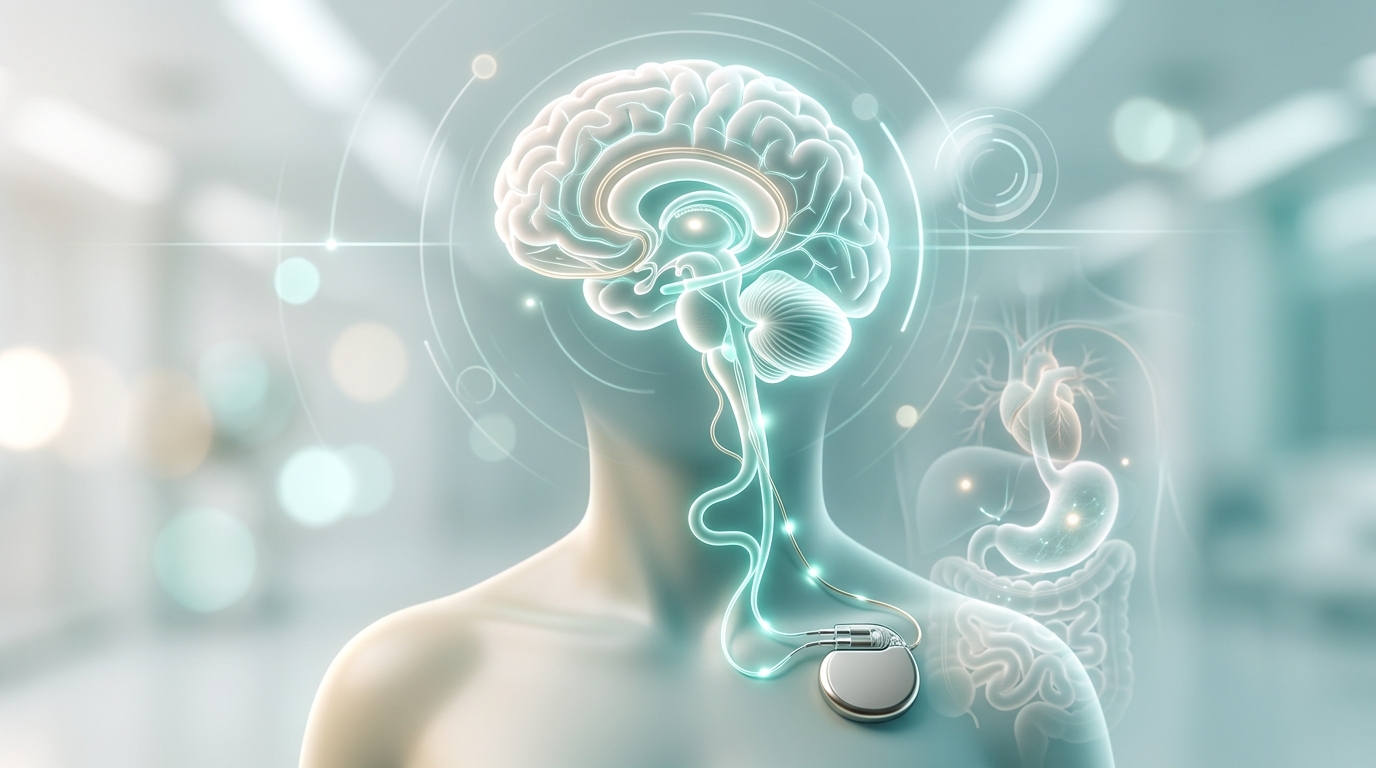
Vagus nerve stimulation (VNS) has been FDA-approved for treatment-resistant depression since 2005. For people who haven't responded to medication, VNS offers real hope—about 1 in 3 patients experience significant improvement.
Why Traditional Treatments Sometimes Fail
Antidepressants work for many people, but not everyone. About 30-40% of patients don't respond adequately to medication. This isn't a character flaw or lack of willpower—it's biology.
Depression is complex. It involves inflammation, gut health, stress response, and yes, brain chemistry. When medications don't address the whole picture, symptoms persist. That's where vagus nerve stimulation comes in—it works through entirely different mechanisms.
Natural Ways to Support Your Vagus Nerve
While implanted VNS devices require surgery, there are natural ways to strengthen your vagal tone:
- Breathwork: Slow, deep breathing activates the vagus nerve
- Exercise: Regular movement boosts vagal tone
- Social connection: Positive social interactions stimulate the vagus
- Nature exposure: Time in nature calms the nervous system
- Cold therapy: Brief cold exposure activates vagal pathways
These aren't replacements for professional treatment, but powerful complements to it.
The Bottom Line
Your vagus nerve is one of the most powerful yet underutilized tools for health and wellbeing. Whether you're struggling with anxiety, dealing with chronic inflammation, or simply wanting to optimize your health, strengthening this nerve pathway offers profound benefits.
The best part? Many of the most effective techniques—breathing exercises, cold exposure, meditation—are completely free and accessible to everyone. You can start today, right where you are.
Your body has an incredible capacity for self-regulation and healing. The vagus nerve is the key to unlocking that potential. Isn't it time you started using it?
Ready to Take the Next Step?
Start with just one practice from this article. Try the 4-7-8 breathing technique right now. Take a cold shower tomorrow morning. Hum for five minutes before bed. Small actions, consistently practiced, create remarkable changes over time.
Your vagus nerve has been waiting for your attention. Give it what it needs, and watch your health transform.