When Antidepressants Fail: How Vagus Nerve Stimulation Offers Hope for Treatment-Resistant Depression
A lifeline for the millions who've tried multiple medications without relief
Sarah had tried everything. Over five years, she worked through seven different antidepressant medications—SSRIs, SNRIs, atypical antidepressants—each prescribed with hope, each ending in disappointment. The side effects were brutal: weight gain, emotional numbness, insomnia. But the depression remained, a crushing weight that made every day a struggle.
Sarah's story is tragically common. Treatment-resistant depression affects approximately 30% of people diagnosed with major depressive disorder. These individuals try multiple medications without finding relief, leaving them in what feels like a treatment desert with few options.
But there is hope. In 2005, the FDA approved a treatment that works through an entirely different mechanism than antidepressants: vagus nerve stimulation (VNS). For people like Sarah who have exhausted medication options, VNS offers a chance at recovery.
The Problem: When Medications Don't Work
Treatment-resistant depression is defined as depression that doesn't respond to at least two different antidepressant medications taken at adequate doses for sufficient time. But many patients try far more than two—three, four, five, or even more medications—before receiving this diagnosis.
The standard approach—trying medication after medication—has significant limitations. Each trial takes 4-6 weeks minimum to assess effectiveness. Side effects accumulate. Hope diminishes with each failed attempt. And for 30% of patients, this cycle never produces relief.
The Accidental Discovery
The connection between vagus nerve stimulation and depression was discovered almost by accident. In 1997, the FDA approved VNS for treatment-resistant epilepsy. During clinical trials, researchers noticed something unexpected: patients consistently reported improvements in their mood, even when their seizures continued.
When researchers offered to remove the devices from patients whose epilepsy hadn't improved, many refused. "No, leave it in," they said. "It makes me feel good."
This observation prompted a new line of research specifically examining VNS for depression. By 2005, the FDA approved it for treatment-resistant depression—the first new depression treatment in decades that worked through a completely different mechanism than traditional antidepressants.
How VNS Differs from Antidepressants
Traditional antidepressants work by increasing levels of neurotransmitters—primarily serotonin, norepinephrine, and dopamine—in the synaptic cleft. This helps nerve cells communicate more effectively and can improve mood.
VNS works through a fundamentally different mechanism:
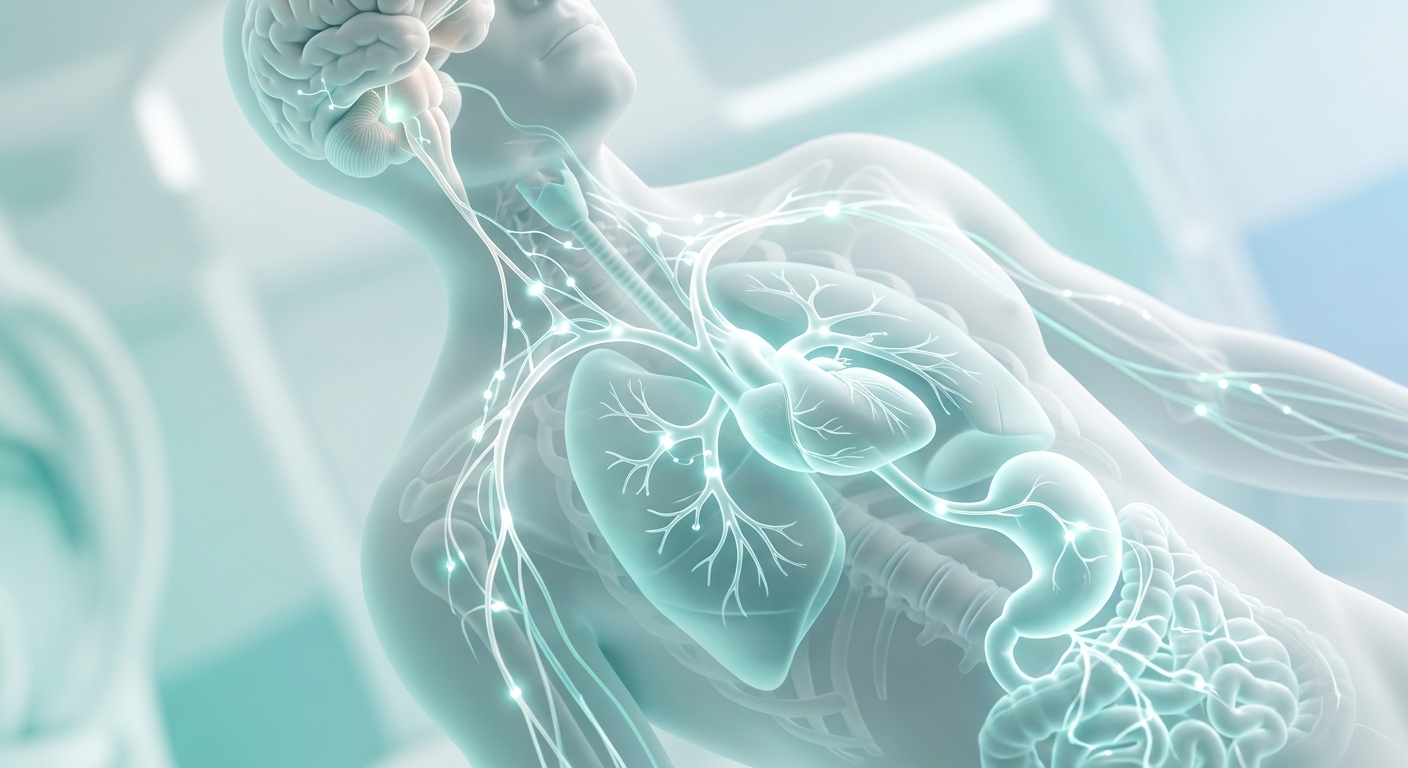
- Electrical signals stimulate the vagus nerve
- Signals travel to the brainstem's nucleus tractus solitarius
- Cascading activation reaches mood-regulating brain regions
- Promotes neuroplasticity—helping the brain rewire itself
- Normalizes the hypothalamic-pituitary-adrenal (HPA) axis
- Reduces hyperactivity in the amygdala (fear center)
Where medications chemically boost neurotransmitters, VNS helps the brain develop healthier patterns of activity. It doesn't just increase chemical levels—it changes how the brain processes emotions.
The Timeline: Patience Required
Here's the challenging part: VNS doesn't work quickly. Unlike antidepressants, which may show some effect within weeks, VNS typically requires months to show full benefits.
- 3 months: Some patients begin noticing improvements
- 6 months: More substantial benefits emerge
- 12 months: Majority of responders show significant improvement
- 24 months: Continued improvement for many patients
This delayed response is actually consistent with VNS's mechanism. The treatment works by promoting neuroplasticity—physical changes in brain structure and connectivity. These changes take time to develop, but they may be more enduring than medication effects.
The Evidence: What Research Shows
Multiple studies have examined VNS for treatment-resistant depression:
- Significant improvement seen in patients who failed 4+ medications
- Benefits sustained over years of treatment
- Improvement in quality of life measures, not just symptom scores
- Better response when combined with antidepressants (even previously ineffective ones)
Importantly, VNS doesn't help everyone. Response rates are typically 30-50%—meaning 30-50% of patients experience significant improvement. But for patients who have failed multiple medications, even these odds represent hope.
The Procedure: What to Expect
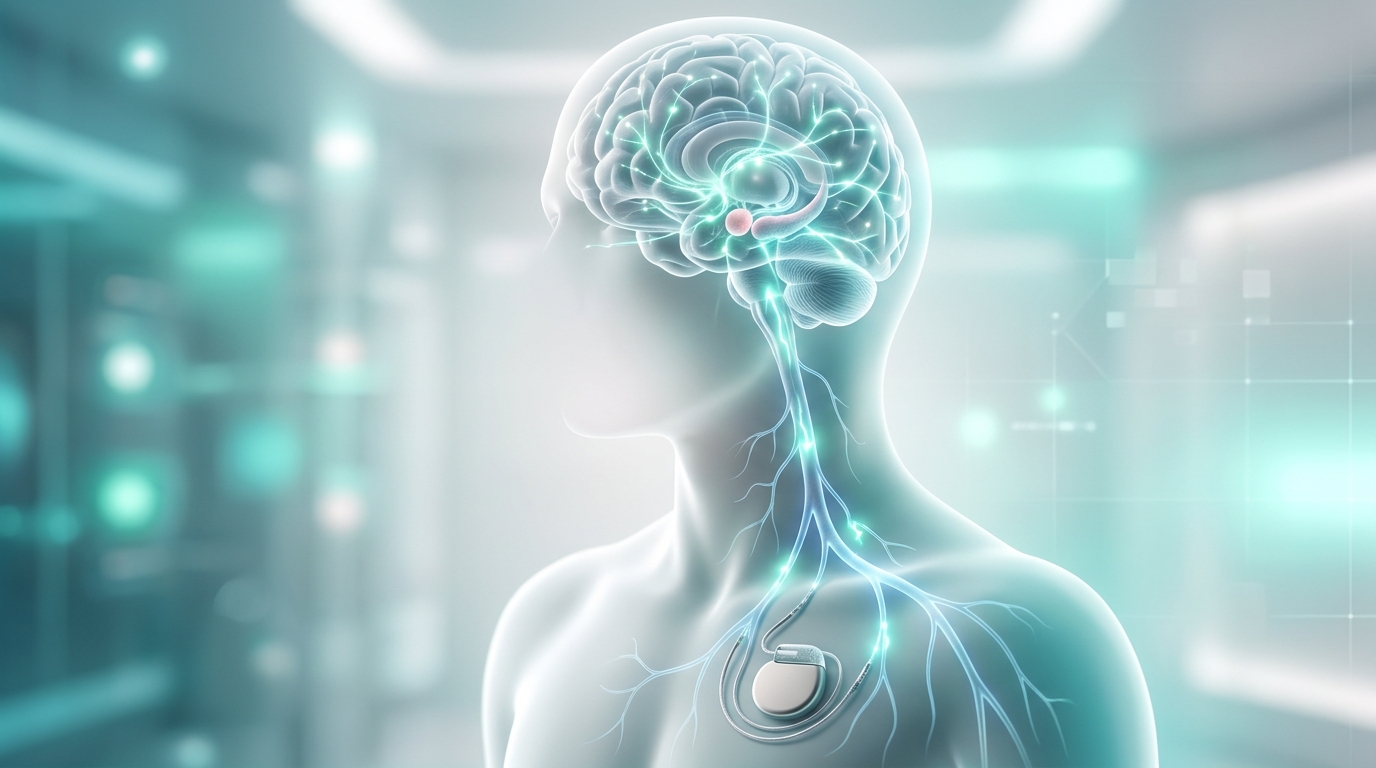
FDA-approved VNS requires surgical implantation of a device. The procedure:
- Outpatient surgery under general anesthesia (45-90 minutes)
- Small incision in upper chest for pulse generator
- Second incision on left side of neck for lead placement
- Device activated 2-4 weeks after surgery
- Neurologist programs stimulation parameters
- Ongoing follow-up for adjustments and battery monitoring
The device stimulates automatically throughout the day—typically 30 seconds on, 5 minutes off. Patients can temporarily activate extra stimulation using a handheld magnet when they feel symptoms worsening.
Battery Life and Maintenance
The implanted battery typically lasts 1-15 years depending on settings. When it depletes, a less invasive procedure replaces just the pulse generator (not the leads), requiring only the chest incision.
Non-Invasive Alternatives
For those not ready for surgery, emerging options include:
- Transcutaneous VNS (tVNS): Electrical stimulation through the ear or neck without surgery
- Focused Ultrasound VNS: Non-invasive ultrasound stimulation of the vagus nerve (emerging research)
- Natural VNS methods: Cold exposure, breathing exercises, singing—less potent but accessible
While these approaches are less studied than implanted VNS, they offer options for patients seeking non-surgical alternatives.
Is VNS Right for You?
VNS may be appropriate if you:
- Have tried and failed 2+ antidepressant medications
- Have not responded to evidence-based psychotherapy
- Are willing to commit to a long-term treatment approach
- Can undergo surgery and follow-up care
- Understand that results take months, not weeks
VNS is not recommended if you have certain medical conditions including heart arrhythmias, chronic lung disease, or ulcers. A thorough medical evaluation is required.
Bottom Line
For the millions suffering from treatment-resistant depression, vagus nerve stimulation offers genuine hope. It's not a quick fix, and it's not effective for everyone. But for 30-50% of patients who have exhausted other options, VNS can mean the difference between surviving and truly living.
If you or someone you love has tried multiple antidepressants without success, VNS may be worth exploring. The road to recovery may be longer, but the destination—a life free from depression's crushing weight—is worth the journey.