When Antidepressants Fail: The Vagus Nerve Option for Depression
Meta Description: For millions with treatment-resistant depression, vagus nerve stimulation offers hope when medications fail. Learn how VNS works, what to expect, and if it might help you.
The Depression Crisis Hiding in Plain Sight
Approximately 30% of people with depression don't respond to standard antidepressant medications. That's millions of Americans trapped in a cycle of failed treatments, side effects, and diminishing hope.
If you're reading this and antidepressants haven't worked for you—or they've stopped working—you're not alone, and you're not out of options.
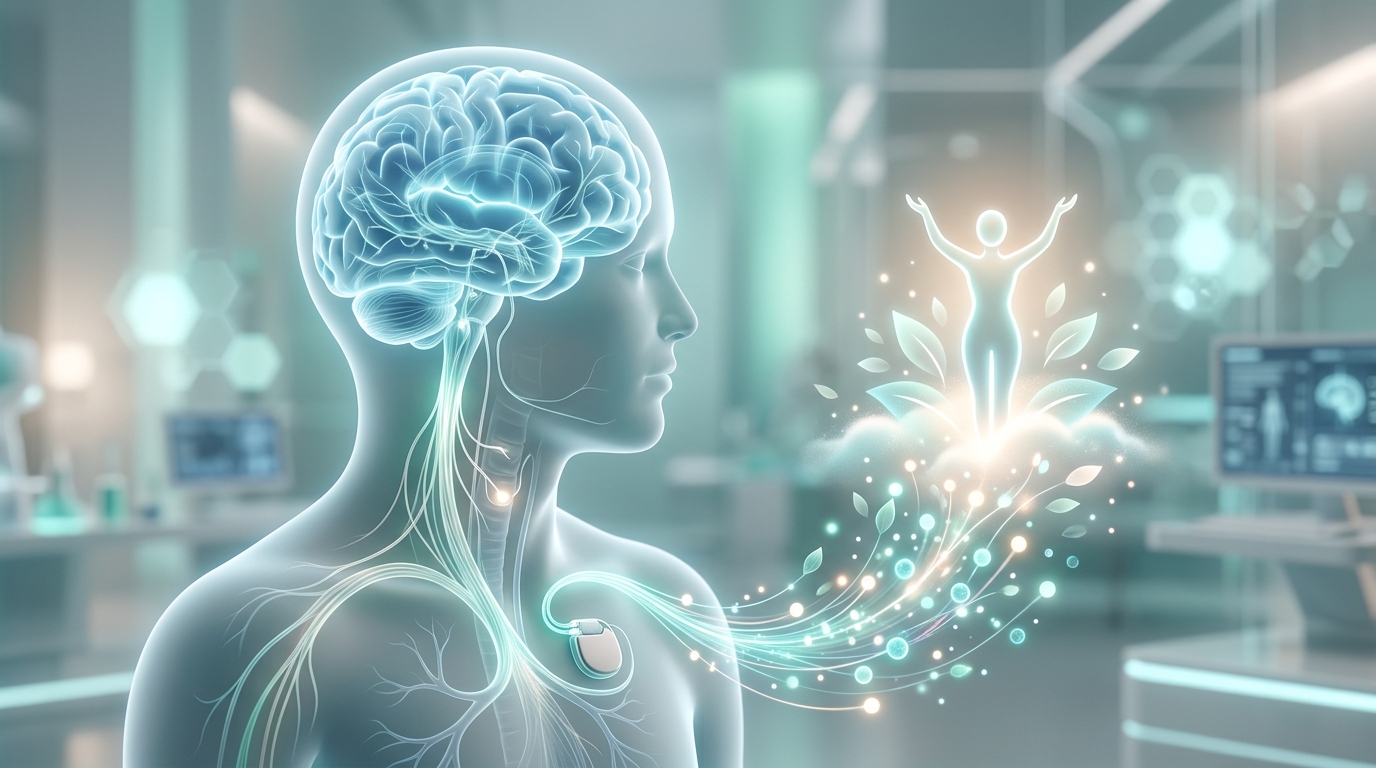
Vagus nerve stimulation (VNS) is an FDA-approved treatment specifically designed for treatment-resistant depression—and new 2024 research shows it's helping people who've tried everything else.
What Is Treatment-Resistant Depression?
The clinical definition: depression that hasn't responded to at least four different antidepressant treatments from at least two different medication classes.
But the lived experience is far more brutal:
- Years of trying different medications
- Dealing with side effects (weight gain, sexual dysfunction, emotional numbness)
- The despair of each failed treatment
- Questions from family and friends who don't understand
- The fear that nothing will ever work
VNS was approved in 2005 specifically for people in this situation—and it's showing significant results.
How Vagus Nerve Stimulation Treats Depression
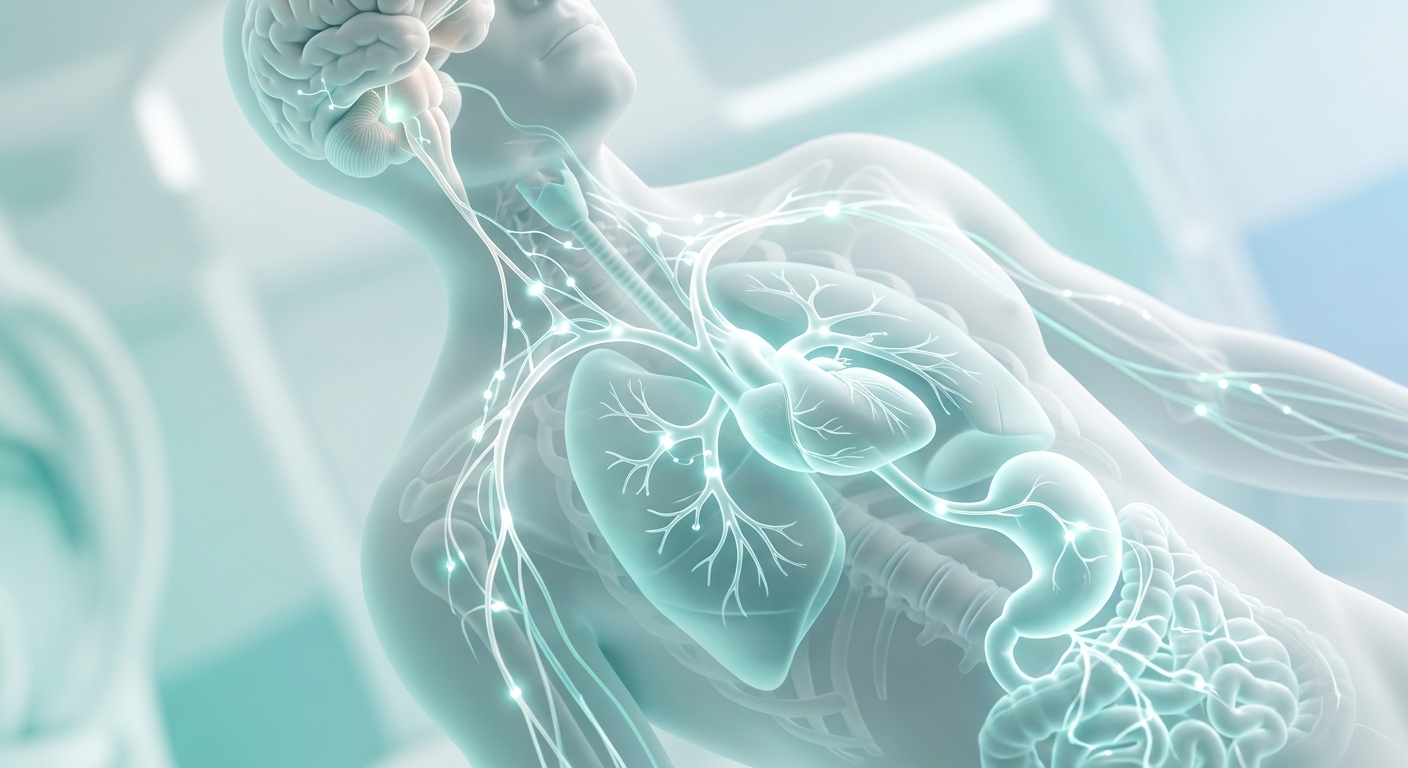
Unlike antidepressants that target neurotransmitters directly, VNS works through the nervous system's communication pathways:
- Afferent signals: Stimulation travels TO the brain via sensory fibers
- Nucleus tractus solitarius: Signals reach this brainstem control center
- Amygdala modulation: Affects emotion processing centers
- Hypothalamus regulation: Balances stress hormone production
- VTA activation: Stimulates the brain's reward and pleasure centers
- Neurotransmitter effects: Modulates serotonin and norepinephrine systems
- Inflammation reduction: Addresses the inflammation-depression link
The result: a comprehensive neurological reset that addresses multiple depression pathways simultaneously.
The Accidental Discovery
VNS was originally developed and approved for epilepsy in 1997. But researchers noticed something unexpected during clinical trials—patients were reporting improved mood even when their seizures continued.
Some patients refused to have their devices removed, saying things like "it makes me feel good" and "I don't want to go back to how I was."
This led to dedicated depression studies, and in 2005, the FDA approved VNS specifically for treatment-resistant depression—the first new treatment approach in decades for this population.
What the Research Shows: 2024 Update
A 2024 CNN Health report highlighted new research showing significant results in patients with highly treatment-resistant depression:
- 50-60% response rate in patients who failed 4+ antidepressants
- Benefits accumulate over time (unlike medications)
- Full effects may take 12+ months to manifest
- Most effective when combined with antidepressants and psychotherapy
The timeline is different from medications—VNS requires patience. But for people who've exhausted other options, the wait can be worth it.
What to Expect: The VNS Timeline
Month 1-3: Minimal changes. The stimulation is working at a neurological level, but mood improvements may not be apparent yet.
Month 3-6: Early responders begin noticing changes. Sleep often improves first.
Month 6-12: Significant improvements for many patients. Energy, motivation, and emotional range expand.
Year 1-2: Continued improvement. Many patients report sustained remission.
This slow timeline is actually a feature, not a bug—it suggests VNS is creating genuine neurological changes rather than just masking symptoms.
The Bottom Line: Hope for the Hopeless
Treatment-resistant depression can feel like a life sentence. When you've tried medication after medication with no relief, it's easy to lose hope.
Vagus nerve stimulation offers something different—not a quick fix, but a genuine neurological intervention that can create lasting change. The 50-60% response rate means that half of people who've failed everything else can find relief.
If you're struggling with treatment-resistant depression, talk to your psychiatrist about VNS. It might be the option you've been waiting for.
Help resources: If you're in crisis, call or text 988 for the Suicide and Crisis Lifeline. Available 24/7, free and confidential.